
Essential Steps for Keeping Your Vehicle on the Road Longer
Ensuring your vehicle remains reliable and efficient over the years requires consistent care, smart habits, and timely attention to key areas of maintenance. Modern cars are designed to last longer than ever, but neglecting their fundamental upkeep can shorten their lifespan and cost you thousands in repairs. By adhering to a structured maintenance routine and seeking expert support when unsure, you can significantly extend your car’s lifespan, boost performance, and minimize the risk of unexpected breakdowns. For comprehensive vehicle maintenance services, consider Matt Blatt Tire And Auto, a trusted automotive repair center located at 1210 Delsea Drive North in Glassboro, NJ. Boasting over 32 years of experience in the industry, they offer a wide range of services from routine tire sales and installations to brake repairs and preventive maintenance inspections. Matt Blatt Tire and Auto proudly serves Glassboro and the surrounding region, helping area drivers keep their vehicles on the road longer and safer.
Also Read: Why Roof Maintenance is Crucial for Sarasota Homes: Florida Guide
Regular Oil Changes
Oil is the lifeblood of your engine, lubricating moving parts, minimizing friction, and reducing the wear that occurs as components interact over time. Over time, however, oil becomes contaminated with dust, metal shavings, and combustion byproducts, making it less effective at protecting the engine’s internals. Old oil can break down, leading to sludge buildup, which restricts proper flow and increases the risk of overheating or part failure. It’s advisable to change your oil every 5,000 to 7,500 miles, depending on your vehicle’s specifications, age, and driving habits. For example, frequent short trips or extreme weather conditions may require more frequent changes. Neglecting oil changes is one of the most common reasons for engine problems, and can result in costly repairs or even engine failure. Staying on top of your oil change schedule helps your engine operate at peak efficiency, saves fuel, and preserves overall reliability.
Monitor Fluid Levels
Beyond oil, your vehicle relies on a system of specialized fluids to operate properly, each performing a distinct yet critical role. If these fluids drop below recommended levels or become too old, their ability to protect various systems diminishes, increasing the likelihood of mechanical issues or part failure. Here are some of the most important fluids to monitor:
- Brake Fluid: Ensures responsive and safe braking by transmitting the force from your pedal to the brakes themselves. Low or contaminated brake fluid can compromise stopping power and safety.
- Coolant/Antifreeze: Keeps your engine at an optimal operating temperature, preventing both overheating during summer and freezing in winter. Insufficient coolant can quickly lead to severe engine damage.
- Transmission Fluid: Lubricates gears, enabling smooth gear shifts and preventing premature wear in both automatic and manual transmissions. Low or dirty transmission fluid may cause shifting issues, slipping, or transmission failure.
- Power Steering Fluid: Makes steering effortless and responsive, particularly at low speeds. A drop in fluid level or contamination may cause stiff or noisy steering and could damage components over time.
It’s best to check these fluids regularly—monthly, or before embarking on a long road trip—and top them off or replace them as outlined in your owner’s manual. Proper fluid maintenance not only enhances performance but also helps avoid expensive repairs such as engine overheating or brake system failure. For instance, maintaining proper coolant levels is imperative to avoid engine overheating, especially during periods of extreme heat or cold.
Tire Maintenance
Tires form your vehicle’s only connection to the road, making their condition vital for both safety and efficiency. Proper tire maintenance improves traction, handling, and braking, while also maximizing fuel efficiency. Begin by regularly inspecting tire pressure; incorrect pressure leads to reduced tread life, uneven wear, a higher risk of blowouts, and diminished fuel economy. Under-inflated tires create extra drag, which forces your engine to work harder, while over-inflated tires can make the ride harsh and cause the center tread to wear prematurely. Check tire tread depth at least seasonally and replace tires before they become legally or functionally worn-out to maintain good grip—critical in wet, icy, or slippery conditions. Keep an eye on wheel alignment and balance, as misaligned wheels result in uneven wear and reduce tire longevity. Rotating your tires every 5,000 to 8,000 miles ensures even wear, balances out the forces exerted on each tire, and helps avoid the early replacement of any single tire. Such proactive habits will also lead to smoother and safer journeys throughout the year.
Brake System Checks
A safe vehicle relies heavily on the condition of its brakes. Effective brakes can mean the difference between a safe stop and a potential accident, especially in emergencies. Pay attention to any unusual signs such as squeaking, grinding, or vibrating—it may signal worn brake pads or failing components. Brakes should be inspected by a professional every 10,000 to 15,000 miles, but also anytime you suspect something may be wrong. Regular inspections can catch problems like worn pads, warped rotors, or low brake fluid before they escalate. Prompt attention to brake issues not only preserves your safety but also helps you avoid more extensive and expensive repairs, such as replacing calipers or the entire braking system. Don’t wait until your brakes fail to seek professional care.
Battery Care
A well-maintained battery is crucial for reliable starts and provides power to your vehicle’s electronics—from headlights to navigation. Inspect the battery terminals for corrosion, which appears as a white or bluish powder and can interfere with electrical current. Cleaning corroded terminals with a mix of baking soda and water, or having a technician address the issue, is a simple way to maintain strong connections. Most vehicle batteries have a lifespan of 3 to 5 years; however, harsh weather and frequent short trips can significantly shorten this period. After three years, have your battery tested annually to assess its remaining power and replace it before it fails. In colder climates, weak batteries are particularly prone to failure, leading to inconvenient or even dangerous breakdowns. Regular battery maintenance is an inexpensive way to ensure your vehicle starts when you need it and helps you avoid being stranded.
Cleaning and Waxing
Keeping your vehicle clean isn’t just about aesthetics—it’s critical for protecting the bodywork and underlying metal from damage. Road salt, mud, tree sap, and bird droppings can all cause paint deterioration and accelerate the formation of rust, particularly on vehicles exposed to harsh winters or salt-laden coastal air. Wash your car every two to three weeks, and more frequently if driving in particularly dirty or hazardous conditions. Applying wax at least twice a year forms a protective barrier against UV rays, contaminants, and moisture, preserving the car’s paint and shine. Regular washing and waxing not only keep your vehicle looking new but also help preserve its value, which is especially important if you plan to sell or trade in your car in the future. Consistent exterior care can be one of the most cost-effective ways to extend the life of your vehicle’s body and finish.
Address Warning Lights Promptly
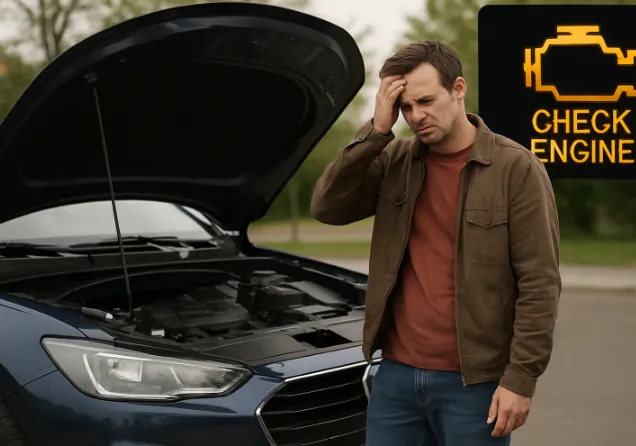
Dashboard warning lights are your vehicle’s first alert system, indicating that something needs immediate attention. Ignoring these lights can allow small issues to escalate into severe failures. For example, a “check engine” light may be triggered by problems as simple as a loose gas cap or as serious as engine misfires, which could lead to major repairs if delayed. Other warning lights, such as those related to the brakes or transmission, require prompt professional diagnosis and intervention. As soon as a warning light illuminates, check your owner’s manual, then consult a professional mechanic. Quick action may help you avoid inconvenience, maintain safety, and prevent far more costly repairs than if the issue is left unchecked.
Routine Professional Inspections
While regular at-home checks are essential, routine professional inspections offer a comprehensive evaluation of your car’s health by trained experts. Certified technicians can spot issues that may be missed during DIY maintenance, such as unusual tire wear, hidden leaks, or failing suspension components. By establishing a relationship with a trusted auto service center like Matt Blatt Tire And Auto, you ensure your vehicle receives expert attention, timely software updates, and access to genuine replacement parts. Comprehensive multi-point inspections help identify and resolve minor issues before they become major problems, giving you peace of mind and enabling you to plan for future maintenance efficiently. Thorough periodic professional care helps keep your car safe, maintains performance, and can significantly increase the resale value of your investment over time.
By adhering to these essential maintenance practices and enlisting professional help when needed, you can enjoy the benefits of a reliable, safe, and efficient vehicle for years to come. Regular care not only enhances your safety and comfort behind the wheel but also preserves the value of your investment, ensuring your vehicle remains a dependable companion on the road.