Why Regular Filter Changes Matter and How Often to Change Them
Regular filter changes may seem like a small part of maintaining your heating and cooling system, but they play a far greater role in your home’s comfort and indoor air quality than many people realize. A clean filter helps your system run smoothly, reduces unnecessary strain, and supports healthier airflow throughout your living space. When filters go too long without being replaced, dust, debris, allergens, and other particles accumulate, restricting airflow. This makes your system work harder than it should, increasing energy use and lowering overall comfort. We will explore why this simple maintenance step matters so much and how to determine the right replacement schedule for your specific home, lifestyle, and equipment so you can maintain dependable performance year-round without complicated upkeep or confusion.
Also Read: Safeguarding Riders: Legal & Safety Insights for Rideshare Accidents
Why Filter Changes Matter and How Often You Should Replace Them
- Improved Airflow That Supports System Efficiency
One of the most noticeable benefits of regular filter changes is improved airflow, which directly affects how efficiently your heating and cooling system operates. When a filter becomes clogged, the blower motor must work harder to push air through the buildup of dust and particles that collect over time. This added strain not only reduces comfort inside your home but also increases the likelihood of uneven heating or cooling throughout different rooms. Maintaining a steady flow of air allows your equipment to perform at a calmer pace, resulting in smoother operation and fewer unnecessary cycles that can drive up energy usage, especially when homeowners rely on top-rated heating repair in Summerlin during peak seasons.
In many homes, people do not realize how much a clogged filter is affecting their comfort until they replace it and immediately notice the difference in airflow. Regular changes help keep the system functioning as it was meant to, reducing wear that can lead to repairs. When paired with routine maintenance from trusted heating and cooling teams in Summerlin, NV, this simple habit protects both your comfort and your system’s performance.
- Healthier Indoor Air Quality for Your Home
Indoor air quality is often overlooked, yet it plays a major role in how you feel daily. Your filter is the first line of defense against dust, pollen, pet dander, and other airborne irritants circulating inside your home. When the filter is clean, it captures these particles before they cycle through the ducts and back into your living areas. However, as the filter fills with trapped particles, it becomes less effective and eventually allows many of them to pass through. For individuals with allergies, asthma, or sensitivities to pollutants, this can quickly lead to discomfort and breathing difficulties. Even for those without sensitivities, poor indoor air quality can contribute to fatigue and dryness.
Regular filter changes help you maintain a fresher and more comfortable environment. How often you need to change the filter depends on several factors, such as whether you have pets, how frequently your system runs, and the type of filter you’re using. Homes with pets may require more frequent changes due to fur and dander. By keeping up with replacements, you prevent unnecessary accumulation and support cleaner airflow.
- Protecting Your System and Reducing Unnecessary Wear
Your heating and cooling system is one of the most important pieces of equipment in your home, and protecting it should always be a priority. A clogged filter can cause your system to overheat by restricting airflow, making it difficult for your equipment to maintain the correct temperature. Over time, this strain accelerates wear on internal components, potentially requiring repairs that could have been avoided with consistent filter changes. Keeping your filter fresh helps the system operate smoothly, without fighting the resistance caused by trapped debris. This simple routine reduces pressure on motors and other key components, helping extend the lifespan of the entire system.
Additionally, systems with clean filters are less likely to freeze during cooling mode or cycle unnecessarily during heating mode. Both issues tend to occur when airflow is restricted. Many homeowners underestimate how much a small part, like a filter, affects the overall health of their equipment. Still, regular replacements provide ongoing protection and help maintain stable performance year-round.
- Determining the Right Replacement Schedule for Your Home
Many homeowners wonder exactly how often they should replace their filters, and the answer varies depending on lifestyle, home conditions, and the type of filter being used. As a general guideline, standard one-inch filters often need to be replaced every 30 to 60 days, especially in homes with high activity or pets. Thicker filters, such as four-inch or five-inch versions, may last between three and six months, depending on their material and MERV rating. If you live in a dusty environment or run your system more frequently during extreme seasons, replacement may be needed more often.
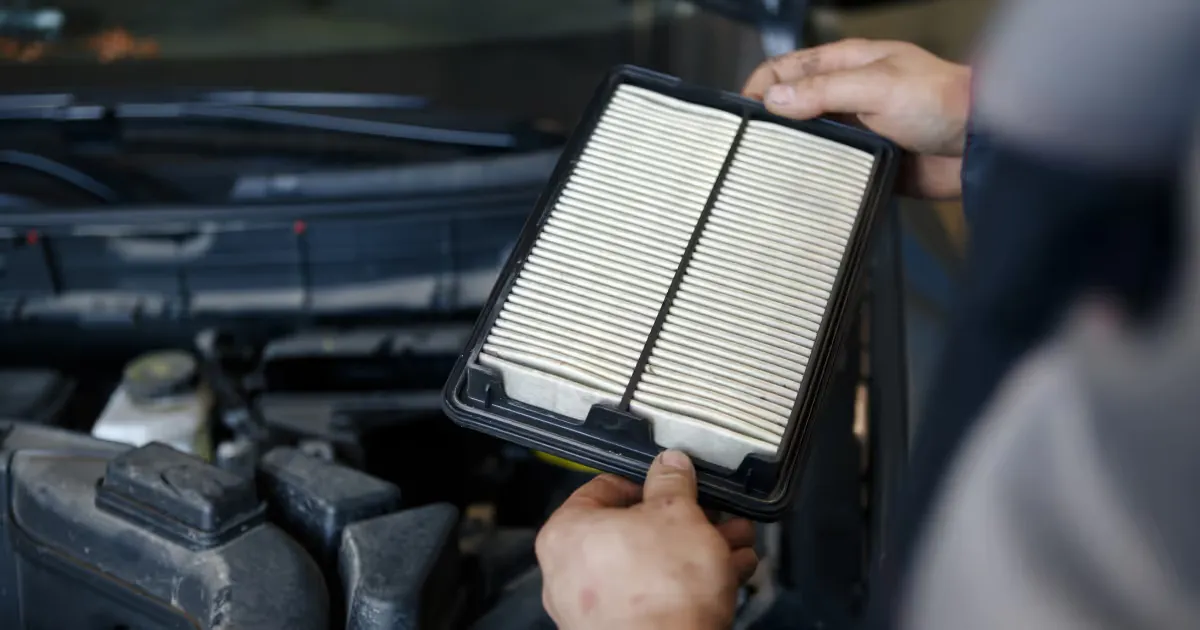
Monitoring the appearance of your filter is one of the simplest ways to judge whether it’s time for a new one. If you can no longer see the filter material beneath a layer of dust or if the airflow from your vents seems weaker than usual, it is a strong sign that replacement is overdue. For support and guidance, many homeowners rely on HVAC professionals from well-known service providers, who can help determine the ideal schedule based on your home’s unique needs.
Understanding the value of regular filter changes helps you maintain a more comfortable, efficient, and healthy home environment without complicated upkeep. A simple replacement schedule can significantly reduce strain on your heating and cooling system, boost airflow, improve indoor air quality, and prevent avoidable repairs. Filters play a far more important role than many homeowners assume, affecting everything from daily comfort to energy use. By staying consistent with replacements and accounting for factors like home activity, pets, and seasonal use, you can create a maintenance routine that keeps your system performing smoothly all year long.