What Every Homeowner Should Know Before Installing a New HVAC System
Installing a new HVAC system is one of the most significant investments a homeowner can make, and understanding what to expect before the project begins can prevent unnecessary stress, unexpected expenses, and long-term problems. A well-planned installation protects your home’s comfort, energy efficiency, and daily functionality. We will explore the essential factors every homeowner should understand before committing to a new heating and cooling system, ensuring decisions reflect long-term value and suit the property’s unique needs. With clear expectations in place, you can approach the installation process confidently and create a lasting improvement in your home’s indoor environment.
Also Read: How Drug Crime Lawyers Defend Clients Facing Possession Charges?
Key Considerations Before Installing Your HVAC System
- Evaluate Your Home’s Heating and Cooling Needs Thoroughly
Before moving forward with an HVAC installation, it’s important to understand your home’s specific heating and cooling needs. Factors such as square footage, insulation quality, ceiling height, number of windows, regional climate, and existing ductwork all impact the type and size of HVAC system required. Installing a system that is too large can cause short cycling, which leads to uneven temperatures and unnecessary wear on internal components. On the other hand, an undersized system may struggle to maintain comfort and run excessively, driving up energy costs. A proper load calculation, often called a Manual J calculation, provides accurate insights and prevents the pitfalls of guesswork. Many homeowners also begin their search with terms like reliable HVAC service near me to find trusted guidance during this stage, ensuring they make decisions based on accurate assessments. By identifying your home’s true comfort needs from the start, you can ensure balanced air distribution, steady temperature control, and improved long-term performance from your new investment.
Homeowners often underestimate the importance of local climate variations when selecting a new climate control unit for their property. While a high SEER rating indicates energy efficiency, the actual performance depends heavily on the quality of the initial setup and seasonal demands. Choosing a professional experienced in hvac concord ensures that the specific humidity levels and temperature fluctuations of the region are factored into the equipment’s calibration. This precise alignment between the system’s capacity and the home’s square footage prevents short-cycling and unnecessary wear on the compressor. Taking the time to verify these technical details before the final installation helps maintain a consistent indoor environment while keeping monthly utility expenses manageable throughout the year.
- Understand Energy Efficiency Ratings and Long-Term Savings
Energy efficiency is one of the most influential factors in HVAC selection, and understanding efficiency ratings helps you make an informed decision that benefits both comfort and operating costs. Systems are typically rated using SEER2 for cooling and AFUE for heating, providing measurable insights into the energy required to operate. Although a higher-efficiency system may cost more initially, the long-term savings in utility bills often outweigh the upfront expense. Beyond cost savings, efficient systems typically provide quieter operation, better humidity control, and improved temperature consistency. Another consideration is whether your home would benefit from newer technologies like variable-speed compressors or smart thermostats, which further enhance efficiency. By reviewing these ratings and technology options, homeowners can better anticipate monthly operating costs and long-term value, making the installation more of an investment rather than just a home improvement project.
Selecting the right size for a new unit is a technical process that involves more than just matching the square footage of your home. Professionals often use detailed load calculations to ensure the equipment can handle the specific climate demands of your region without short-cycling. Companies like Aloha Air Conditioning emphasize that an oversized system often leads to high humidity and increased wear on internal components. By prioritizing a precision fit and modern efficiency ratings, you can avoid the common pitfalls of a rushed installation. This careful planning ultimately safeguards your investment, providing consistent comfort and lower monthly utility expenses for years to come.
- Review Your Existing Ductwork and Ventilation Setup
Many homeowners overlook the condition of their ductwork during HVAC installation, yet ducts play a major role in system performance, indoor air quality, and home comfort. If ducts are leaking, blocked, poorly routed, or incorrectly sized, even the newest HVAC system cannot operate efficiently. Leaky ducts lead to energy loss, temperature inconsistencies, and added strain on the system, ultimately increasing utility expenses. Before installation, it is wise to have the ducts inspected for damage, airflow restrictions, and cleanliness. Adjustments such as sealing leaks, adding insulation, resizing certain sections, or improving return air pathways may be necessary. These steps help ensure balanced airflow and smoother operation of the new system. By addressing duct concerns early, homeowners avoid the frustration of installing new equipment only to experience preventable comfort issues afterward.
- Consider Installation Location, Accessibility, and Noise Levels
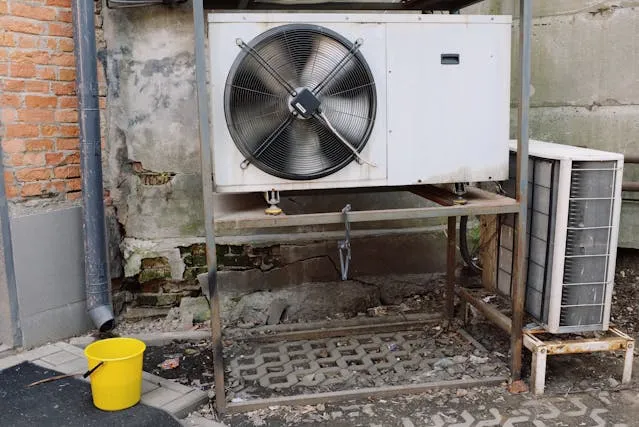
Where your HVAC equipment is installed affects performance, maintenance, and day-to-day comfort. Outdoor units should be placed in an area that allows proper airflow and is protected from debris, clutter, and direct heat exposure. Indoor components, such as air handlers or furnaces, require enough space for technicians to perform maintenance and repairs without obstruction. Noise is another factor to consider. While modern systems are generally quieter, installing equipment too close to bedrooms, living spaces, or quiet outdoor areas may still create unwanted sound. Additionally, homeowners should consider how placement affects system longevity. Areas prone to flooding, extreme temperatures, or poor ventilation may shorten the equipment’s lifespan. Taking time to evaluate installation locations ensures reliable performance and makes upkeep easier throughout the life of the system.
- Plan for Proper Budgeting, Maintenance, and Long-Term Care
The cost of a new HVAC installation extends beyond the price of the equipment. Homeowners should plan for potential duct upgrades, electrical enhancements, installation labor, thermostat upgrades, and possible permit requirements depending on local regulations. Considering long-term maintenance needs is equally important, as regular care is required to preserve efficiency and prevent breakdowns. Seasonal tune-ups, filter changes, airflow checks, and inspections ensure that the system operates at full capability. Some homeowners also opt for maintenance plans to simplify upkeep and prevent service delays. Budgeting not only for the installation but also for ongoing care ensures that the system remains reliable and energy-efficient throughout its life. By preparing for these long-term responsibilities, homeowners gain a clear understanding of what it means to own a high-quality HVAC system and maintain year-round comfort.
Installing a new HVAC system is far more than just selecting new equipment; it requires thoughtful evaluation, planning, and understanding of how each component influences your home’s comfort and energy use. By considering factors such as heating and cooling needs, efficiency ratings, duct quality, installation placement, and long-term care, homeowners set themselves up for a successful, stress-free experience. With the right preparation and a clear vision of what your home requires, you can enjoy dependable comfort and consistent indoor air quality for many years to come.