Quiet Neighborhood Transformation Nobody’s Talking About
Something interesting is happening in suburban streets across Australia. Between the weatherboard cottages and modern townhouses, a new type of residence is appearing. They look like any other contemporary home, but they’re quietly changing how entire communities think about disability, independence, and belonging.
Also Read: The Invisible Odometer: Why Are Your Low-Mileage Trucks Dying Young?
When Different Becomes Normal
For decades, people with significant disabilities lived in group homes or institutional settings, separated from mainstream residential areas. That separation reinforced an us-versus-them mentality that limited opportunities for genuine community integration.
The shift toward purpose-built accessible housing in regular neighborhoods is dismantling those invisible walls. Residents aren’t visitors or charity cases. They’re neighbors who attend local cafes, shop at nearby stores, and participate in community events.
This proximity matters more than policy documents can capture. Children growing up on these streets see disability as a normal part of their neighborhood landscape. They wave to residents, chat over fences, and develop relationships that aren’t mediated by pity or discomfort.
The Business Case for Inclusion
Local businesses are discovering an unexpected benefit. SDA housing residents are customers with disposable income and strong loyalty to nearby establishments that welcome them. Cafes that install ramps find they’re also attracting elderly customers and parents with prams. Grocery stores that train staff in disability awareness see increased patronage from multiple demographics.
This economic dimension challenges the outdated assumption that disability accommodation devalues surrounding properties. Research increasingly shows the opposite: well-designed accessible housing enhances neighborhood amenity by encouraging universal design principles and community diversity.
Changing the Support Worker Equation
Traditional group homes concentrated support workers in single locations. The new model distributes them throughout communities, creating local employment opportunities and increasing the number of trained disability support professionals in each area.
This distribution has unexpected benefits during emergencies. Recent floods and bushfires demonstrated how embedded support networks respond more effectively than centralized systems. Support workers living and working locally have intimate knowledge of evacuation routes, community resources, and individual needs.
The Social Infrastructure Nobody Planned
Perhaps the most surprising transformation is happening in informal community networks. Neighbors who initially felt uncertain about how to interact with disabled residents are forming genuine friendships based on shared interests rather than disability labels.
Book clubs, gardening groups, and sports watching gatherings increasingly include people with diverse abilities. These aren’t special inclusion programs but organic social connections that emerge when people live in close proximity and have opportunities for regular interaction.
Architecture That Invites Connection
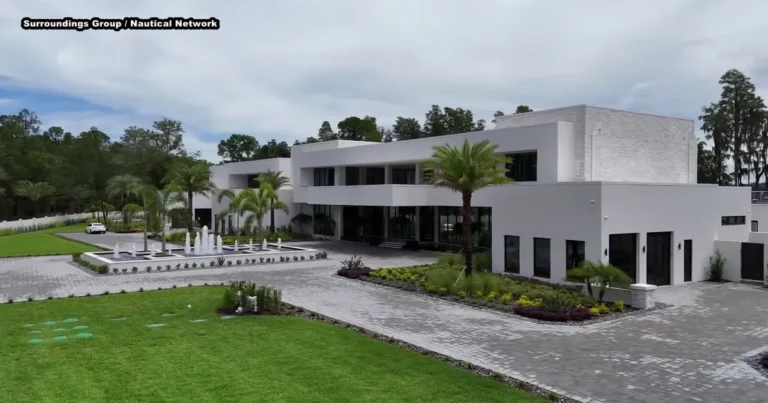
The physical design of these homes plays a crucial role. Unlike institutional buildings set back from streets with limited street-facing windows, contemporary accessible housing features welcoming front porches, visible living spaces, and landscaping that encourages casual conversation with passersby.
This architectural openness signals that residents are part of the neighborhood fabric, not apart from it. The message is subtle but powerful: this is someone’s home, not a facility.
What Comes Next
As more communities experience this quiet transformation, resistance to accessible housing developments is declining. Neighbors who once worried about property values or increased traffic are discovering that their concerns were unfounded.
The real story isn’t about special accommodation or charitable housing projects. It’s about recognizing that diverse communities are stronger, more resilient, and more interesting than homogeneous ones. The neighborhood transformation happening across Australia isn’t just changing where people with disabilities live. It’s changing how we all think about community, belonging, and what makes a neighborhood thrive.