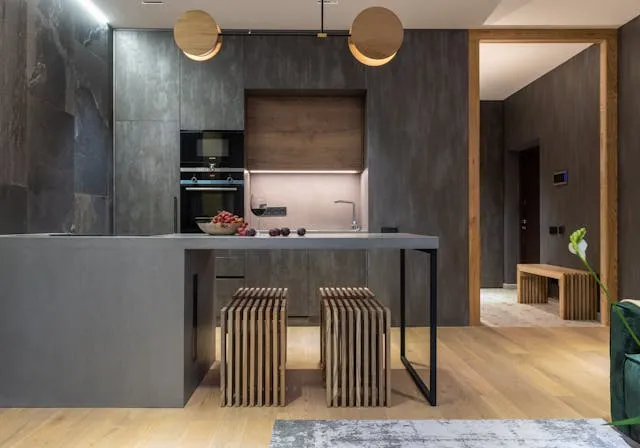
Do Industrial Bar Stools Fit Any Kitchen Style?
Industrial bar stools are everywhere right now. You see them in design magazines, on Instagram, in trendy coffee shops. They look cool in those perfectly styled spaces. But here’s what you’re actually wondering: will these metal stools with their utilitarian aesthetic look ridiculous in your traditional colonial kitchen? Or your cozy farmhouse? Or your boring builder-grade suburban home?
Also Read: How to Get the Right Storage Unit in Houston For Your Needs
The industrial style feels very specific. Raw metal. Exposed welds. Distressed finishes. It seems like these stools only work in loft apartments or ultra-modern spaces. You love how they look in photos but worry they’ll clash with your home’s existing style. Before you buy industrial bar stools that might feel wrong in your actual space, you need to understand when this aesthetic works and when it fights against everything else in your room.
Why Industrial Stools Feel So Specific
The Factory Heritage
Industrial furniture comes from actual factories and workshops. Original pieces were functional, not decorative. They needed to be tough, stackable, easy to clean, and cheap to replace. Beauty was completely irrelevant. This utilitarian origin gives industrial furniture its distinctive character: honest materials, visible construction, zero ornamentation.
This aesthetic feels very different from traditional furniture styles that hide construction, add decorative elements, and use warm woods and fabrics. Industrial pieces celebrate what other styles conceal. That’s why mixing them into non-industrial spaces feels risky.
The Modern Association
Over the past 15 years, industrial style has become closely associated with modern and contemporary design. Loft conversions, open floor plans, exposed brick, and concrete counters. These environments feel like natural homes for industrial furniture. The styles speak the same language.
This association makes people assume industrial furniture can’t work elsewhere. If your home doesn’t look like a converted warehouse, industrial pieces must be wrong. Right?
When Industrial Stools Actually Work Anywhere
Here’s the truth: good industrial bar stools are remarkably versatile. They work in more environments than you’d expect. The key is understanding what makes them adaptable versus what makes them clash.
The Neutral Metal Factor
Metal itself is pretty neutral. It doesn’t read as particularly modern or traditional. Metal furniture has existed for over a century across many design periods. Art Deco used chrome. Mid-century modern used steel and aluminum. Even Victorian homes had metal furniture.
What makes industrial stools feel modern is often the styling details, not the metal itself. Simple, clean-lined metal stools in classic finishes can blend into traditional spaces surprisingly well. They provide visual contrast without creating conflict.
They Fill the “Casual Seating” Niche
Most homes need some casual, durable seating that doesn’t try to match formal furniture. Industrial stools fill this role perfectly. Your grandmother’s formal dining chairs need careful matching. Your counter stools? They can be more utilitarian, and it feels appropriate.
This functional permission makes industrial stools work even in traditional homes. They’re not trying to be formal furniture. They’re clearly casual, practical pieces. That honesty lets them coexist with very different formal furniture elsewhere.
Where Industrial Stools Create Problems
Ultra-Feminine Spaces
Industrial stools struggle in very feminine, soft, romantic spaces. French country kitchens with floral fabrics, ornate moldings, and pastel colors. Shabby chic rooms with ruffles and distressed painted furniture. Spaces that emphasize softness, curves, and decorative detail.
The hard edges and raw materials of industrial stools fight against these aesthetics rather than complementing them. It’s possible to make it work with a very careful selection. But it’s swimming against the current.
Highly Ornate Traditional
Formal traditional spaces with elaborate crown molding, crystal chandeliers, and heavy carved furniture also resist industrial stools. The aesthetic gap is just too wide. Industrial furniture’s whole point is rejecting ornamentation. Traditional furniture’s whole point is celebrating it.
Trying to bridge this gap usually results in furniture that looks out of place in both directions.
Making Industrial Stools Work in Mixed Styles
Choose Refined Industrial
Industrial furniture ranges from rough and rustic to sleek and refined. Rough industrial with heavy distressing and obvious welds feels very specific. Refined industrial with clean lines, smooth finishes, and subtle details adapts more easily to different spaces.
For non-industrial homes, lean toward the refined end of the spectrum. You still get the industrial character without the “salvaged from a factory” intensity that clashes with other styles.
Use Finish as a Bridge
The metal finish you choose dramatically affects how industrial stools integrate with other styles. Matte black feels contemporary and graphic. It can work in modern or transitional spaces but struggles in traditional environments. Brushed nickel or polished chrome feels cleaner and more formal. Bronze or copper finishes add warmth that helps industrial pieces feel less cold in traditional spaces.
Wood seats on metal frames provide another bridge element. The wood softens the industrial aesthetic and creates a visual connection with wood cabinets, floors, or furniture elsewhere in the space.
Getting the Mix Right
Working with furniture specialists like Seats and Stools, who understand how different styles interact, helps you choose industrial stools that will actually work in your specific space rather than fight against it. They’ve seen what succeeds and what fails across diverse home styles.
The verdict: Industrial bar stools aren’t only for modern spaces. They work in many environments when you choose refined versions with appropriate finishes and understand the limits of where the aesthetic clashes too dramatically to reconcile.