
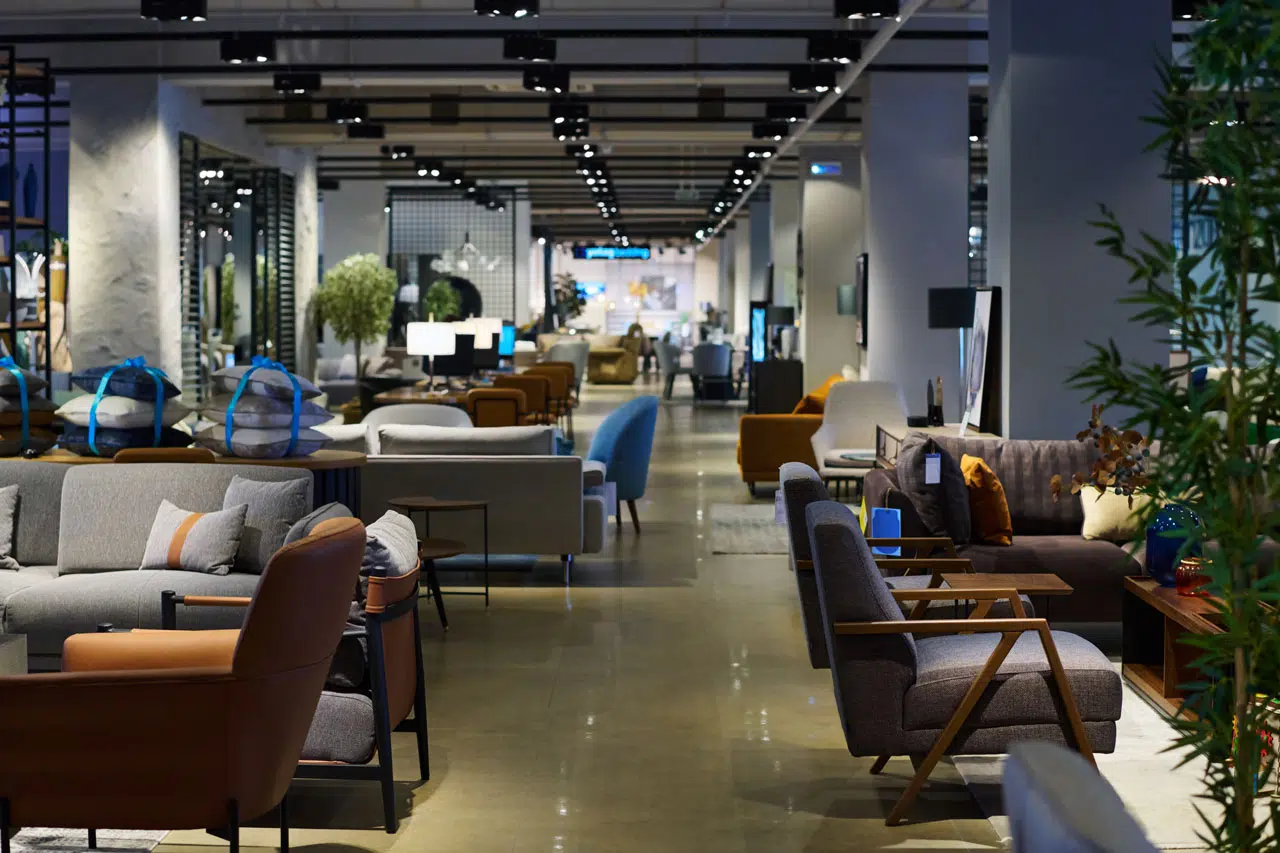
Visiting a Furniture Showroom Dandenong for Inspiration
Walking into a furniture showroom Dandenong when you’re not even sure what you want can actually be the best approach. You’re not locked into buying mode, so you notice things differently. Design inspiration works better when you’re just observing how pieces interact with each other, how color palettes create mood, and which functional elements solve everyday problems you didn’t realize you had. Interior designers often visit showrooms specifically for this reason, to see how manufacturers are interpreting current trends and solving spatial challenges. The key is knowing what to pay attention to beyond just whether something looks pretty, because showroom styling involves layers of intentional choices that translate into real usability once you understand them.
Color Theory in Action
Showrooms are basically masterclasses in color relationships if you know what to look for. Designers use the 60-30-10 rule pretty consistently, 60% dominant color (usually walls or large furniture), 30% secondary color (accent chairs, rugs), and 10% pop color (cushions, artwork). This creates visual balance without overwhelming your eye.
Pay attention to undertones too. A grey sofa might read warm or cool depending on whether it has beige or blue undertones, and this affects what colors you can pair it with. Showrooms usually group pieces with compatible undertones together, which is why everything looks so cohesive. If you’re photographing pieces you like, take shots of the full vignette to capture these relationships.
Lighting temperature also changes everything. Most showrooms use 3000K to 4000K bulbs, which is warmer than typical retail but cooler than old incandescent bulbs. That burgundy leather might look totally different under your home’s LED lighting, so factor that in.
Functional Details Worth Noting
Look beyond aesthetics and examine how pieces actually work. Storage solutions are huge, like ottomans with hidden compartments or coffee tables with lift-top mechanisms. These aren’t just gimmicks, studies on home organization show that integrated storage reduces clutter perception by up to 45%.
Check out how modular furniture connects. Quality sectionals use hidden brackets or interlocking clips rather than just pushing pieces together. This matters if you ever rearrange your space or move houses. Same with extendable dining tables, the mechanism should feel solid, not wobbly.
Cable management is another thing showrooms sometimes showcase. Entertainment units with built-in cord routing or desks with grommet holes might seem minor but they make a massive difference in daily use. Count how many devices you actually plug in and see if furniture accommodates that.
Material Combinations and Longevity Clues
Showrooms mix materials intentionally, and these pairings teach you what works long-term. Wood and metal combinations became popular because they balance warmth with durability. But not all woods pair equally well, oak has strong grain that can clash with busy metal patterns, while walnut’s subtler grain plays nicer.
Watch for material transitions too. Quality pieces have thoughtful joins where wood meets upholstery or metal meets glass. Exposed staples or rough edges indicate cost-cutting. Run your hand along seams and undersides, that’s where construction quality shows.
Fabric and leather pairings matter for maintenance. A showroom might pair a leather sofa with fabric accent chairs, which makes sense because leather cleans easier in high-traffic areas while fabric adds textural variety in less-used spots.
Spatial Flow and Traffic Patterns
Notice how showrooms arrange furniture to create pathways. There’s usually 90 to 120cm between major pieces for comfortable movement. This isn’t arbitrary, research on proxemics (personal space psychology) shows people feel cramped with less clearance.
Also observe furniture heights relative to each other. Coffee tables typically sit 40 to 45cm high, which aligns with standard sofa seat heights of 45 to 50cm. Getting these relationships wrong makes rooms feel awkward even if individual pieces are nice.