
What Design Choices Make Custom Homes Feel Expensive Without Actually Increasing The Budget?
A home doesn’t have to be backed by an unlimited budget to look refined, intentional, and high-end. Many a jaw-dropping custom home realizes its level-up look through savvy design choices instead of costly upgrades. Homeowners are able to have the best of both worlds by making smart space planning, finishes, lighting, and storage decisions, and ultimately creating areas that feel luxurious without running the bottom line through the roof. It’s a matter of knowing which designs exert the greatest visual and functional influence.
Prioritizing Layout Efficiency Over Square Footage
One of the easiest ways to get custom homes to feel “high end” is with a well-designed floor plan. A well thought out floor plan can make a small house feel bigger, brighter and more inviting than a large one that doesn’t flow well. Long sight lines, logical room adjacencies, and eliminating wasted space go a long way to creating a feeling of quality.
Luxury homes also tend to feel easy because the rooms are the “right size” for what they’re used for. Skipping hallways and giant foyers or formal rooms that never get used, custom homes can better allocate that square footage to where it matters most: kitchens, family rooms, or master suites. In practice that enriches everyday living at no extra cost.”
Using Finishes Strategically Instead of Everywhere
Luxury is generally associated with some sort of high-end finishes, but covering an entire house in high-end materials can get expensive. The Colorado-based builder strikes a balance in his custom homes between applying finishing touches where the eye immediately rests. For instance, opting for high-end countertops in the kitchen and a more basic design in a secondary bathroom can really shoot perceived value through the roof.
There’s also consistency to consider. When finishes are consistent rather than haphazardly thrown together, custom homes develop an intentionality and sense of design with which they are endowed. Neutral color palettes, clean lines and repeated use of materials all enhance a calm and collected, sophisticated environment — even when the individual components have been sourced on a budget.
Elevating Spaces With Thoughtful Lighting Design
Illuminate is what many custom home design tool is overlooked or under appreciate, but it can make a space feel more expensive in a blink of an eye. Layered lighting, which means using ambient, task and accent light sources can bring depth and give you more flexibility without increasing the cost too much.
Strategically placed lighting showcases architectural details and finishes and increases usability. Small touches like dimmers, warm color temperatures, and cohesive fixture styles make custom homes look polished rather than builder-basic. Lighting design is about location and function and not the cost of the fixture.
Creating Visual Interest Through Ceiling and Wall Details
The right architectural nuances can transform custom homes for the better, without dramatically increasing the cost. Elements such as a few extra inches of ceiling height in the main living areas, modest ceiling treatments, or simple wall paneling, all contribute to the character and perceived value.
Even modest changes, such as aligning door heights or maintaining consistent trim profiles, make custom homes feel cohesive and thoughtfully designed. These details are often more about planning than spending and can be incorporated early with minimal impact on cost.
Smart Storage That Disappears Into the Design
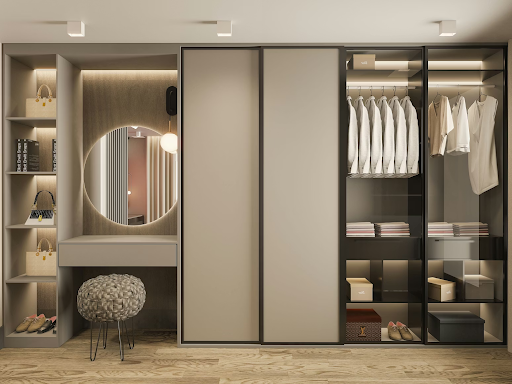
Cluttered spaces make rooms feel smaller and less polished. Fully integrated storage solutions are a sign of high-end custom homes, but they don’t need to be costly. Built-in storage, if well thought out, can be less expensive than extra large rooms designed to make up for bad organization.
Storage that hides in walls, under stairs or within cabinetry allows custom homes to feel crisp and open. When every item has a home, the house just feels more purposeful and high-end — no matter what your overall budget.
Focusing on Key Rooms That Set the Tone
There is a difference in how much visual attention each room demands. In a custom home, kitchens, primary baths, and main living spaces tend to set the tone. To focus design attention on these areas tends to pay better dividends than upgrades that are diluted throughout the house.
By adjusting proportions, enhancing lighting, and choosing unified finishes in these zones, custom homes have a high-end look and feel that permeates every other part of the property. Secondary spaces can be left simpler without detracting from the overall effect, I find.
Coordinating Design Decisions Early
Nothing feels accidental in an expensive home. Early coordination of design, materials, and lighting production allows custom homes to avoid last minute compromises that disrupt visual harmony. This coordination also often results in cost savings due to minimized rework and/or elimination of unnecessary upgrades as a result of miscommunication.
Consulting with seasoned custom home builders helps bring design intent into budget scope. When you are making decisions with “the big picture in mind,” you end up with a cohesive feeling space, not something that looks like it was put together on the fly.
Conclusion: Design Intelligence Beats Bigger Budgets
The best luxury custom homes are not the result of throwing money at the project. Rather, they focus on good design (including efficient space planning), finishes, layered lighting and integrated storage. These decisions lead to homes that are considered, well balanced and polished.
With design smarts and not dollar signs, they can create a high-end look that will never go out of style. An expensive-feeling home is seldom defined by how much money was spent—it’s defined by how thoughtfully every decision was made.