
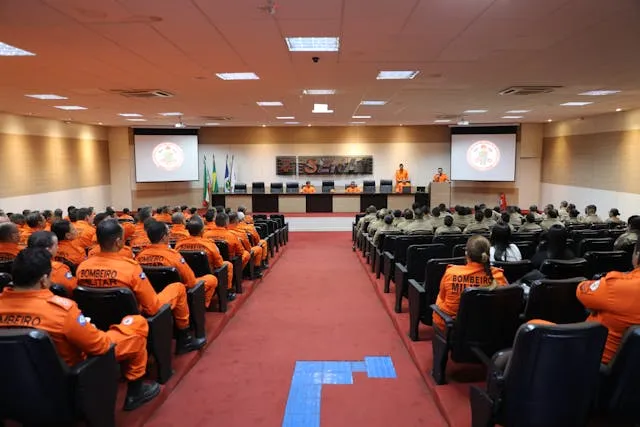
Modern Training Paths in Fire and EMT Careers
The journey into firefighting or emergency medical services (EMS) is increasingly streamlined and diverse, thanks to evolving training frameworks and education models. Aspiring first responders can now access personalized programs made possible by partnerships between educational institutions and emergency services, enabling them to develop the expertise and certifications they need more efficiently than ever before. Leveraging innovative options such as dual-credit courses, hands-on simulation, and online EMT courses, today’s candidates can chart a clear route from classroom to career while still meeting rigorous industry standards.
Also Read: Common Garage Door Problems and How to Spot Them Early
These modern training pathways not only break down traditional barriers to entry but also meet the needs of communities through rapid workforce development and a greater focus on skill mastery. New approaches help reduce time-to-employment, expand access in resource-limited areas, and incorporate the latest technologies. The result is a well-prepared, highly effective new generation of firefighters and EMTs.
High School Career and Technical Education (CTE) Programs
More high schools nationwide are implementing CTE pathways in fire and EMS, offering students the chance to earn industry-recognized certifications before graduation. For example, the Derby Board of Education in Kansas introduced a Fire/EMT CTE Pathway at Derby High School. Here, seniors can complete emergency medical technician coursework during their first semester, then proceed to firefighter training the following semester. This innovative program offers a direct springboard into emergency services, providing participants with a significant head start in their chosen profession.
Beyond certification, these CTE programs develop essential soft skills, including teamwork, stress management, and effective communication. Students graduate with a holistic understanding of first responder demands, ready to join the workforce or pursue further postsecondary education.
Fast-Track Programs for Certified Professionals
To address shortages in emergency services staff, fire departments are pioneering fast-track programs that attract already-certified firefighters. By streamlining hiring processes for trained professionals, these departments can quickly fill urgent vacancies and deploy skilled personnel where needed most. For instance, the Baton Rouge Fire Department allows credentialed candidates to bypass the full six-month recruit academy and instead complete an abbreviated orientation. These experienced applicants receive targeted department-specific training, which accelerates their transition into active duty.
Fast-track hiring helps experienced professionals find opportunities nationwide and ensures fire departments remain fully staffed during times of need. It’s an efficient way to balance rapid hiring with high service standards, while still allowing agencies to onboard staff quickly during periods of high demand.
Integrated Fire Academies in Educational Institutions
Public-private partnerships are establishing integrated fire academies within high schools and colleges, combining academic coursework with vocational, hands-on experience. A standout example is the Fire Academy and EMT Training Program at Creekview High School in Carrollton, Texas, a collaboration between Carrollton Fire Rescue and the Carrollton-Farmers Branch Independent School District. This comprehensive initiative blends classroom learning, professional mentoring, and physical skills development, enabling high school students to qualify for state-level certifications by graduation.
Integrated programs like these expand access to emergency services careers, particularly for students who might not otherwise be able to afford traditional college programs. Additionally, they foster community connection, helping future first responders develop familiarity and trust with their local populations.
Technological Advancements in Training
Modern fire and EMT training programs are leveraging technology to enhance realism and learning retention. Interactive resources such as Virtual Reality (VR) fire safety simulations place trainees in realistic scenarios, allowing for repeated practice in a risk-free environment. These immersive applications build confidence, boost situational awareness, and support faster mastery of critical decision-making skills.
Supplemental training tools, such as online learning management systems and mobile apps, allow learners to study protocols, anatomy, incident command systems, and more at any time and from anywhere. This flexibility helps bridge gaps for rural populations and working adults, making continuous professional development considerably more accessible. Major publications have reported extensively on the growing role of VR in firefighter and EMT education.
National Certification Standards
Consistency and quality in fire and EMS training are upheld through national certification standards. The National Registry of Emergency Medical Technicians (NREMT) tests candidates against rigorous curricula established by the National Highway Traffic Safety Administration (NHTSA). As of 2024, every U.S. state recognizes the NREMT as a pathway to EMS certification, supporting lateral movement for professionals and ensuring that local agencies benefit from a reliably trained workforce.
Similarly, fire service certifications are harmonized through guidelines from the National Fire Protection Association (NFPA). These standards, constantly updated to reflect new research and technology, ensure public safety agencies are always operating at the cutting edge.
Conclusion
The landscape of fire and EMT education is undergoing a rapid transformation, driven by innovative school programs, fast-track certifications, and the adoption of advanced training technology. These modern training paths enhance access, expedite workforce entry, and maintain the highest standards of safety and competency. As more educational organizations and emergency agencies collaborate, the result is a resilient, resourceful, and thoroughly prepared generation of first responders, ready to safeguard communities across the nation.