How to Minimize Downtime During Major Facility Improvements
Executing major facility improvements is essential for staying competitive and boosting operational efficiency. However, businesses often face the challenge of mitigating downtime to prevent productivity from stalling. The right combination of technology and planning will not only protect daily operations but also provide long-term gains.
Also Read: How Desk Chairs Influence Daily Comfort and Work Performance?
Among the most critical success factors are clear communication, predictive monitoring, and a robust approach to maintenance and safety. While every facility faces unique challenges, a structured approach that incorporates stakeholder input, maintains spare part inventories, and leverages digital tools consistently delivers results. For organizations undergoing renovations, preventing workflow interruptions isn’t just about reacting to setbacks; it’s about preparing the environment, people, and systems to weather changes with minimal impact. By strategically planning facility upgrades and collaborating with experienced partners such as Baldpates General Contracting, companies can significantly reduce disruptions, control costs, and accelerate progress on even the most complex projects.
Facility leaders who prioritize comprehensive planning, vendor relationships, and ongoing monitoring are positioned not only to minimize operational setbacks but also to foster a safer, more productive environment. According to the McKinsey report on operational excellence, organizations that proactively address these challenges can boost overall equipment effectiveness by up to 25%.
Comprehensive Planning and Stakeholder Engagement
Detailed pre-project planning is fundamental to success. By involving facility managers, operations staff, contractors, and other key stakeholders early in the process, organizations can establish clear goals, realistic timelines, and risk mitigation strategies. Proper alignment across departments reduces friction, while early buy-in improves adherence to safety and compliance standards. Scheduling projects in phases and during periods of reduced activity, such as overnight or on weekends, can prevent major operational interruptions. Engagement with cross-functional teams helps pinpoint potential conflicts and operational dependencies, ensuring smoother transitions.
Implementing Predictive Maintenance and Real-Time Monitoring
Leveraging predictive maintenance is proven to reduce unplanned downtime and extend the lifespan of critical assets. By integrating IoT sensors and analytics platforms, facility managers can receive alerts for abnormal conditions, such as rising motor temperatures or excessive vibration, before equipment fails. Real-time monitoring enables teams to schedule preventive interventions around production cycles, minimizing business interruptions. According to Deloitte, organizations that shift from reactive to predictive maintenance can reduce breakdowns by up to 70% and maintenance costs by about 25%.
Maintaining an Inventory of Essential Spare Parts
The ability to rapidly repair equipment hinges on having a well-managed inventory of the most commonly used spare parts. By reviewing maintenance records and consulting with technicians, facilities can identify high-use consumables and critical replacement items. Storing these in a secure, accessible location allows for immediate action when systems break down. Having the right parts on site can mean the difference between a quick fix and lengthy, costly downtime. Regularly reviewing and updating inventory lists ensures that nothing vital is overlooked as equipment ages or new systems are installed.
Collaborating with Reliable Vendors
Trusted vendor partnerships are essential to maintaining uptime. Reliable vendors deliver not just quality components but also responsive service including on-demand repairs and urgent delivery of needed supplies. It’s important to work with partners who offer comprehensive service agreements and demonstrate a strong safety track record. Ongoing communication channels and predefined escalation procedures with vendors mean that support is always close at hand, no matter the situation. Selecting partners that understand your facility’s unique requirements can provide peace of mind and an added layer of resilience.
Prioritizing Safety and Accessibility
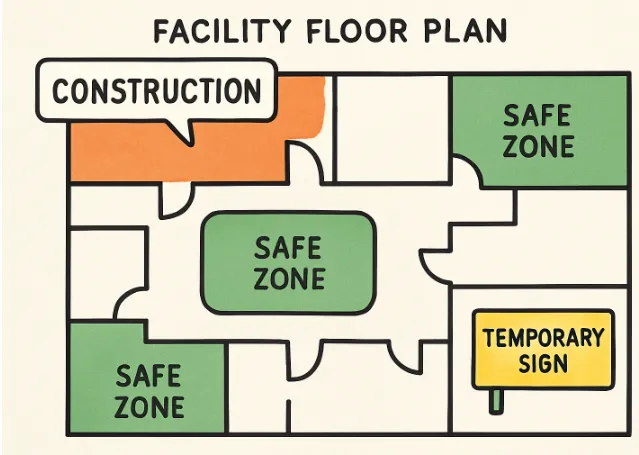
Safety considerations must guide every aspect of major facility improvements. Keeping construction zones demarcated and communicating hazards to staff and visitors reduces risks and maintains productivity. Temporary wayfinding, accessibility accommodations for individuals with disabilities, and comprehensive compliance checks ensure that safety standards remain high even during periods of upheaval. Regular walkthroughs and safety briefings keep teams informed, proactive, and ready to make real-time adjustments.
Effective Communication and Incident Management
Keeping the lines of communication open is one of the most powerful ways to prevent small issues from becoming major disruptions. Establish regular check-ins with contractors and internal teams to review timelines, share status updates, and align on daily goals. Proactive incident management processes, such as documenting near misses, conducting root cause analysis, and developing corrective action plans, reduce the likelihood that similar problems will recur. Effective communication turns facility improvements from a source of stress into an opportunity to learn, adapt, and further strengthen operational resilience.
Leveraging Digital Tools for Repair Efficiency
Investments in digital technology can dramatically improve repair speed and accuracy. Remote guidance platforms and augmented reality applications allow less experienced technicians to collaborate in real time with seasoned experts, reducing troubleshooting time. Sensor technology provides advanced diagnostics by monitoring performance indicators and triggering alerts for preventative maintenance. Modern work order and asset management systems streamline repair documentation and resource allocation, ensuring that the right people have the right information at the right time. Facilities embracing these tools often see a 5% to 15% reduction in downtime.
Conclusion
Minimizing downtime during major facility improvements requires foresight, adaptability, and collaboration. By prioritizing planning, proactive maintenance, spare part readiness, vendor relationships, and safety, organizations can minimize disruptions while securing long-term operational excellence. Leveraging technology and open communication further strengthens these efforts, ensuring business continuity and ongoing productivity through any upgrade process.