Why More Drivers Are Choosing a Honda Lease Buyout in 2026
You made it to the end of your Honda lease. Congrats, you survived oil changes, road trips, grocery runs, mystery stains, and that one pothole that still feels personal. Now you’re staring at the big decision: turn it in, start fresh, or keep what you’ve already been driving.
In 2026, more drivers are picking the Honda lease buyout route for a simple reason: it can feel like the most predictable option in a market that keeps finding new ways to surprise you. When you already know the car, already know its habits, and already know what it costs to live with, buying it can be the calm choice.
Replacement Shock Is Real
If you’re tempted to swap into something new, you’re not alone. New car smell still works on the human brain. But here’s what catches a lot of people off guard in 2026: the moment you start pricing replacements, the numbers can jump fast.
That’s replacement shock. It’s the gap between what you were paying during the lease and what it might cost to replace the vehicle now. It doesn’t always show up as one giant increase. It often comes in a pile of smaller “Wait, what?” moments that add up.
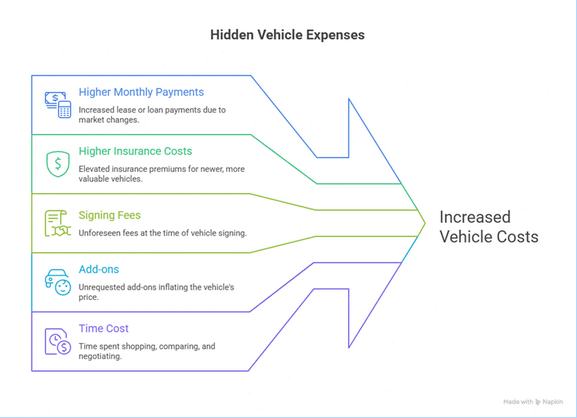
Common sources of replacement shock include:
– A higher monthly payment on a new lease or loan because pricing and rates aren’t what they were a few years ago
– Higher insurance costs on a newer vehicle with a higher value or pricier parts
– Fees at signing that you forgot were a thing
– Add-ons you didn’t ask for but somehow ended up in the quote
– The time cost of shopping, comparing, and negotiating
A lease buyout doesn’t magically erase costs, but it can reduce your exposure to the unknown. You already know what you’ve been paying to insure the car. You know how much fuel it uses in your actual commute, not the “estimated” one. You know whether it needs premium gas (most Hondas don’t) and whether it fits in your parking spot without a three-point turn and a prayer.
And maybe most important: you know if you even like driving it. That’s not a small thing. Plenty of people sign for a new ride, then spend the next year quietly annoyed by the seat, the infotainment system, or the visibility.
Predictability Is a Feature, Not a Flaw
A lot of car shopping advice treats staying put like settling. But for many drivers in 2026, predictability feels like the point.
If you buy out your lease, you’re choosing a car with a known history. You know if it has been in an accident. You know if it’s been driven gently or used like a rally car on your morning commute. You know whether you stayed on top of maintenance or let it slide.
That familiarity has value, even if it doesn’t show up on a spreadsheet.
Also, a buyout can help you avoid the “new-car learning curve” costs. That includes things like:
– New tires sooner than expected because the model you picked ships with performance rubber
– A new key fob price that makes your eyebrows rise
– A new trim level with bigger wheels, which can mean more expensive replacements
– A different engine or drivetrain that changes real-world fuel economy
You’re not guessing with the car you already have. You’re working with facts from your own life.
Honda’s Long-Game Reputation Matters in 2026
Many people lease a Honda because they want an easy ownership experience: dependable, efficient, not full of drama.
Then the lease ends, and the car is still doing the job. That’s when the buyout idea starts to feel less like a compromise and more like a smart handoff from “temporary” to “mine.”
Hondas have a reputation for lasting, and that reputation shapes behavior. If you believe a vehicle can serve you well for years after the lease, buying it out feels less risky.
The Buyout Decision: What You Should Check Before You Commit
A buyout can be a strong move, but you should treat it like any other purchase. That means doing a few quick checks, even if you love the car.
Here’s a practical list.
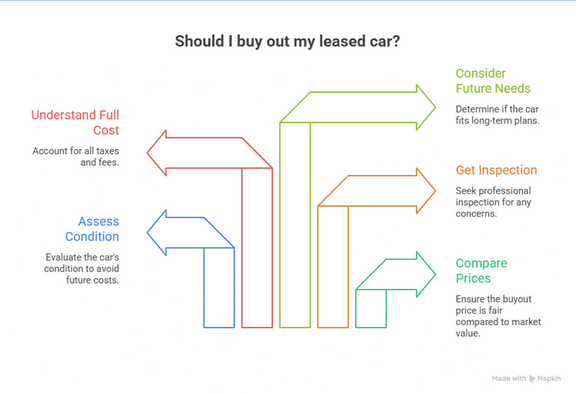
– Compare the buyout price to the car’s market value
See what similar cars sell in your area – same model, similar mileage, similar condition. If the buyout is clearly higher than market, you can negotiate if possible or consider other options.
– Review your vehicle’s condition with clear eyes
Small issues add up. Tires, brakes, windshield chips, alignment problems – stuff you’ve been living with matters when you become the long-term owner.
– Get an inspection if you’re unsure
If anything feels off (odd noises, warning lights, weird shifting, vibration), have a trusted mechanic look it over. Even if it costs a bit, it can save you from buying a problem.
– Understand the full buyout price
Taxes and fees can change your total cost. The number on paper may not be the final number. Ask for the full breakdown so you can compare before buying.
– Think about your next two to five years
If your life is about to change (new job, longer commute, moving, growing family), check whether the car still fits. Buying out makes more sense when you’re confident you’ll keep it long enough to justify the purchase costs.
Why This All Hits Differently in 2026
When the cost of replacing a vehicle can jump, and when the “new deal” isn’t always a better deal, keeping a car you already trust starts to look like the grown-up option.
If you’re driving a Honda you’ve maintained and you like, a lease buyout can feel like taking control. You keep a vehicle with a known track record, you avoid replacement shock, and you give yourself a path to ownership without rolling the dice on something unfamiliar.