Designing Collaborative Workspaces for the Future
In today’s rapidly evolving workplace, organizations are rethinking the way they approach collaborative spaces. As new work models emerge, successful office environments must foster a culture of innovation and support productivity for all working styles.
Also Read: Modern Workspace Furniture for Better Productivity and Culture
This new paradigm is driving demand for versatile, thoughtfully designed environments created by experts such as a commercial interior design company. Seamless collaboration between physical and virtual participants should be the norm rather than the exception in the office of the future.
With hybrid and flexible work becoming the norm, the pressure is on to create environments that empower both in-office and remote workers. The right workspace design can boost morale, improve well-being, and build a sense of community, all while integrating the latest technology to connect every team member. Companies that embrace these changes are best positioned to lead in a competitive and rapidly changing world.
Embracing Flexibility in Workspace Design
Gone are the days of static cubicles and assigned desks for every employee. Today, modern offices are reimagining space with flexibility as a core principle. Dynamic seating arrangements, such as hot desking, and modular furniture systems that can be rearranged for different purposes, make it easy for teams to adapt their environment to suit project needs or individual preferences. This approach not only enhances the user experience but also accommodates the unpredictability of hybrid work arrangements, where headcount and personnel locations may shift from week to week.
Providing the option to move freely within the workspace or to reserve quiet zones for deep focus supports a broad range of work styles. Empowering people to select their optimal environment has measurable effects on morale, engagement, and productivity. According to a Forbes article on workspace flexibility, companies that offer adaptable environments see improved employee satisfaction and collaboration rates.
Integrating Biophilic Design Elements
Bringing nature into the office is more than a design trend; it is a science-backed approach to enhancing wellness and productivity. Biophilic design introduces elements like indoor green walls, abundant natural light, and materials inspired by the outdoors, such as wood or stone. Spaces that incorporate biophilic features are shown to reduce stress, increase creativity, and support cognitive function.
This growing movement also intersects with the “resimercial” trend: blending the comfort of home with the professionalism of a work environment. These approaches result in inviting, relaxed spaces that boost overall morale and help combat burnout.
Leveraging Advanced Technology for Seamless Collaboration
The integration of cutting-edge technology is no longer optional in today’s distributed working landscape. Smart meeting tools, AI-powered work assistants, and unified collaboration platforms enable effortless and equitable engagement for in-office and remote colleagues alike. Features such as automatic note-taking, virtual whiteboards, and immersive video conferencing ensure everyone is fully included, regardless of their physical location.
Recent advancements are bringing companies closer to a true “intelligent office.” These platforms alleviate friction points like scheduling, meeting follow-up, and task management, freeing teams to focus on creative and strategic work.
Fostering Community Through Thoughtful Layouts
Designing offices to encourage community is a hallmark of successful collaborative environments. Open kitchens, communal tables, and breakout lounges support spontaneous conversations that spark ideas and strengthen team relationships. By fostering informal collaboration and networking, these spaces foster a sense of belonging that is often missing in rigid, traditional office layouts.
Thoughtful design choices, such as centrally located resources or wide, open corridors, bring people together naturally and foster a culture of openness. This kind of environment draws employees back to the workplace and can be a powerful tool for recruitment and retention.
Prioritizing Employee Well-being and Comfort
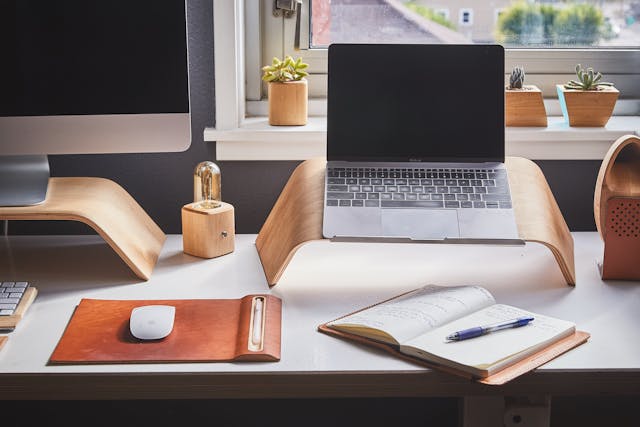
Employee health and satisfaction are at the forefront of contemporary office design. Today’s collaborative workspaces feature adjustable desks, ergonomic seating, and areas for focused work. Wellness rooms, nap pods, and spaces dedicated to mindfulness or relaxation also support staff’s physical and mental well-being.
Such efforts do more than raise morale; they drive measurable business outcomes by reducing absenteeism and improving productivity. The Mayo Clinic acknowledges the importance of thoughtful workplace ergonomics and stress management as keys to a healthier, more satisfied workforce.
Adapting to the Evolving Nature of Work
The workplace continues to transform, with technology leading the way. As organizations experiment with automation, AI-driven workflows, and digital co-workers, office design will increasingly reflect hybrid realities and virtual collaborations. According to research published by arXiv, a blended model that harmonizes digital and physical work is reshaping roles and expertise for the long term.
Embracing a flexible, tech-forward environment enables organizations to remain resilient in the face of change. As roles evolve and remote participation increases, adaptable, well-designed workspaces will be the foundation for continued growth and innovation.
Conclusion
Creating the collaborative workspace of the future is an ongoing journey. Organizations that take a holistic approach to design—combining flexibility, biophilic elements, advanced technology, and a community focus—will be best positioned for long-term success. By centering the experience and well-being of every team member, companies can unlock their fullest creative and productive potential in the evolving landscape of work.