
Understanding Cash Offers for Commercial Real Estate
Key Takeaways
- Cash offers can dramatically speed up closings, reducing wait times to just weeks.
- Sellers enjoy greater transaction certainty with fewer deal-breaking contingencies.
- Buyers gain negotiation strength, sidestep financing costs, and enjoy greater flexibility.
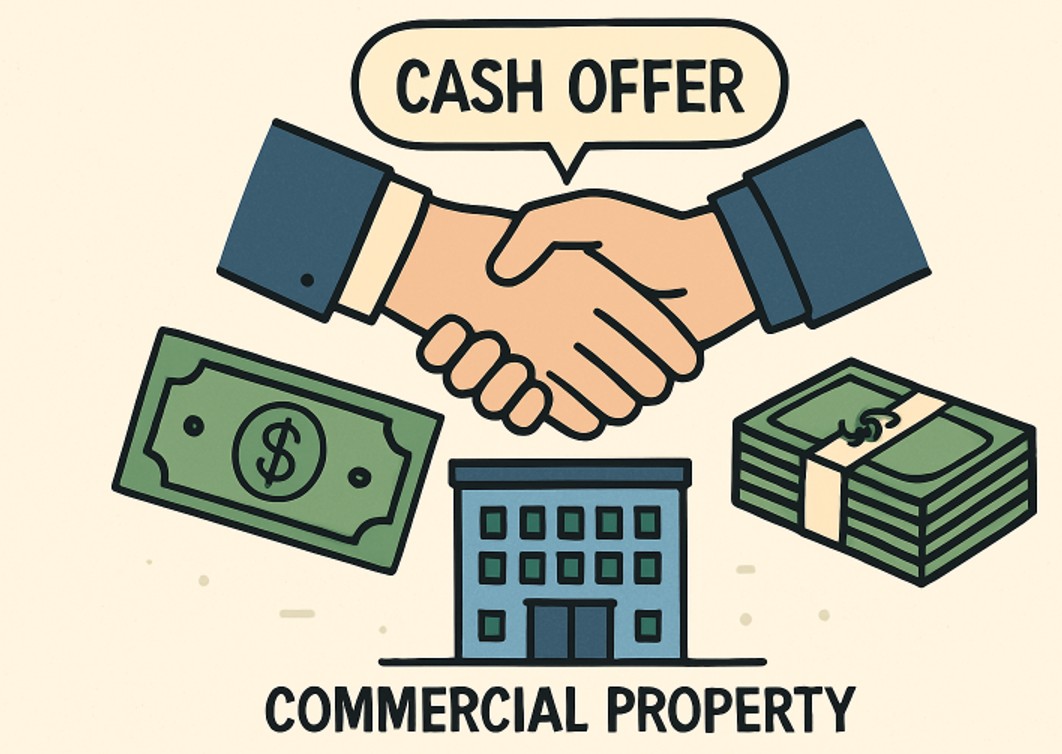
Cash offers play a significant role in commercial real estate transactions, offering a streamlined alternative to traditional financing. Unlike deals that depend on lender approvals, appraisals, and extended underwriting timelines, cash transactions are typically more direct. Buyers who use cash often prioritize speed, certainty, and flexibility, while sellers may value the reduced risk of delays or failed financing. Understanding how these offers work, including due diligence periods, proof of funds, and negotiated contingencies, can help both parties make informed decisions in competitive markets.
For property owners exploring this route, reviewing platforms such as https://www.commercialpropertyoffer.com/ can provide insight into how direct-purchasing models work. These resources generally outline the process, from initial property evaluation to closing, helping sellers compare options alongside conventional listings. By becoming familiar with the mechanics of cash transactions, investors and owners can better assess whether this approach aligns with their financial objectives and timeline.
Advantages for Sellers
Accepting a cash offer provides commercial property sellers with benefits that go beyond merely speeding up the sale process. By eliminating typical delays associated with buyer financing, such as appraisals, income verification, and bank processing, cash transactions streamline the entire experience. As a result, many sellers can close in just two to three weeks, allowing them to access capital more quickly for reinvestment or allocation to other business priorities. Working with entities like Commercial Property Offer can further illustrate how direct purchasing models are structured around efficiency and simplified timelines.
Speed is often the most noticeable advantage, as cash deals tend to settle much faster than financed transactions. Additionally, they offer greater certainty, since the risk of a deal falling through due to loan denials or appraisal discrepancies is significantly reduced. Cash buyers typically agree to fewer contingencies and may waive certain inspections or procedural requirements, minimizing complications that could delay negotiations or disrupt the transaction.
Benefits for Buyers
For buyers, paying in cash instead of securing a mortgage can offer significant strategic advantages. Sellers often find all-cash offers highly attractive for their speed and reliability, sometimes prioritizing them over higher bids that depend on financing approval. This perception can greatly strengthen a buyer’s position in competitive situations.
Cash purchases also provide valuable leverage in negotiations. The certainty and simplicity of the transaction may lead to a more favorable purchase price or additional concessions from the seller. Furthermore, buyers save money by eliminating loan-related expenses, such as origination fees, ongoing interest payments, and other financing costs, thereby enhancing the overall profitability of the investment. In high-demand markets, this combination of speed, certainty, and lower costs often gives cash buyers a distinct edge, even against competitors who may offer more but rely on lender approval.
Market Trends
Over recent years, the commercial real estate sector has seen a dramatic increase in cash transactions, a trend driven by economic uncertainty and rising interest rates. In 2025, approximately 32.8% of all property sales closed without any financing, according to industry reports. This rise is attributed to investors seeking to bypass unpredictable lending requirements while also reducing their exposure to changing economic conditions.
As the market continues adapting to these forces, industry experts predict that cash deals will remain prominent. Investors with readily available funds are using them strategically, viewing cash offers as a way to sidestep potential delays and complications inherent in traditional financing models.
Considerations for Buyers
Despite their benefits, cash offers warrant careful consideration and planning. One key factor is liquidity, as allocating large sums of cash to a single investment can restrict access to funds for other opportunities or emergencies.
- Liquidity Impact: Buyers must assess whether tying up significant capital in a single property fits within their overall investment strategy and financial flexibility.
- Due Diligence: Even when bypassing appraisals or inspections, comprehensive property assessments remain crucial to verify condition and value. Skipping these steps to speed closing can expose buyers to hidden costs or future liabilities.
- Opportunity Cost: Investors should weigh expected returns from the property against other potential uses of their cash, ensuring the chosen path delivers the best overall outcome.
Engaging qualified advisors and conducting thorough market research is always recommended. Even seasoned investors benefit from careful evaluation of each asset, helping ensure long-term success and mitigate risk.
Read Also on thehomeytrotters
Conclusion
As cash offers continue to reshape the commercial real estate landscape, both buyers and sellers stand to gain from understanding their unique advantages and potential drawbacks. These transactions speed up sales, minimize complications, and enable savvy investors to negotiate from a position of strength. With solid preparation and awareness of current trends, property stakeholders can leverage cash deals to achieve their financial goals while navigating today’s complex market environment.