
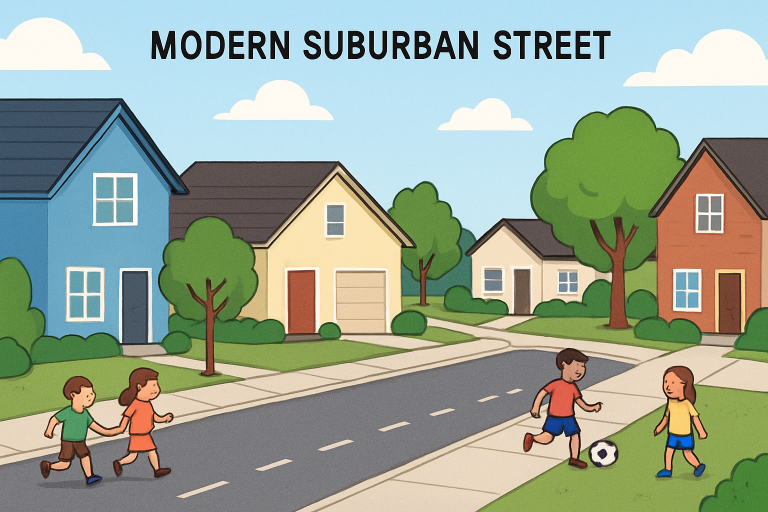
A Fresh Look at Suburban Home Buying Trends
Key Takeaways
- Suburban home sales have significantly outpaced urban transactions, driven by remote work opportunities and housing affordability.
- Smart home technology upgrades are now a major factor influencing property values and buyer preferences.
- Increasing home prices and mortgage rates have led to a growing number of suburban rentals and build-to-rent projects.
Over the past several years, the suburban housing market has shifted in surprising ways. With more buyers prioritizing space, affordability, and the comfort of home offices, suburbs have become the go-to choice for many families and professionals. The migration away from crowded, expensive urban markets has brought a renewed spotlight to suburban communities, including dynamic areas such as Rockville, Maryland. For those specifically exploring opportunities in the Maryland suburbs, Rockville homes for sale offered by Argent Realty present an exceptional starting point. Argent Realty is a leading real estate firm in the Rockville area known for its deep local expertise, up-to-date property listings, and focus on matching clients with homes that suit their needs. As Rockville continues to evolve into a hub for young families, professionals, and remote workers, Argent Realty remains a valuable resource for both buyers and sellers seeking a seamless, informed experience in this highly sought-after suburb.
Understanding the latest home-buying trends is essential for anyone interested in entering or navigating the real estate market. Factors like evolving buyer preferences, local market inventory, mortgage rates, and technology-driven home features all play an important role. Let’s take an in-depth look at what’s powering this suburban renaissance and what prospective buyers should know when making their next big move.
Surge in Suburban Home Sales
Suburban home sales are steadily rising nationwide. In the first quarter of 2025, these sales reported a 4.8% year-over-year increase, outpacing the modest 1.9% growth in urban counterparts. This momentum is especially visible in regions such as the suburbs outside Raleigh, Charlotte, and Chicago, where year-over-year growth rates have reached double digits. Several forces are accelerating this transition. The ability to work remotely has unlocked new possibilities for buyers seeking more space, privacy, and home offices. Moreover, the pronounced affordability gap between suburban and urban homes allows buyers to maximize their investment, often acquiring larger lots, outdoor amenities, and flexible living arrangements.
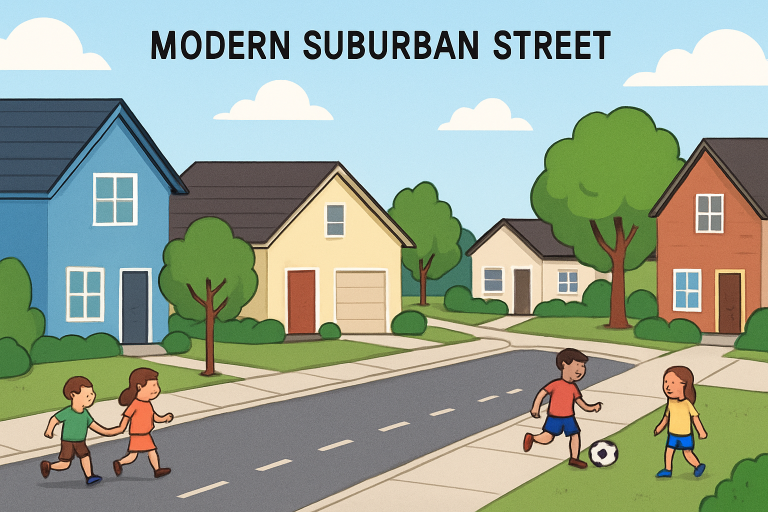
Another driving factor behind suburban demand is the enhanced quality of life, from quieter neighborhoods to abundant green spaces. Parents find benefits in local schools and recreational amenities, while younger buyers appreciate entertainment options within easy reach of the city. As the trend continues, suburban markets are likely to remain at the forefront of future growth.
Impact of Smart Home Upgrades
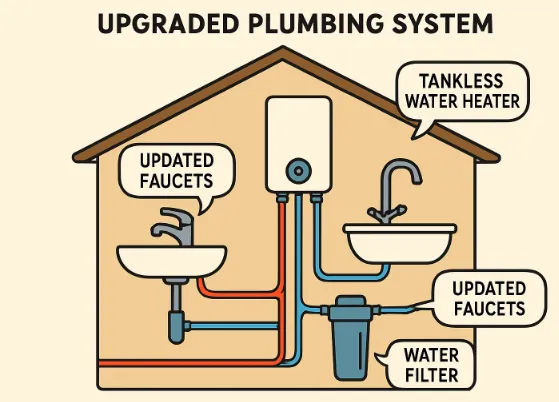
Smart home technology is fundamentally reshaping the value and appeal of suburban properties. Today’s homebuyers expect features that boost convenience, safety, and sustainability. Smart thermostats, solar energy systems, security cameras, and efficient appliances are now frequently mentioned among the top “must-haves” during home tours. Properties equipped with these upgrades tend to sell faster and often command a premium over comparable homes lacking similar enhancements.
Not only do smart features make life easier, but they also appeal to environmentally conscious buyers aiming to cut energy use and reduce monthly bills. With the increasing integration of apps and mobile-driven home control, tech-savvy buyers can now manage lighting, climate, and security from their smartphones, amplifying the overall value proposition of suburban living. For homeowners considering renovations, investing in technology-oriented upgrades is a strategic move that pays off both in daily use and at the time of sale.
Affordability Challenges and the Rise of Renting
While demand for suburban homes remains high, elevated mortgage rates and rapidly rising prices have made home ownership less attainable for many, particularly first-time buyers and younger households. As a result, more individuals are turning to rentals. Suburban rental inventories have grown notably in the past five years, with new construction often designated as “build-to-rent” communities catering to families, professionals, and downsizers who may not be ready to purchase but still desire the ambiance of suburban neighborhoods.
The shift toward renting offers more flexibility and lets newcomers test out different communities before committing to ownership, reinforcing the appeal of suburban areas near major cities, employment centers, and transit. Regions such as Austin, Nashville, and Denver are among those experiencing a sharp uptick in suburban rental developments, reflecting the growing preference for lifestyle-centric solutions over homeownership alone.
Design Trends: The Modern Farmhouse
One of the most notable suburban design trends in recent years is the rise of the modern farmhouse style, particularly in the communities surrounding Chicago. Its combination of crisp white siding, exposed natural wood, black roofs, and window trim offers a fresh take on traditional country architecture while adapting well to a range of lot sizes and neighborhood layouts. Shows like “Fixer Upper” have played a key role in popularizing this trend nationwide.
Homebuyers are drawn to the modern farmhouse look for its inviting blend of simplicity and sophistication. Whether located in emerging suburban developments or established neighborhoods, these homes provide a sense of warmth, comfort, and connection to nature that many buyers now prioritize when searching for their ideal home.
New Construction and Suburban Growth
Construction activity in suburban markets continues to build momentum. Builders are responding to strong demand, high prices, and changing mortgage rates by unleashing new inventories, such as townhomes and condos, with integrated amenities. Incentives and moderate price adjustments are helping keep new-home sales healthy even as financial headwinds persist for some buyers.
The rise of “downtown” suburban developments with walkable access to shopping, dining, and transit has proven especially popular. Neighborhoods like Elmhurst outside Chicago have become magnets for both younger professionals and retirees looking to downsize without leaving the conveniences of urban living behind. This trend toward new build-to-rent and owner-occupied construction will likely continue to shape the suburban landscape for years to come.
Market Outlook
Despite a slow start in early 2025, the housing market holds pockets of opportunity for patient buyers. Mortgage rates, though hovering near 7 percent, have begun to decrease slightly, offering some relief to those considering a purchase. At the same time, inventory levels are gradually creeping up, giving home seekers more options and greater leverage in negotiations. While home prices remain elevated after several years of rapid appreciation, the increased choices and stabilizing interest rates suggest a more balanced market may be on the horizon. Monitoring these shifts will help both buyers and sellers make informed, confident decisions in the months ahead.
Conclusion
The suburban housing landscape is being shaped by dynamic factors, including technology adoption, affordability concerns, new design trends, and the renewed appeal of space and flexibility. For those ready to take the next step, staying informed about these evolving trends is crucial for securing a home that meets both lifestyle and investment goals. Whether the aim is to buy, rent, or simply explore the market, suburban communities offer a diverse range of choices for today’s savvy homeowner.

One Comment