Cost-Efficient Window Replacement for Modern Homes
Table of Contents
- Understanding the Need for Window Replacement
- Types of Windows and Their Costs
- Energy Efficiency and Savings
- Choosing the Right Materials
- Installation Considerations
- Financial Incentives and Rebates
- Maintenance and Longevity
- Conclusion
Enhancing your home’s comfort and reducing utility expenses often begins with upgrading your windows. Aging or inefficient windows can drive up energy costs, reduce interior comfort, and affect your home’s aesthetics. If you want to maximize long-term savings, boost curb appeal, and increase property value, consider window replacement in Salt Lake City. This guide sheds light on how to make this investment wisely—helping you navigate options with cost-efficiency in mind.
Many homeowners find window replacement daunting due to numerous product choices and installation considerations. However, understanding key factors—such as energy efficiency, materials, and available financial incentives—can simplify your decision-making and help you plan your project with confidence. Below, you’ll find a comprehensive roadmap to help you choose the best windows for your modern home while keeping your budget in check.
Understanding the Need for Window Replacement
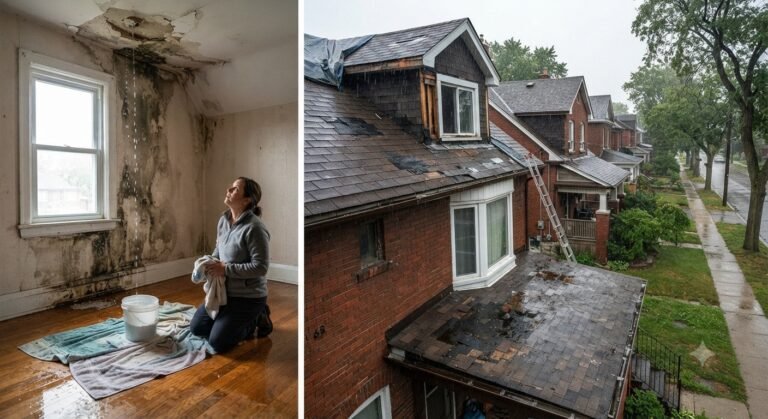
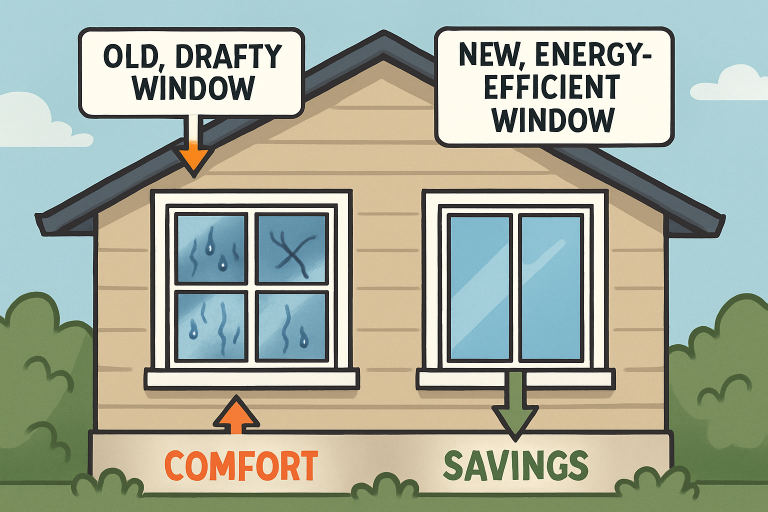
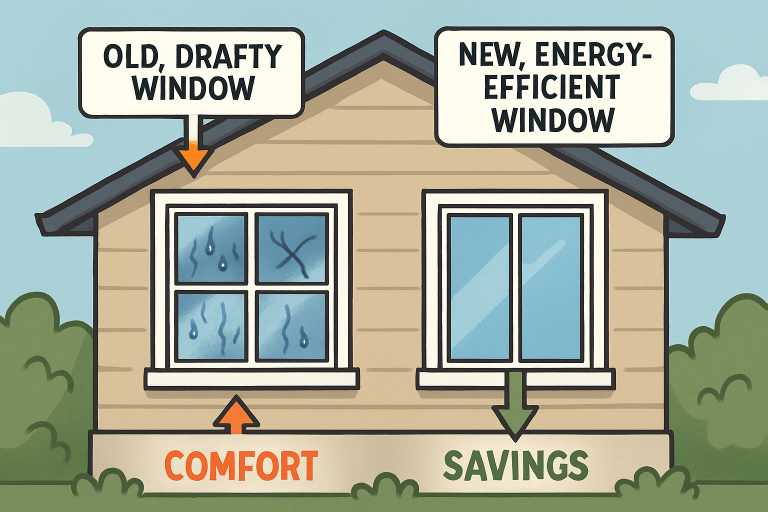
Old windows can lead to energy loss, drafts, and discomfort indoors. Indicators for replacement include condensation between panes, persistent drafts when closed, and operational difficulties. Timely replacement protects against moisture, ensures temperature consistency, and reduces energy use. New windows enhance insulation, update aesthetics, and address safety issues tied to old frames and glass, while also yielding savings on heating and cooling costs, as noted by the U.S. Department of Energy.
Types of Windows and Their Costs
Today’s window market features several popular styles. Each window type comes with its own price range, so you can select models that best suit your home’s architectural style and your budget:
- Single-Hung Windows: The bottom sash opens, making these models basic, yet cost-effective (average: $397 per window).
- Double-Hung Windows: Both sashes move for added ventilation, a step up in features and cost (average: $495 per window).
- Casement Windows: Hinged at the side and open outward, offering expansive views and improved ventilation (average: $560 per window).
- Sliding Windows: Open horizontally along a track, simple to use and maintain (average: $507 per window).
Remember, prices fluctuate based on size, quality, materials, and additional features like Low-E glass coatings or multi-pane construction. It is best to request multiple estimates for accurate local pricing.
Energy Efficiency and Savings
Energy-efficient windows are smart investments that reduce home energy loss and utility bills. Upgrading from single-pane, outdated windows to modern, Energy Star-certified windows can lead to annual energy savings of 7 to 15 percent. Depending on your home’s size and location, this may mean savings of $71 to $501 per year. Energy Star windows come equipped with advanced features—such as argon gas fills, multiple panes, and special coatings—that ensure optimal insulation and reduced condensation.
Improved thermal performance is not the only benefit. Energy-efficient windows also enhance interior comfort by reducing drafts and blocking UV rays, helping to protect furniture and flooring from sun damage.
Choosing the Right Materials
The selection of frame materials impacts longevity, appearance, maintenance, and total project cost. Here are the most popular options:
- Vinyl: Affordable, energy-efficient, and low-maintenance. The most common choice for cost savings, though color choices can be limited.
- Wood: Classic, natural appearance and excellent insulation. Requires regular maintenance (painting or sealing) to prevent rot or warping.
- Aluminum: Lightweight, strong, and often chosen for modern aesthetics. Less insulating than vinyl or wood but highly durable.
- Fiberglass: Superior strength, minimal maintenance, and excellent energy efficiency. High initial cost, but possibly the longest lifespan.
When deciding, factor in your climate, desired maintenance level, and long-term goals for aesthetics and durability.
Installation Considerations
Professional installation is central to maximizing the performance of new windows. Labor costs usually range from $100 to $300 per unit, depending on window size, design complexity, and local labor rates. Always seek out reputable, certified contractors and compare several bids before choosing an installer, as poor installation can result in gaps, leaks, and lost energy savings.
Financial Incentives and Rebates
Taking advantage of local and federal incentives can significantly offset the costs of window replacement.
- Federal Tax Credits: The current Energy Efficient Home Improvement Credit provides up to 30 percent of eligible window costs, capped at $600 annually through 2032. Always check for the latest program rules before buying, as regulations may evolve.
- Local Rebates: Utility companies and local governments may offer rebates or low-interest loans for energy-efficiency projects. Check local or state government websites for details about programs available in your area.
Applying for these incentives can further stretch your remodeling budget and provide quicker returns on your investment.
Maintenance and Longevity
Proper upkeep maximizes the lifespan and value of your new windows. Clean window tracks and glass regularly, inspect seals and weatherstripping, and swiftly resolve any issues such as locking problems or condensation. Vinyl and fiberglass require the least ongoing care, making them ideal for homeowners seeking low-maintenance solutions. In contrast, wood frames deliver superior aesthetics but need periodic sealing or painting to protect against moisture and pests.
Establishing a care routine reduces repair costs, sustains energy efficiency, and promotes smooth operation throughout the year.
Conclusion
A thoughtful approach to window replacement blends functionality, energy savings, and style while staying on budget. Assess the best options for your region and property type, from efficient window types to frame materials. Carefully evaluate installers, utilize available incentives, and commit to simple maintenance steps to ensure a successful, long-lasting upgrade that adds comfort and value to your home.