How Insulation Impacts Home Comfort & Energy Efficiency
Key Takeaways:
- Proper insulation maintains consistent indoor temperatures, enhancing comfort.
- High-quality insulation reduces energy consumption, leading to lower utility bills.
- Effective insulation contributes to better indoor air quality by minimizing drafts and moisture.
- Investing in quality insulation can increase your home’s resale value.
Understanding the Role of Insulation
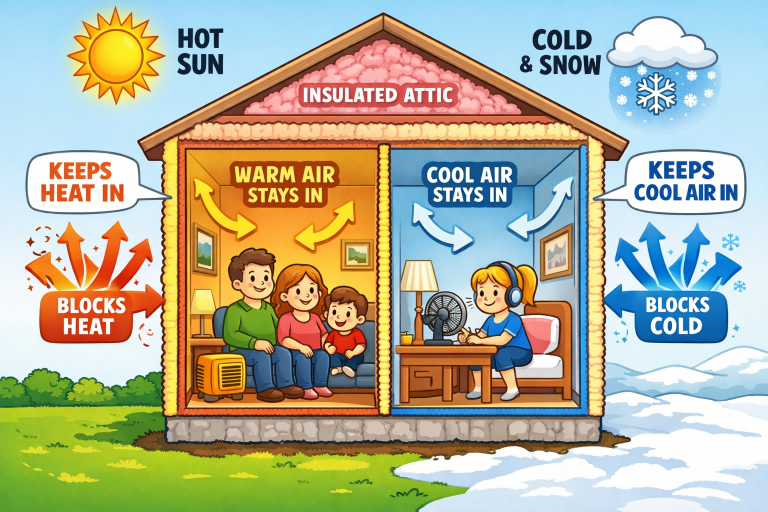
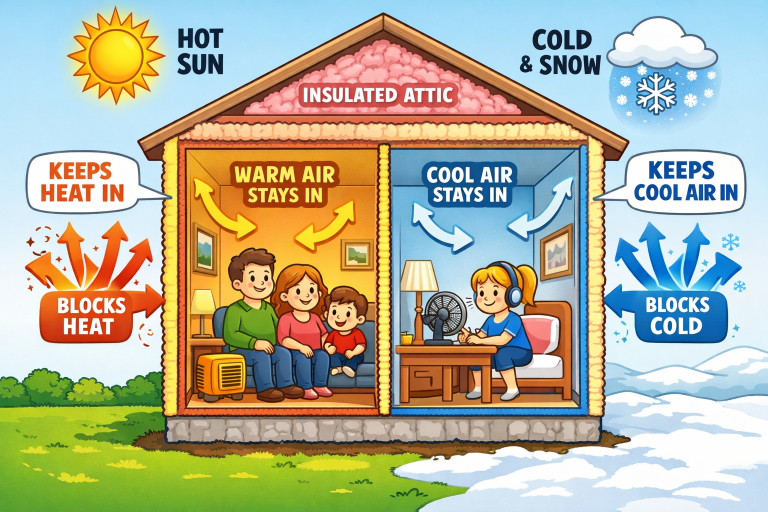
Insulation acts as a thermal barrier, regulating the transfer of heat between the inside and outside of your home. This fundamental function ensures your indoor spaces stay warmer in winter and cooler in summer. By slowing heat transfer, insulation helps your heating and cooling systems operate more efficiently, resulting in a more comfortable, cost-effective household. Residents in areas with variable climates, such as Houston, often benefit most from professional insulation solutions that suits their regional needs.
The effectiveness of insulation goes beyond just keeping out heat or cold. Good insulation creates a more stable and predictable living environment. This can be particularly noticeable in rooms far from the central HVAC system or on upper floors, where temperature fluctuations are otherwise common.
Quality insulation also helps maintain the home’s structure and longevity by limiting seasonal expansion and contraction caused by temperature swings. Over time, this can prevent unnecessary repairs and maintain your property’s value.
Additionally, insulation can dampen unwanted noise from outside, further contributing to a peaceful indoor atmosphere. This benefit is often overlooked but can make a significant difference in urban and suburban environments.
Enhancing Home Comfort
A well-insulated home keeps indoor temperatures uniform throughout. This means there are fewer cold spots in the winter and fewer uncomfortably warm ones in the summer. Consistent temperatures across all rooms create a cozier environment, making daily life more pleasant for everyone in the household. High-performance solutions like spray foam insulation further enhance this effect by sealing gaps and preventing air leaks, improving overall energy efficiency.
This comfort extends beyond simple temperature management. Reduced drafts and minimal indoor humidity fluctuations can help families feel more comfortable year-round. Even on extreme-weather days, consistent insulation ensures that every part of the house remains inviting, so everyone can relax and enjoy their living spaces to the fullest.
Boosting Energy Efficiency
High-quality insulation makes a major impact on your home’s energy efficiency. By minimizing heat loss in winter and reducing heat gain in summer, insulation lowers the workload on your furnace and air conditioner. Over time, this translates into meaningful energy savings and lower utility bills. According to the U.S. Department of Energy, insulation upgrades offer a return on investment by potentially reducing heating and cooling costs by 10 to 50 percent, depending on the home’s initial insulation levels.
These energy savings benefit more than just your household. Lower energy consumption reduces your carbon footprint and supports broader community efforts to conserve natural resources. In this way, adding or upgrading insulation is one of the most effective steps homeowners can take to contribute to environmental sustainability at both local and global scales.
Improving Indoor Air Quality
Insulation serves more than just thermal or acoustic purposes; it is also essential to maintaining your home’s indoor air quality. Properly installed insulation helps seal gaps and cracks around the building envelope, blocking outside pollutants, dust, and allergens from entering your living areas. This can be especially important for households with allergy sufferers or residents who are sensitive to changes in air quality.
Insulation that also acts as a vapor barrier can help regulate indoor humidity, reducing the risk of mold or mildew. Limited exposure to excess moisture protects your home from structural damage and supports the health of all occupants. The Environmental Protection Agency (EPA) provides further guidance on maintaining air quality through home improvements such as proper insulation and ventilation.
Increasing Home Value
Upgrading a home’s insulation is a strong selling point for potential buyers. Energy-efficient homes not only offer lower operating costs but also signify that the home has been well-maintained. Features such as uniformly comfortable rooms, low energy bills, and good indoor air quality are highly valued in the real estate market.
Many buyers place a premium on homes that promise comfort and cost efficiency from day one. In many cases, the increased value from insulation upgrades can offset all or part of the initial investment when it comes time to sell your property.
Choosing the Right Insulation
Not all insulation products are created equal. It’s important to evaluate several factors before making a choice. One critical measurement is R-value, which indicates how well the insulation resists heat flow. The higher the R-value, the more effective the insulation. Common home insulation materials include fiberglass, cellulose, and spray foam, each offering unique advantages in installation, longevity, and efficiency. Consulting with a professional ensures that you choose the product that’s best for your climate, home design, and budget.
Signs Your Home May Need Additional Insulation
Some indicators suggest that your home may benefit from added or upgraded insulation. Watch for these clues:
- Different temperatures in various rooms, or hotspots and cold zones
- Unexpectedly high energy bills despite normal usage habits
- Frequent drafts, especially near windows and doors
- Ice dams form along the edge of the roof during winter
Addressing these issues promptly can enhance overall comfort, lower costs, and protect your home from long-term issues.
Final Thoughts
Quality insulation is one of the most effective ways to improve both comfort and efficiency in your home. From maintaining even temperatures and reducing utility bills to improving indoor air quality and increasing property value, insulation upgrades offer wide-ranging benefits for homeowners. By paying attention to signs that your insulation needs improvement and choosing the right materials, you can create a healthier, more comfortable, and more energy-efficient home for years to come.