A Cleaner, Healthier Bathroom: Guide to DIY Toilet Bowl Cleaner
Keeping a bathroom clean is one of those chores that most people don’t enjoy, but everyone appreciates when it’s done well. A sparkling toilet bowl can make a bathroom feel fresh and hygienic, and using a DIY toilet bowl cleaner can be a safe, effective, and eco-friendly way to achieve that.
Also Read: Understanding Role of Pediatric Dentists in Children’s Oral Health
Why Choose DIY Toilet Bowl Cleaner?
Toilet bowls may not be glamorous, but they are undeniably important. They come into contact with bacteria, stains, hard water buildup, and unpleasant odors. Many store-bought products can handle these issues, but they often contain harsh chemicals that can irritate skin, respiratory systems, and damage the environment when washed away.
This is where a DIY toilet bowl cleaner shines. These homemade solutions rely on simple, commonly available ingredients that are gentler on surfaces and safer for daily use. They also give you control over what goes into your cleaning products, which can be especially valuable for households with children, pets, or sensitive skin.
Common Ingredients and How They Work
A basic homemade toilet bowl cleaner uses a handful of pantry staples. Each ingredient plays a role:
- Baking soda: A mild abrasive that helps scrub away stains without scratching porcelain. It also absorbs odors.
- Vinegar: An acidic liquid that breaks down mineral deposits and bacteria. When combined with baking soda, it creates a fizzing reaction that helps lift grime.
- Essential oils (optional): These add a pleasant scent and may offer antibacterial properties, though they are not necessary for the cleaning power.
- Citric acid: Found in citrus fruits or as powdered citric acid, this helps dissolve hard water stains and mineral buildup.
Together, these ingredients tackle common issues in the toilet bowl — from yellow stains near the waterline to mineral rings and lingering smells.
Simple Steps to Make and Use It
One of the easiest DIY toilet bowl cleaner recipes involves just two main steps:
- Sprinkle baking soda generously around the inside of the bowl, paying attention to stained areas.
- Pour vinegar over the baking soda. You’ll see fizzing — that’s the reaction breaking down grime.
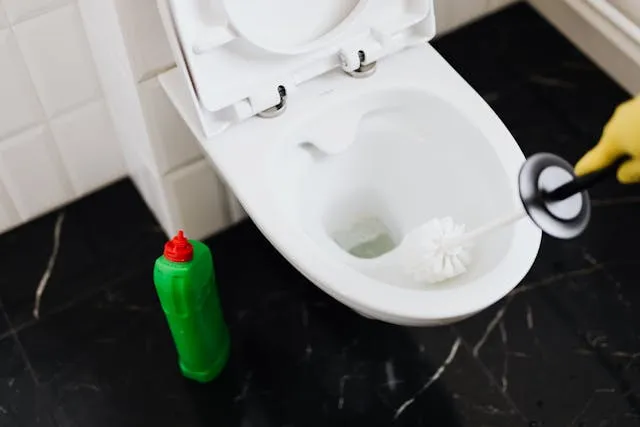
Let it sit for at least 15–20 minutes. For tougher stains or mineral rings, let it sit longer, even overnight if possible. Then, scrub with a toilet brush and flush.
If you want a fresh scent or extra cleaning power, add a few drops of essential oils like lemon, tea tree, or eucalyptus to the baking soda before adding vinegar.
Benefits Beyond Cleanliness
Making your own toilet bowl cleaner has advantages that go beyond just sparkling porcelain:
1. Reduced Exposure to Harsh Chemicals
Many commercial cleaners contain chlorine bleach, ammonia, and other strong chemicals. These can irritate eyes, skin, and lungs and can be risky if accidentally mixed with other cleaning agents. A homemade version avoids these risks and is kinder to your household and guests.
2. Lower Environmental Impact
When you flush conventional cleaners down the toilet, they enter wastewater systems and can affect aquatic life. Ingredients like vinegar and baking soda are far less harmful and break down naturally, making them a greener choice for regular cleaning.
3. Cost Savings
Store-bought cleaners add up in cost over time. Most DIY recipes use ingredients you may already have in your kitchen, which means you’re repurposing items rather than buying something new.
4. Customization
Not every household likes the same scents or levels of cleaning power. With DIY options, you can adjust formulas to suit your preferences. Want a citrus scent? Add orange or lemon essential oils. Dealing with severe hard water? Increase the amount of vinegar or use powdered citric acid.
Tips for Best Results
Here are some practical tips to make your DIY cleaning efforts more effective and convenient:
- Regular Cleaning: The longer stains and mineral buildup sit, the harder they are to remove. Weekly use of a homemade cleaner can keep the bowl fresh without much elbow grease.
- Let It Sit Longer: If you’re tackling tough stains, let the cleaner sit overnight. Covering the bowl with a lid or cloth can help prevent evaporation and improve results.
- Use Hot Water: Pouring hot (but not boiling) water into the bowl after the vinegar fizzing can further loosen residue.
- Stay Consistent: Even the best cleaner won’t work if it’s only used sporadically. Make it part of your regular cleaning routine to avoid tough stains later.
When Homemade Isn’t Enough
While DIY toilet bowl cleaners are excellent for regular maintenance, they may struggle with extremely stubborn stains or heavy mineral buildup from very hard water. In those cases, combining your homemade formula with a more powerful, occasional deep-cleaning method might be necessary. But for most households, a homemade solution keeps things clean and fresh with minimal fuss.
Final Thoughts
A clean toilet bowl isn’t just about appearance — it contributes to a healthier and more pleasant bathroom environment. Choosing a DIY toilet bowl cleaner lets you maintain that cleanliness in a way that’s safer for your family, less harmful to the environment, and easy on your wallet. With simple ingredients and straightforward techniques, you can keep your bathroom fresh and welcoming every day.
Whether you’re trying homemade cleaning for the first time or looking to refine your routine, this approach offers a thoughtful balance of effectiveness, safety, and simplicity. Why not give it a try and see how a little kitchen chemistry can make a big difference in your home?