Best Practices to Extend Submersible Fountain Pump Life
Submersible fountain pumps are now an important component in every household for their usability and reliability in providing water from underground sources. These machines have gained popularity as many areas still face droughts, making them ideal for people to access water efficiently. Moreover, they are energy efficient, operate quietly, save space, and have a longer lifespan. However, submersible fountain pumps that are inadequately serviced may have a shorter lifespan. Hence, they need proper care, and the owner must conduct regular audits to address any underlying issues.
Also Read: Strategic Frameworks for Global Resilience & Sustainability
Best Practices to Increase the Life of a Submersible Fountain Pumps
The average life of fountain pumps is around 7 to 15 years. However, this can be pushed significantly if serviced regularly or maintained with proper care. Here are the top practices to increase the life span of a submersible fountain pump:
Protection of Electrical System and Maintenance
Degrading and inconsistent electrical components pose a significant threat to fountain pumps. Also, a user must protect it from fluctuations in voltage to reduce electrical stress and component damage. So, it is advised to –
- Use high-quality electrical parts
- Using GFCIs (Ground Fault Circuit Interrupters) and voltage regulators.
Note that fluctuations in the current supply can cause overheating of the motor windings, reducing its efficiency. If these fluctuations continue, they can cause the machine to fail.
Hence, opting for regular inspection of the electrical system is essential. These inspections can identify:
- Inconsistency in electrical loads
- Faulty connections
- Sites of potential degradation
Prevention and Management of Sediments
Repeated sedimentation can cause significant and irreversible damage to fountain pumps. They can:
- Reduce efficiency
- Increase friction
- Cause abrasion
Hence, introducing a well rehabilitation and filtration system can impact the life of a pump. Users can consider:
- Opting for a professional well rehabilitation service
- Regular cleaning
- Pre-filters for sediments
Regular Monitoring and Water-Quality Testing
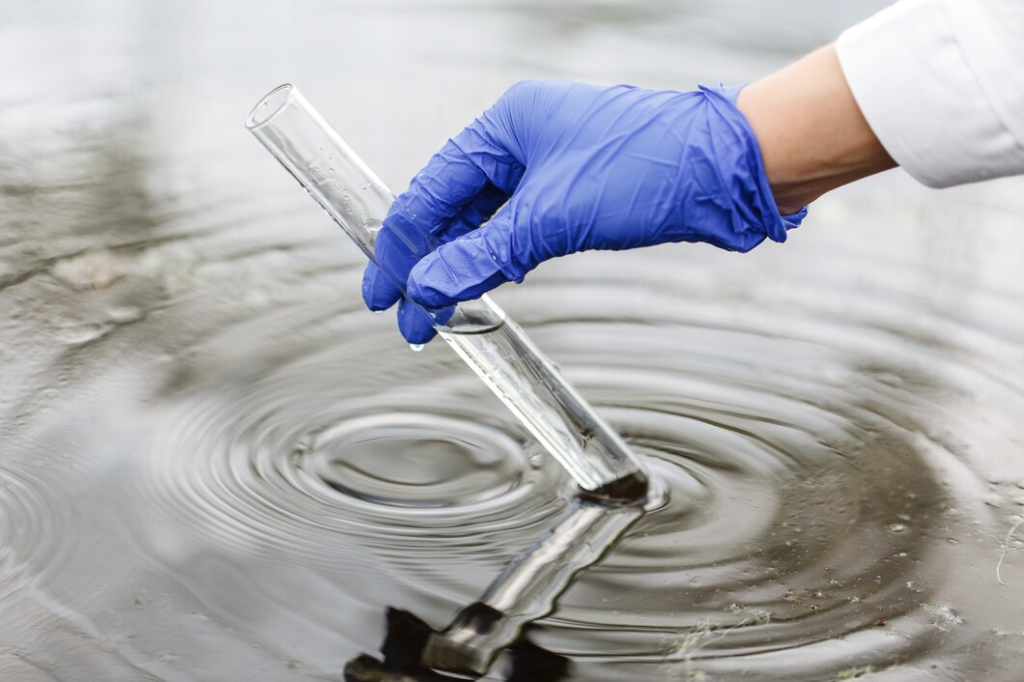
Conducting regular tests is one of the best ways to increase the longevity of pumps. In this regard, users should conduct a water analysis and test:
- Sediment levels
- Contaminations
- Mineral content
- pH levels
Rising levels of sediment, contaminants, and minerals can build up in the pump, causing wear and tear on components and reducing efficiency. Hence, understanding water composition is essential for increasing pump life.
In addition, introducing strategies for filtration and treatment also helps. This includes:
- Sediment filters
- Iron removal systems
- Water softeners
- pH balancing equipments
Usage Management and Strategic Pump Cycling
Smart use of the pumps means a healthy life and can increase longevity. This is because continuous use can cause components to tear and reduce the system’s performance. Hence, it is recommended to operate pumps at BEP. At BEP, it will provide the highest efficiency by maintaining proper flow rate and pressure.
A few of the recommended usage directions are:
- Implementing smart water management systems
- Installing VFDs (Variable Frequency Drives)
- Creating buffer periods using pressure tanks
Apart from these, dry run, pressure management, and flow rate need to be addressed, as they can create additional stress. A dry run can result from a low water level and the automatic shut-off of the pump. Hence, to reduce additional stress from the pumps, they must be tailored for:
- Well depth
- Pressure levels
- Household water demand
Opt for Regular Inspection
Although properly maintaining pumps is important, it cannot replace regular inspection. The user must opt for at least one maintenance session per year with certified pump technicians, as dealing with critical problems on their own can be tricky. It also helps in:
- Performing comprehensive diagnostics
- Flag potential issues early
- Document maintenance strategies
During inspection, ensure to keep records of:
- Assessment of electrical components
- Repair history
- Water quality test
- Inspection dates
Temperature and Environment Monitoring
The operating environment of pumps can have variable temperatures. This may cause it to heat up exponentially. Also, overuse of pumps can cause them to overheat. This damages the components and may lead to permanent failure of the system.
Hence, as part of pump management, ensure proper ventilation around the pump to maintain airflow. Also, monitor the temperature periodically to flag any anomalies. Also, it is recommended to:
- Protect the pumps from freezing temperatures
- Monitor water temperature
- Ensure proper submersion depth for the pump
As the environment can directly impact the pump health, one must ensure to use protective measures. They should apply coatings to submersible pumps to provide an extra protective layer against environmental nuances. This may help to protect the pump against abrasion, corrosion, and chemical damage. It is also recommended to:
- Use corrosion-resistant pumps
- Use sacrificial anodes
Conclusion
With proper care and proactive measures, it is possible to increase the life of a Submersible Fountain Pumps. However, in some cases, even with proper care, these pumps can malfunction. At that time, the components should be replaced so that other good components remain protected. In this regard, check for increased power consumption, reduced efficiency, and inconsistent water flow. Also, remember that every system is unique and has different environmental conditions.