Common Roofing Problems Found in Older Raleigh Neighborhoods
Owning a home in one of Raleigh’s historic neighborhoods comes with unique charm, mature trees, and timeless architecture. However, many of these older homes also have aging roofing systems that require extra care.
Also Read: Why Homeowners in East York Must Never Delay Roof Repairs
Hiring a trusted roofing contractor in Raleigh, NC can help homeowners identify hidden issues before they become costly repairs. Understanding the most common roofing problems found in older Raleigh neighborhoods allows you to protect your investment and maintain your home’s structural integrity for years to come.
Aging Roofing Materials
One of the biggest challenges in older neighborhoods is simply the age of the roof. Many homes still have roofing materials that are nearing or have exceeded their expected lifespan. Asphalt shingles become brittle over time, lose their protective granules, and are more likely to crack, curl, or break. Older roofs are also less effective at resisting today’s harsh weather conditions.
Damaged or Missing Shingles
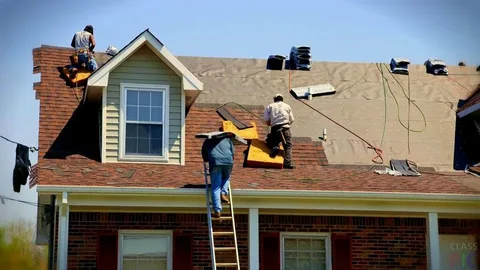
Years of exposure to wind, rain, heat, and seasonal storms can cause shingles to loosen or fall off completely. Missing shingles expose the roof deck to moisture, increasing the risk of leaks and structural damage. Even a few damaged shingles should be replaced promptly to prevent more extensive problems.
Roof Leaks Around Flashing
Flashing protects vulnerable areas around chimneys, skylights, vents, and valleys. In older homes, flashing may become loose, rusted, or cracked due to age and repeated weather exposure. Once flashing fails, water can easily enter the home and damage ceilings, walls, insulation, and wooden framing.
Poor Roof Ventilation
Many older Raleigh homes were built before modern ventilation standards were introduced. Inadequate attic ventilation allows heat and moisture to build up, especially during North Carolina’s hot summers. This trapped heat accelerates shingle deterioration while excess moisture encourages mold growth and wood rot.
Sagging Roof Structures
Over time, moisture infiltration and aging wooden supports can weaken the roof structure. A sagging roof is often a sign of damaged decking or compromised structural components. This issue should never be ignored because it can become a serious safety concern if left untreated.
Gutter Problems
Older homes frequently have outdated or poorly maintained gutter systems. Clogged or damaged gutters prevent proper drainage, causing water to back up beneath shingles or collect around the home’s foundation. Keeping gutters clean and in good condition helps protect both the roof and the structure below.
Moss and Algae Growth
Large shade trees commonly found in Raleigh’s older neighborhoods create damp conditions that encourage moss and algae growth. While these may seem like cosmetic issues, they trap moisture against the roof surface and can shorten the lifespan of roofing materials if not properly removed.
Chimney and Masonry Deterioration
Many historic homes feature brick chimneys that require regular maintenance. Cracked mortar joints, damaged chimney caps, and deteriorating flashing around the chimney often lead to roof leaks. Routine inspections help identify these issues before water causes extensive interior damage.
Storm Damage That Goes Unnoticed
Even when storms don’t cause immediate leaks, strong winds and heavy rain can loosen shingles, damage flashing, or create small punctures that worsen over time. Older roofs are generally more vulnerable to storm damage because their materials have weakened with age.
Insulation and Moisture Issues
Roof leaks and poor ventilation often lead to wet insulation inside the attic. Damp insulation loses its effectiveness, making heating and cooling systems work harder throughout the year. Moisture also creates an ideal environment for mold growth, which can affect indoor air quality.
Why Regular Roof Inspections Matter
Older homes require more frequent roof inspections than newer properties. A professional inspection can identify hidden problems such as loose flashing, deteriorating shingles, small leaks, or structural weaknesses before they require major repairs. Preventive maintenance is almost always more affordable than emergency roof repairs or full replacements.
Tips for Maintaining an Older Roof
Proper maintenance can significantly extend the life of an aging roof. Homeowners should clean gutters regularly, remove moss and debris, inspect the roof after severe storms, trim overhanging tree branches, and schedule routine professional inspections. Addressing small issues early helps preserve both the roof and the home’s overall value.