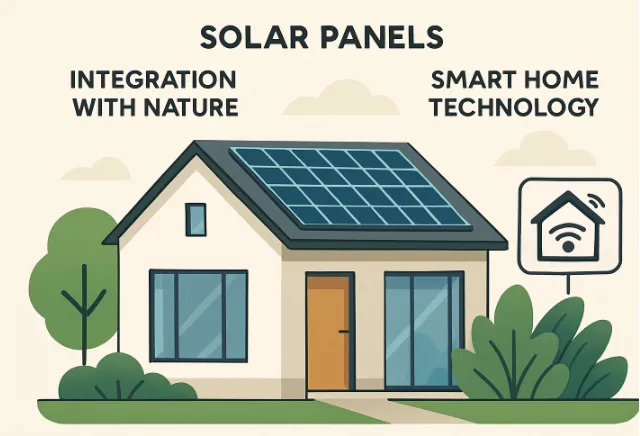
Custom Home Trends for Modern Living
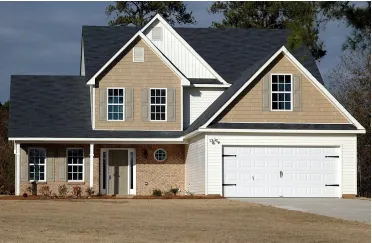
Building your dream home means having the freedom to design every feature to fit your lifestyle. Homeowners today are seeking creative ways to integrate innovative design with sustainability, comfort, and technology. Exploring what’s possible—such as a customizable residential slab home—can inspire a truly personalized living space that meets the demands of contemporary life while preparing you for the future.
As we look ahead to 2026, home design is moving beyond the basics. It’s about making intentional choices that enhance daily living, lower your ecological footprint, and support well-being. The latest custom home trends are driven by the need for adaptable spaces, energy efficiency, and bold aesthetics—all while keeping functionality at the forefront. With numerous paths to explore, modern homeowners have more options than ever before to create homes that are both beautiful and functional.
Also Read: Garage Door Safety Tips for Every Homeowner
Sustainable and Energy-Efficient Materials
Today’s homeowners are increasingly aware of the environmental impact of their homes, opting for sustainable and energy-efficient materials in custom builds. Choices like reclaimed wood, bamboo, and recycled steel add character and durability while protecting natural resources. Eco-friendly insulation, rainwater harvesting systems, and energy-efficient appliances are also being prioritized. Solar panels and high-performance windows are now more accessible than ever, enabling homeowners to conserve energy and lower their monthly costs. For instance, The Washington Post’s analysis of home energy upgrades highlights how solar panels can significantly reduce utility bills and carbon emissions. These updates make a noticeable difference in both sustainability and design.
Smart Home Integration
Smart homes are the new standard for modern living, providing flexibility and ease of use. Automated lighting, advanced security systems, climate control, and integrated entertainment systems enable residents to manage their home settings from anywhere, often through a single app or voice command. These systems are rapidly becoming expected features in custom new builds, making daily routines simpler and more efficient. As artificial intelligence continues to evolve, smart technology will become even more intuitive and user-friendly in the years to come.
Multi-Functional Spaces
The shift toward remote work and evolving family dynamics means rooms need to adapt to different uses throughout the day. Flexible spaces are in high demand—think home offices that double as guest rooms, kitchens with dedicated study nooks, or living rooms that transform into yoga studios. By selecting modular furniture and clever space dividers, families can maximize every square foot, ensuring both comfort and productivity for relaxation. This versatility is vital for growing families and individuals with dynamic lifestyles.
Biophilic Design Elements
Biophilic design centers on reestablishing our connection to the natural world, a trend that is rapidly gaining traction. This is accomplished through expansive windows, indoor gardens, and the use of organic materials such as wood and stone. Skylights, glass partitions, and vertical planters bring more natural light and greenery inside, enhancing well-being.
Bold Colors and Textures
Modern home design is breaking away from endless neutrals. Designers and homeowners now embrace bold, saturated hues—deep blues, forest greens, vibrant terracottas—to inject personality into each room. These impactful colors are paired with rich textures, including textured wallpapers, velvet upholstery, and custom tilework. The combination of daring color choices and dynamic materials creates depth and interest, allowing residents to make their homes a true reflection of their unique tastes.
Enhanced Outdoor Living Spaces
Outdoor spaces are no longer an afterthought. Forward-thinking home designs treat patios, decks, and gardens as open-air extensions of the interior. Built-in kitchens, fire pits, covered seating areas, and even movie projection setups turn backyards into year-round gathering spaces. Native landscaping, water features, and pergolas further blur the line between indoors and out, creating serene environments ideal for both daily living and entertaining guests. As noted in the Times Union’s coverage on 2025 outdoor living trends, homeowners are increasingly focusing on sustainable and nature-integrated outdoor designs.
Wellness-Focused Design
There’s a growing awareness that homes should actively support health and wellness. This trend encompasses specialized areas, such as home gyms, meditation or yoga rooms, and spa-inspired bathrooms. High-quality air and water filtration systems, non-toxic paints, and hypoallergenic building materials are becoming essential inclusions for healthy homes. Wellness-centric design ensures that the home is not just a place to live, but a space that enhances physical and mental well-being for every occupant.
Minimalist Yet Luxurious Interiors
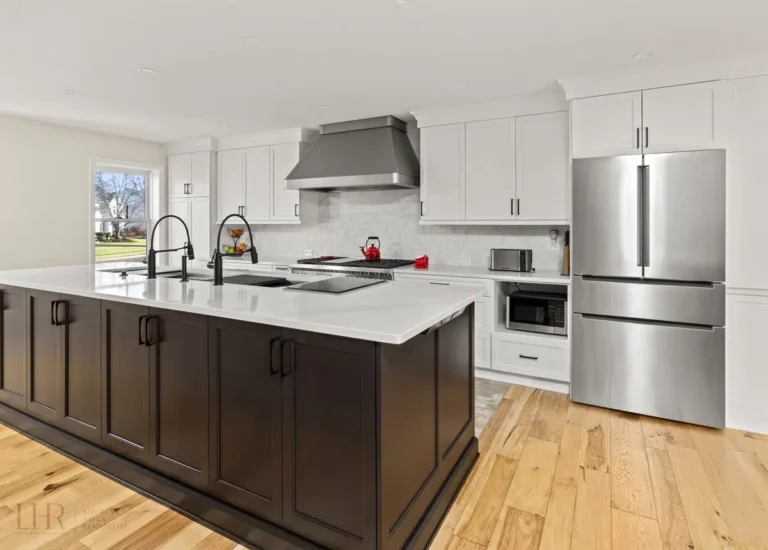
Minimalism is evolving—clean lines, open layouts, and clutter-free rooms are now paired with luxurious touches. Think marble countertops, designer fixtures, statement lighting, and bespoke cabinetry. The mantra is ‘less but better,’ where every element is carefully chosen for both function and beauty. This sophisticated approach lends itself to calming, efficient environments that never skimp on comfort or style.
Final Thoughts
By incorporating these trends, homeowners ensure their custom residences will stand out for years to come. Each choice—from sustainable finishes to adaptable rooms and inviting outdoor escapes—works together to create spaces that are innovative, comfortable, and uniquely tailored to modern living.