Essential Checklist for Upgrading an Older House Before Listing It
Selling an older home brings a unique set of opportunities and challenges. Character-rich architectural details, mature neighborhood trees, and sturdy original craftsmanship are major selling points that modern developments simply cannot replicate. However, today’s real estate buyers are exceptionally cautious. When touring older properties, prospective buyers often look past charming original woodwork and focus heavily on potential repair costs, outdated fixtures, inefficient heating or cooling setups, and high monthly utility expenses.
The goal of preparing an older home for the market is not to conduct a massive, bank-breaking gut renovation. Over-improving a house can quickly eat into your equity and yield a diminishing return on investment. Instead, smart sellers focus on a targeted approach that fixes major red flags, enhances aesthetic appeal, and modernized key functional systems. By prioritizing projects that deliver high visual impact and functional reliability, you can transform a vintage property into a turnkey home that commands top market value and sells quickly.
Maximizing First Impressions Through Exterior Upgrades
First impressions dictate how a buyer perceives the rest of your home. Long before prospective buyers walk through the front door, they have already formed an initial judgment based on your property’s exterior. In real estate, curb appeal sets the emotional tone for the entire showing. If the outside appears neglected, buyers automatically assume the interior maintenance has also been ignored.
Siding Preparation and Fresh Exterior Paint
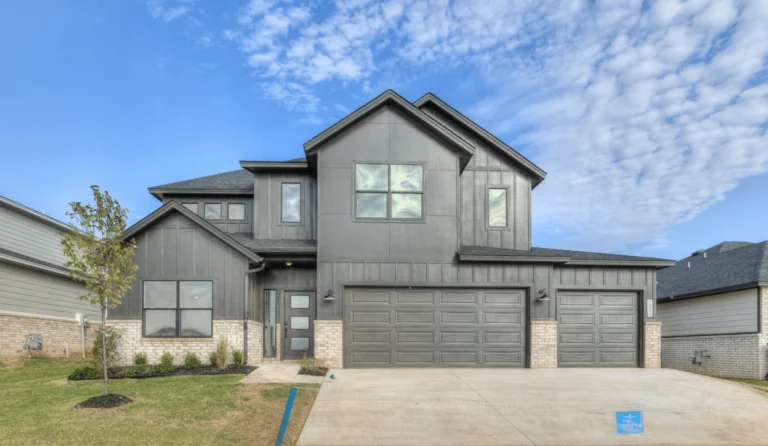
Over time, exterior walls accumulate dirt, mildew, and flaking paint due to relentless exposure to the elements. A simple high-pressure wash can instantly strip away years of grime, revealing a cleaner exterior underneath. If your siding shows significant wear or faded color, applying a fresh coat of modern exterior paint provides one of the highest returns on investment of any pre-listing project. Stick to universally appealing neutral shades such as classic crisp white, warm gray, or subtle greige, balanced with contrasting dark trim. Paying special attention to shutters, fascia boards, and porch railings gives the house a crisp, well-maintained profile that photographs exceptionally well for online real estate listings.
Transforming the Front Entryway
The front door serves as the focal point of your home’s exterior. Prospective buyers stand at the entryway for several minutes while their real estate agent unlocks the lockbox, giving them ample time to inspect every detail of your front porch. Repainting a faded front door in an inviting color like deep navy, forest green, or classic black creates an immediate focal point. Replacing tarnished house numbers, rusted mailboxes, and dated exterior light fixtures with modern matte black or brushed nickel alternatives makes the entryway feel completely modern without requiring major construction.
Clean and Low-Maintenance Landscaping
Overgrown shrubs, sprawling tree branches, and weed-choked flower beds obscure your home’s best architectural features and make yard work feel intimidating to potential buyers. Pruning overgrown bushes back from pathways and window frames immediately brightens indoor spaces by allowing more natural sunlight to enter. Edging the lawn, defining garden borders, and spreading a fresh layer of dark organic mulch creates a clean contrast against lawns and foundation plantings. Choose low-maintenance perennial plants and simple arrangements so buyers view the yard as a relaxing outdoor retreat rather than a source of endless weekend chores.
High-ROI Interior Cosmetic Refreshes
Once inside, the goal is to make the interior feel spacious, light, and ready for immediate move-in. Older homes often suffer from dark wood paneling, heavy drapery, and bold interior paint choices that reflect past trends. Strategic cosmetic updates allow buyers to easily visualize their own furniture and lives inside the space.
Brightening Spaces with Neutral Paint
Paint remains the single most cost-effective tool in home staging. Bold feature walls, outdated wallpaper, or yellowed cream paint can make rooms feel smaller, darker, and out of date. Applying two coats of high-quality interior paint in soft, light-reflecting neutral tones instantly unifies the floor plan and opens up tight spaces. Modern warm whites and light grays maximize natural light throughout the day, creating a clean canvas that makes living areas feel larger and noticeably cleaner.
Restoring and Modernizing Flooring
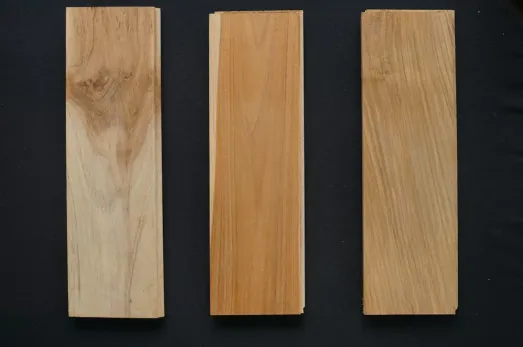
Floors take incredible wear and tear over the decades, making them a primary focus during buyer walkthroughs. If your older home features original hardwood floors hidden underneath worn carpeting, pulling up those old carpets and refinishing the original wood beneath can add substantial value to your listing. For areas where hardwood isn’t present or budget is tight, modern Luxury Vinyl Plank (LVP) flooring provides a durable, waterproof, and visually stunning alternative. LVP can be installed directly over many existing subfloors, instantly transforming dated vinyl or stained carpets into cohesive, modern surfaces.
Updating Hardware and Lighting Fixtures
Light fixtures and door hardware often give away a home’s age faster than anything else. Replacing dated polished brass door handles, worn hinges, and basic builder-grade dome lights with sleek, modern options creates a cohesive design language throughout the residence. Swap out harsh incandescent bulbs for warm, energy-efficient LED lighting to eliminate dark corners and create a warm, welcoming ambiance in every room.
Polishing Kitchens and Bathrooms Without Full Remodels
Full kitchen and bathroom remodels are notoriously expensive and rarely return 100% of their cost when undertaken right before listing. Fortunately, you do not need to tear out walls or replace structural layout lines to make these critical spaces appeal to today’s buyers. Smart cosmetic refreshes in kitchens and bathrooms yield fantastic returns while staying well within a reasonable pre-sale budget.
Cabinet Refinishing and Hardware Upgrades
If your kitchen features structurally sound solid wood cabinets that simply look dark or dated, refinishing or painting them offers a dramatic transformation at a fraction of the cost of total replacement. Painting dark oak or pine cabinets in bright white, soft gray, or deep navy instantly modernizes the entire room. Pair your freshly painted cabinets with contemporary handles or pulls in brushed brass or matte black to give the kitchen an upscale, custom appearance.
Refreshing Countertops and Fixtures
Worn, stained, or chipped laminate countertops can instantly deter buyers who dream of entertaining in a modern kitchen. Replacing old surfaces with durable quartz or budget-friendly granite completely changes the room’s dynamic. If counter replacement falls outside your budget, swapping out a leaky, outdated kitchen faucet for a sleek pull-down model in stainless steel or matte black creates an inexpensive point of high visual interest over the sink.
Sanitary Bathroom Updates
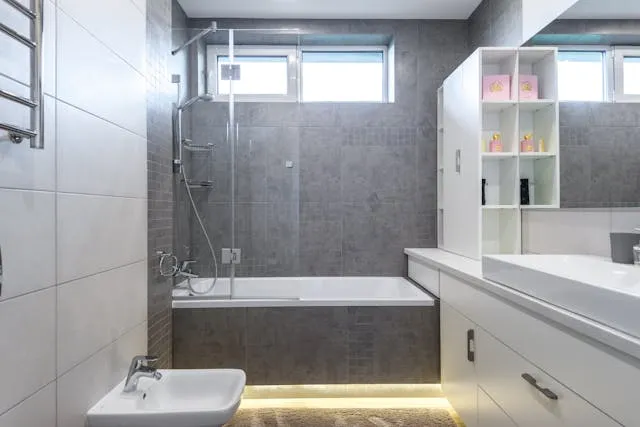
Bathrooms must communicate flawless cleanliness. Discolored grout lines, peeling caulk around tubs, and pitted mirror glass give buyers the impression of neglected hygiene. Scraping out old, mold-stained sealant and applying a fresh, crisp bead of white silicone caulk around sinks, tubs, and shower bases instantly revitalizes the space. Deep cleaning or re-grouting tile surfaces, replacing worn vanity mirrors, and installing modern low-flow faucets ensure your bathrooms look fresh, clean, and entirely move-in ready.
Improving Energy Scores and Buyer Comfort
For owners of older homes, one of the most significant sales hurdles involves energy consumption and seasonal comfort. During hot summer heatwaves, buyers worry about sweltering upstairs bedrooms, while during freezing winter months, they fear drafty windows and staggering heating bills. Demonstrating that your home maintains stable temperatures efficiently throughout every season provides huge peace of mind.
Sealing Air Leaks and Enhancing Insulation
Older homes are notorious for thermal leaks around window frames, exterior door thresholds, attic hatches, and basement rim joists. Simple DIY fixes like applying weatherstripping around doors, caulking around window trim, and sealing gaps around plumbing penetrations keep conditioned air inside where it belongs. Adding a fresh layer of blown-in insulation to the attic space is an affordable upgrade that noticeably stabilizes indoor temperatures during scorching summer afternoons and freezing winter nights, directly lowering monthly utility bills.
Modernizing Heating and Cooling Infrastructure
Traditional heating setups in older homes, such as aging oil boilers, legacy radiators, or noisy window air conditioners, often raise immediate red flags for buyers accustomed to modern climate control. Window units block natural light, rattle loudly, and are notoriously inefficient during humid summer months, while older central units often fail to reach newly converted attics or additions.
Upgrading your climate strategy provides a massive competitive advantage on the real estate market. Installing a reliable mini-split system in hard-to-cool rooms or newly finished living areas gives buyers whisper-quiet, highly localized temperature control without requiring you to tear down plaster walls to run expensive ductwork. These highly efficient heat pump configurations deliver pinpoint cooling during humid summer months and dependable warmth during crisp autumn days and cold winter freezes.
Furthermore, making sure your primary HVAC system is fully serviced prior to listing gives potential buyers total confidence. Replacing worn internal HVAC parts, such as worn blower capacitors, air filters, or failing fan motors, ensures the primary unit operates smoothly, quietly, and efficiently during home inspections. Showcasing an updated, highly functional climate system proves to buyers that the home has been meticulously cared for and will remain comfortable all year long.
Essential Pre-Listing Maintenance and Staging
Before taking professional photography or opening your doors for public open houses, completing a sweep of basic maintenance tasks eliminates minor flaws that might otherwise distract buyers during walkthroughs or cause issues during the home inspection phase.
Resolving Minor Mechanical and Electrical Issues
Small functional glitches suggest hidden deferred maintenance to cautious buyers. Walk through your home with a fine-tooth comb to identify and address minor annoyances:
- Fix running toilets, dripping faucets, and slow-draining sinks.
- Repair sticking doors, loose doorknobs, and cabinet doors that fail to latch cleanly.
- Replace damaged or yellowed electrical outlet faceplates and light switches.
- Ensure all smoke detectors and carbon monoxide alarms are functioning with fresh batteries.
Decluttering, Deep Cleaning, and Staging
Once repairs and cosmetic updates are complete, clear out excess personal items, family photos, and oversized furniture. Older homes often feature smaller closet spaces than modern builds, so clearing out two-thirds of your clothing makes storage spaces feel larger and more generous.
Finally, invest in a thorough professional deep clean. Ensure windows are washed inside and out to maximize incoming light, scrub all baseboards, deep clean tile grout, and eliminate any lingering pet odors. When prospective buyers step into a sparkling clean, comfortably conditioned, and beautifully maintained older home, they see a valuable, turn-key property that is ready to welcome its next chapter.