Flexible LED Strip Systems and Power Solutions for Needs
Introduction to LED strip lighting systems
LED strip systems lighting has become a practical choice in many lighting projects. It offers flexibility, low energy use, and simple installation. These strips fit into homes, offices, and commercial spaces where clean and controlled lighting is needed. The system is not only about light strips. It also depends on stable power delivery and proper matching between components. When planned correctly, it creates reliable and long lasting lighting setups.
Shenzhen Dekingled Co., Ltd. is a lighting manufacturer established in 2014. It focuses on LED strip solutions and related components. Manufacturer Address: 4th Floor, Building C, SanMing Industrial Park, Shiyan Town, Bao’an District, Shenzhen, China
How flexible LED strip lights are used in real environments?
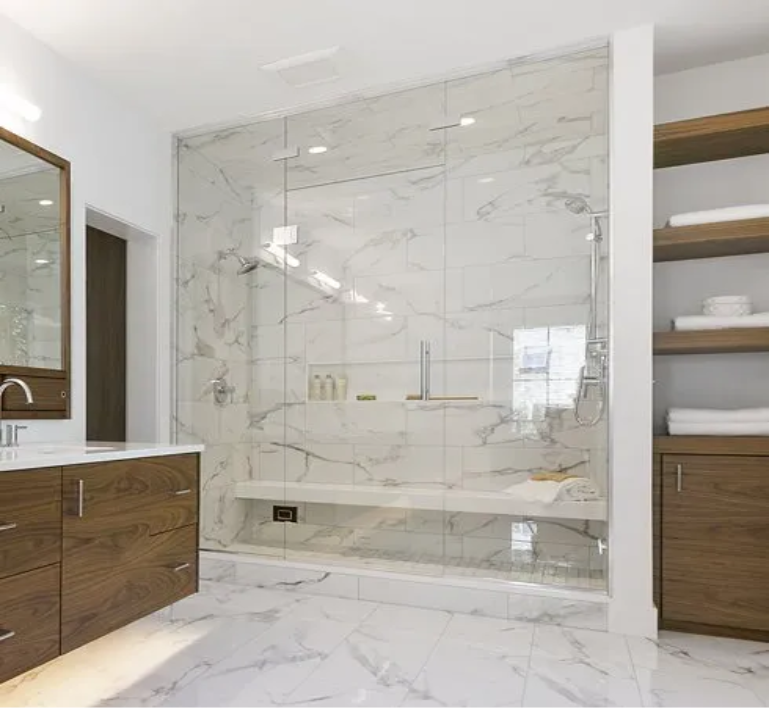
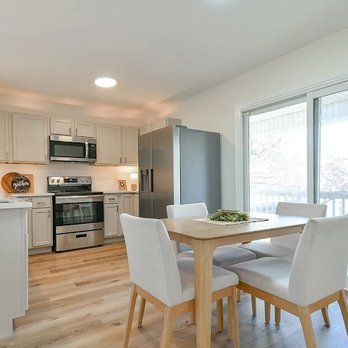
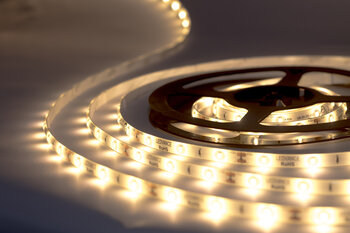
Flexible LED strips are used in many types of lighting setups. They fit well in curved surfaces, narrow spaces, and custom designs. This makes them useful for interior decoration and architectural lighting. They are commonly applied in ceiling coves, corridor lines, furniture lighting, and signage edges. They also support decorative lighting for events and displays.
You can explore product applications and general lighting options through flexible led strip lights factory. These strips are designed with cuttable sections. This helps users adjust length based on installation needs without complex tools.
Read More: Sustainable Residential Landscaping Practices for Homeowners
Key technical factors behind LED strip performance
LED strip performance depends on several technical elements. Voltage type plays a major role. Many strips use 12V or 24V DC systems depending on project size. Brightness is influenced by LED density and chip type. For example, 5050 LED strips offer higher brightness with strong output levels. Waterproof ratings like IP65 and IP68 help in outdoor or moisture exposed areas.
One common specification includes 300 LEDs per 5 meters with power up to 17W per meter. Some RGBW versions operate at 24V DC and support different color temperatures from 2700K to 3000K.
Role of LED power supply in lighting systems
A LED strip cannot work properly without a stable power source. The power supply converts AC power into safe DC voltage. This keeps the lighting stable and prevents damage.
Voltage matching is important. If the power supply does not match the strip requirement, performance drops or failure can happen. Proper wattage calculation also ensures safe operation.
A common option in lighting systems is a LED Power Supply manufacturer which provides different driver types for indoor and outdoor use.
Good power supply selection reduces flicker, improves lifespan, and supports stable brightness across the entire strip.
Common types of LED power supply units
LED power supplies come in different designs. Indoor models are used for small lighting setups. They are compact and easy to install.
Outdoor versions are built with waterproof protection. These are used in signage, building outlines, and exposed environments.
Some drivers support constant voltage output while others are adjustable. Each type is selected based on strip requirements and installation environment.
Read More: Best Practices for Commercial Property Management in Texas
System compatibility between strips and power units
Correct pairing between LED strips and power supplies is important. Voltage mismatch can cause overheating or uneven brightness.
Load calculation also matters. Every meter of strip consumes a specific wattage. The power supply must support total load with extra margin.
Many installation issues happen when wiring or voltage is not checked properly before use.
Practical applications in different industries
LED strip systems are used in many fields. Retail stores use them for shelf lighting and product highlighting. Homes use them for ambient ceiling and wall effects.
They are also used in advertising boards and signage backlighting. Industrial spaces use them for contour marking and safety lighting.
Flexible designs like COB strips and RGB systems help create smooth and uniform lighting effects in modern installations.
Product and technical highlights from LED strip range
Different LED strip models offer different features. COB strips provide smooth lighting without visible dots. SMD5050 RGB strips support color control with IC-based systems.
Some common features include cuttable segments, adhesive backing, and multiple voltage options like 12V and 24V.
One featured product is Free-cutting 12/24V COB LED Strip.
SMD5050 RGB LED strips support up to 50,000 hours lifespan and wide beam angles for decorative use.
Closing overview of LED strip systems
LED strip lighting works best when all components are matched properly. The strip, power supply, and controller must operate in balance.
With correct planning, lighting systems remain stable, efficient, and long lasting. Careful selection helps avoid performance issues and installation errors.
For technical support and product guidance, Shenzhen Dekingled Co., Ltd. provides LED lighting solutions across different project types and environments.