
Google’s AI Search Mode Brings 2025 Travel Planning and Booking Tools
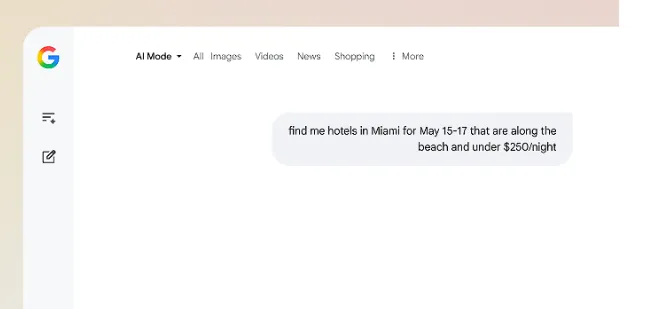
Google recently rolled out new travel planning and booking capabilities inside its AI Search Mode. The update includes a tool called Canvas to build trip itineraries, a global launch of AI-powered Flight Deals, and agentic booking features for restaurants, hotels and reservations. The expansion signals a deeper shift as Google moves from being a search engine to becoming a full-service travel assistant. As travelers look for convenience, accuracy, and seamless experiences, Google is positioning its AI Search Mode as a full-service travel companion capable of handling everything from research and itinerary creation to reservations and real-time updates.
Also Read: How to Furnish Guest Rooms for Rocklin Homes With Frequent Visitors
What the New Tools Deliver
The Canvas tool lets users describe their ideal trip, dates, budget, destination preferences, and receive a structured travel plan in a side-panel interface. Results include real-time flight and hotel options, maps data, photos and reviews, and curated recommendations for restaurants and activities. Users can refine the plan via follow-up prompts to adjust for preferences like travel time, budget, or attraction types.
Flight Deals, previously limited to select countries, now reach more than 200 countries and territories, offering AI-generated destination suggestions and fare bargains. The expansion supports over 60 languages, making the tool accessible to global travelers.
Agentic booking is also being rolled out more widely. Through AI Mode users can now directly reserve restaurants and plan local appointments. Hotels and flights booking through partners such as Booking.com, Expedia, and major chains are planned in coming phases.
Why This Could Disrupt Travel and Online Content Markets
By condensing research, comparison, and booking into a single interface, Google effectively reduces the role of separate travel search and booking platforms. Traditional travel agencies, hotel comparison sites, and content publishers may see declining referral traffic.
At the same time, visibility in this new AI-powered paradigm depends heavily on how easily AI systems can parse a site’s content and structure. Sites with outdated architecture, missing metadata, or poor technical performance may be overlooked by AI Mode, even if they offer valuable content.
This makes a comprehensive website review critical. A full website audit for better AI visibility can identify performance bottlenecks, structural weaknesses, schema or metadata omissions, and outdated linking or asset loading strategies. Fixing these problems improves chances that AI Mode will surface a site’s content to users who rely on Google for full travel planning and booking.
Strategic Advice for Publishers and Travel-Related Businesses
Businesses in travel, hospitality, media or content creation should act now. Ensuring technical readiness and content clarity gives you a better shot at visibility in AI-powered search. Audit your site, fix structural issues, and ensure metadata and schema are current. That groundwork may become the decisive factor in whether your content appears in AI Mode results.
Anatolii Ulitovskyi, CEO at UNmiss says:
“Google’s move turns Search into a full travel marketplace. As AI now builds itineraries, shows deals and enables bookings, traditional SEO and referral-based traffic paths will shrink. Only websites with clean architecture, transparent metadata, and solid technical backbone will appear in AI-driven travel results. A detailed website audit gives businesses the insights they need to survive this transformation.”