How Heavy-Duty Trucks Keep Industries Moving Efficiently
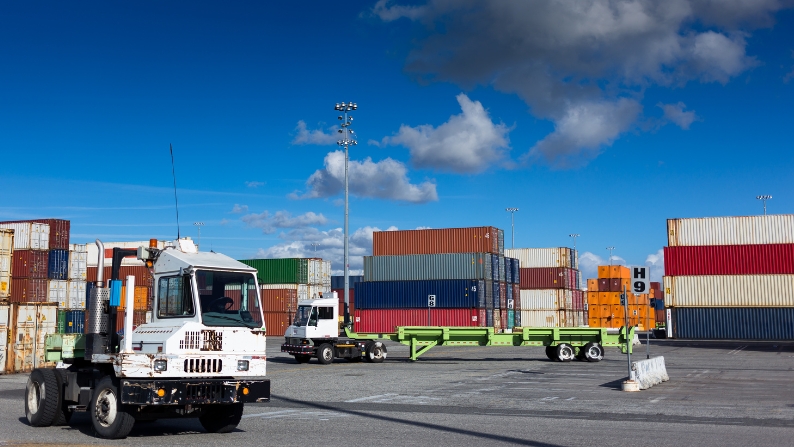
Heavy-duty trucks form the backbone of modern industrial logistics, handling everything from construction materials to manufactured goods across supply chains worldwide. These workhorses, classified as Class 7 and 8 vehicles with gross vehicle weight ratings above 11,794 kilograms, move an estimated 72% of all freight tonnage in countries like the United States and Australia. Without them, manufacturing plants would stall, construction sites would sit idle, and retail shelves would empty within days. The sheer scale of their operations is staggering, with over 3.9 million heavy-duty trucks registered in the US alone as of 2023, collectively logging more than 200 billion kilometers annually.
Power and Performance That Drives Commerce
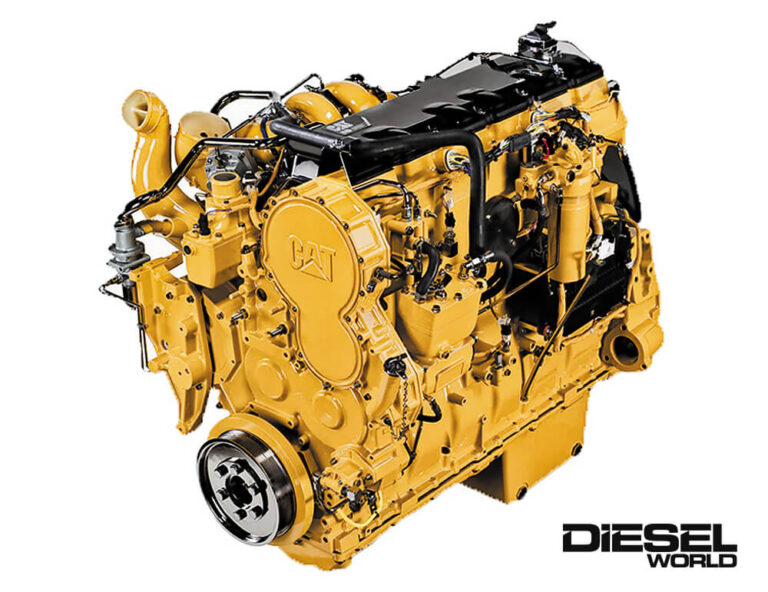
The engines in these trucks aren’t messing around. Most heavy-duty trucks run diesel engines ranging from 11 to 16 liters in displacement, producing between 350 and 605 horsepower with torque ratings hitting 2,050 pound-feet or higher. That torque is what matters when you’re pulling 36,000 kilograms up a mountain grade.
Real-world applications show why this power matters. A construction company in Texas reported their fleet of Kenworth T880s with Cummins X15 engines could maintain 80 km/h while hauling fully loaded aggregate trailers on interstate highways, keeping project timelines tight. Compare that to older trucks from the 1990s that struggled to hit 65 km/h with similar loads.
Transmission technology has jumped forward too. Automated manual transmissions like the Eaton Fuller Advantage now handle shift optimization better than most drivers can manually, improving fuel economy by 2-3% while reducing clutch wear. That might not sound huge, but on a truck burning 100,000 liters of diesel yearly, it’s 2,000-3,000 liters saved.
Durability Engineering for Million-Mile Lifespans
These trucks are built to last way longer than passenger vehicles. Manufacturers design heavy-duty trucks for a B10 life (point at which 10% of engines fail) exceeding 1.6 million kilometers. Freightliner and Volvo both offer warranty packages covering up to 1 million miles on certain powertrain components.
Frame construction uses high-strength steel rails with yields of 110,000 to 120,000 psi, able to handle the constant flexing and stress of loaded operation. Fifth wheel ratings typically range from 20,000 to 25,000 kilograms, with reinforced mounting systems distributed across multiple cross members.
Suspension systems take incredible punishment. Heavy-duty trucks use either leaf spring setups (still common for severe-duty applications) or air ride systems that can adjust ride height and stiffness based on load. Air suspension extends trailer life by reducing vibration transfer, with studies showing up to 40% less cargo damage during transport compared to rigid suspension systems.
Economic Impact Across Sectors
Mining operations depend entirely on heavy-duty trucks for moving equipment. A single Caterpillar 793F mining haul truck costs around $5 million but can move 240 tonnes per load, with fleets running 24/7 operations that move millions of tonnes monthly.
Agriculture’s harvest seasons would collapse without heavy-duty logistics. During Australian wheat harvest, trucks move roughly 30 million tonnes from farms to storage and export terminals in a three-month window. The logistics coordination involves thousands of trucks operating on tight schedules to prevent grain spoilage.
Technological innovations increase fleet efficiency
Modern heavy trucks are becoming smarter due to advanced technology integration, which improves both safety and operational efficiency. Telematics systems now allow fleet managers to track vehicle health in real time, monitor fuel consumption, and optimize routes using live traffic data. Features such as adaptive cruise control, lane assist, and automatic braking significantly reduce accidents – a significant advantage in high-risk environments such as long-haul freight corridors. Predictive maintenance tools also help identify developing mechanical problems before they cause equipment failure, saving businesses thousands in repair costs and downtime. As these technologies continue to evolve, fleets can operate with greater accuracy, reliability, and consistency than ever before.