How HPE ProLiant 1U Servers Improve Data Centers’ Efficiency
Modern data centers operate under constant pressure to deliver higher performance while keeping energy consumption and operational costs under control. As digital services expand and workloads become more demanding, efficiency is no longer optional. It has become a core requirement for sustainable IT operations. In this context, server form factor and design play a crucial role, and HPE ProLiant 1U servers stand out as a practical solution for improving overall data center efficiency.
These compact servers are designed to deliver strong performance within a minimal physical footprint. By focusing on density, power optimization, and intelligent management, they help organizations make better use of available resources without compromising reliability.
Understanding the Role of 1U Servers in Modern Data Centers
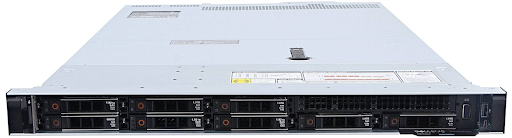
A 1U server occupies just one rack unit of space, making it ideal for environments where rack density matters. Compared to larger form factors, 1U servers allow data centers to deploy more compute capacity within the same physical footprint.
HPE has refined its 1U server designs to balance space efficiency with performance. These systems support modern processors, high-speed memory, and flexible storage options, making them suitable for a wide range of workloads. From web services and virtualization to lightweight analytics, 1U servers support essential operations while helping reduce infrastructure sprawl.
Energy Efficiency Through Optimized Hardware Design
Energy efficiency starts at the hardware level. HPE ProLiant 1U servers are engineered with components that deliver strong performance per watt. Efficient processors, optimized power supplies, and intelligent thermal designs work together to reduce unnecessary energy usage.
Advanced airflow management helps maintain stable temperatures even in densely packed racks. By minimizing hotspots and improving cooling efficiency, data centers can reduce reliance on aggressive cooling systems. This directly lowers energy consumption and contributes to more sustainable operations over time.
Maximizing Rack Density Without Sacrificing Performance
One of the key advantages of 1U servers is their ability to maximize rack density. More servers per rack mean higher compute capacity without expanding floor space. This is especially valuable in colocation facilities or data centers with limited physical expansion options.
Deploying an HPE Proliant 1U server allows organizations to increase processing power while keeping infrastructure compact. This density supports efficient scaling, enabling data centers to grow capabilities incrementally rather than through large, disruptive upgrades.
Supporting Virtualization and Consolidation Strategies
Virtualization remains a cornerstone of efficient data center design. HPE ProLiant 1U servers are well-suited for virtualized environments, supporting multiple virtual machines on a single physical system.
By consolidating workloads, organizations can reduce the total number of servers required. Fewer physical servers lead to lower power usage, reduced cooling demand, and simplified management. This consolidation improves resource utilization and helps data centers operate more efficiently without sacrificing application performance.
Intelligent Power Management Features
Beyond hardware efficiency, intelligent power management plays a critical role in reducing operational costs. HPE integrates advanced power monitoring and control features into its server platforms.
These capabilities allow IT teams to track power usage in real time, set consumption thresholds, and optimize workloads accordingly. Better visibility into energy use helps organizations identify inefficiencies and make informed decisions that improve overall data center performance.
Simplifying Cooling and Thermal Management
Cooling is one of the largest contributors to data center energy consumption. Inefficient server designs can lead to excessive heat output, driving up cooling costs.
HPE ProLiant 1U servers are designed with optimized airflow paths that improve heat dissipation. This reduces strain on cooling systems and helps maintain consistent operating temperatures across racks. Improved thermal efficiency not only lowers energy costs but also extends hardware lifespan by reducing heat-related wear.
Scalability That Aligns With Efficiency Goals
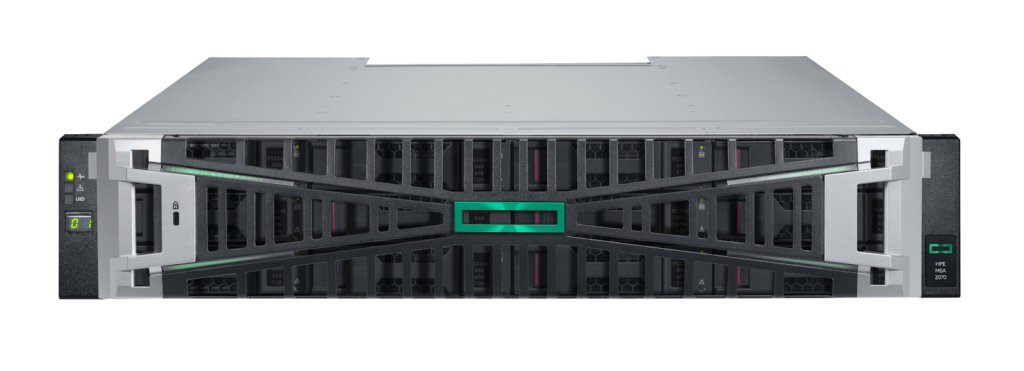
Efficient data centers must be able to scale without introducing unnecessary complexity or waste. HPE ProLiant 1U servers support scalable configurations that allow organizations to add compute capacity as needed.
Instead of deploying oversized systems upfront, data centers can scale incrementally. This approach aligns infrastructure growth with actual demand, preventing overprovisioning and reducing idle power consumption. Scalability becomes more controlled, predictable, and cost-effective.
Reliability and Uptime in Dense Environments
Efficiency is not just about energy savings; it also involves minimizing downtime and operational disruption. HPE ProLiant servers are built with enterprise-grade reliability features that support continuous operation in dense environments.
Redundant components, robust firmware management, and comprehensive diagnostics help maintain uptime. Reliable systems reduce the need for emergency interventions, which often consume additional resources and disrupt efficiency-focused strategies.
Enabling Modern and Edge Workloads
As data centers evolve, workloads are becoming more distributed. Edge computing, microservices, and cloud-native applications require compact, efficient systems that can be deployed flexibly.
HPE rackmount servers, including 1U configurations, are increasingly used in edge and hybrid environments. Their compact design and efficiency make them suitable for locations where space and power are limited, while still delivering dependable performance.
Reducing Operational Overhead Through Smart Management
Operational efficiency depends heavily on how easily infrastructure can be managed. HPE integrates centralized management tools that simplify monitoring, updates, and troubleshooting across server fleets.
By reducing manual intervention and streamlining routine tasks, IT teams can manage more systems with fewer resources. This operational efficiency complements energy savings, creating a more balanced and sustainable data center environment.
Aligning Energy Efficiency With Business Objectives
Energy efficiency is no longer just a technical concern. It directly affects operating costs, sustainability goals, and long-term business strategy. HPE ProLiant 1U servers help organizations align IT infrastructure with these broader objectives.
Lower energy consumption leads to reduced operational expenses, while efficient designs support environmental responsibility. Together, these benefits strengthen an organization’s ability to compete in an increasingly efficiency-driven market.
Building a More Efficient Data Center Strategy
Data center efficiency is achieved through a combination of smart design, scalable infrastructure, and reliable technology. HPE ProLiant 1U servers contribute to this strategy by offering compact performance, intelligent power management, and dependable operation.
Rather than focusing on short-term gains, these servers support long-term efficiency improvements that benefit both IT operations and business outcomes.
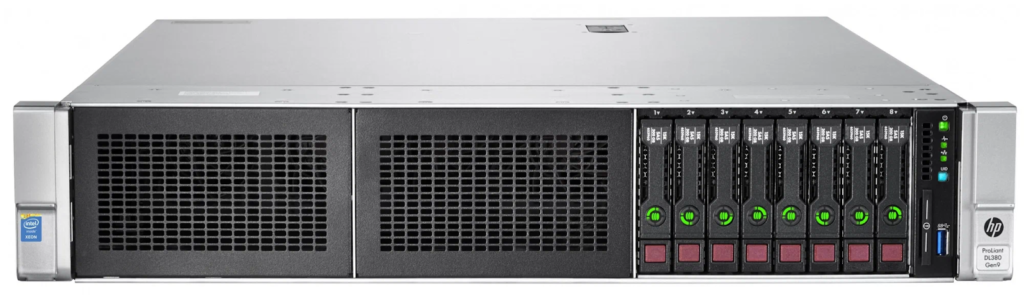
Moving Toward Smarter Infrastructure Choices
Choosing efficient server platforms is a critical step toward modernizing data centers. Compact, well-optimized systems help organizations reduce waste while maintaining performance and reliability.
For businesses evaluating dependable server options, Cloud Ninjas provides access to trusted HPE solutions and expert guidance. Working with an experienced provider can help ensure that infrastructure decisions support both efficiency goals and future growth.