
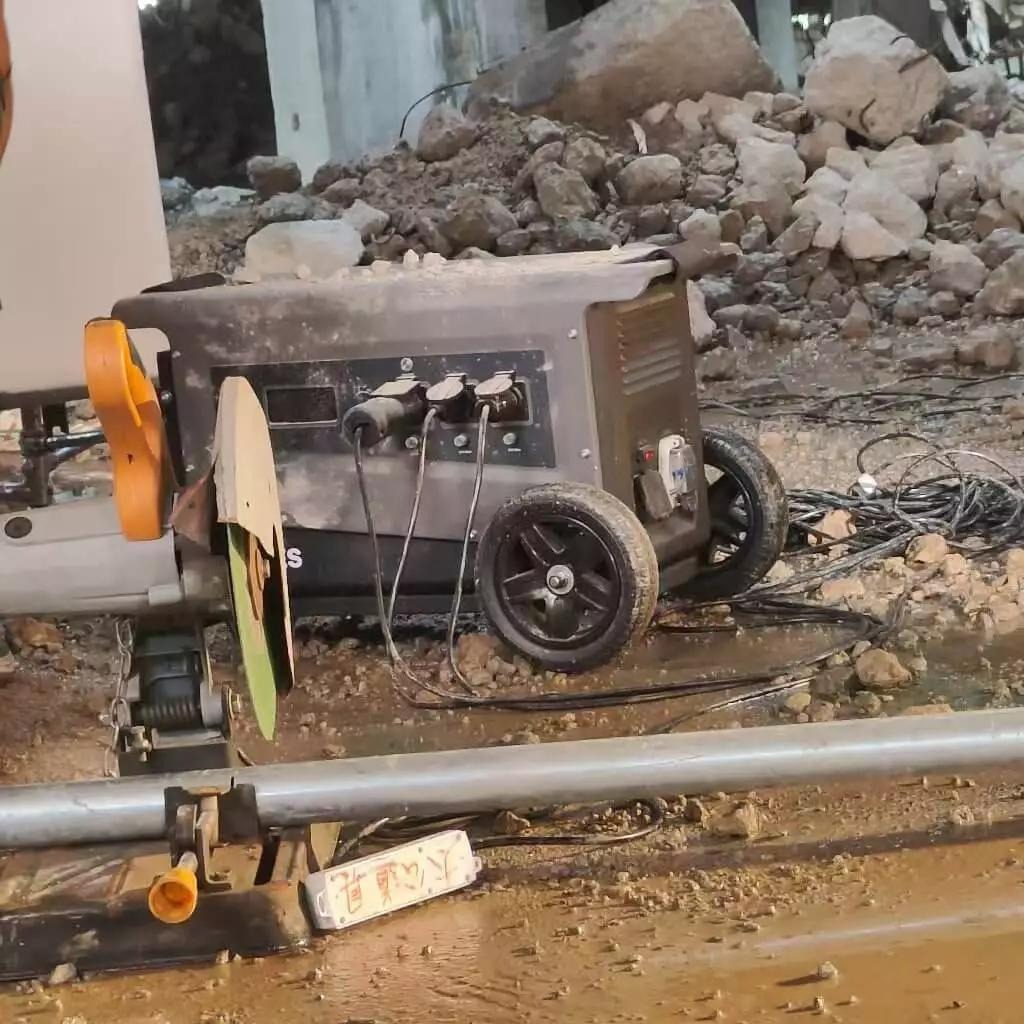
How Industrial Power Stations Support Reliable Energy for Large Manufacturing Facilities
Large manufacturing facilities depend heavily on stable and uninterrupted power to maintain productivity, safety, and operational efficiency. In modern industrial environments, automated machinery, control systems, monitoring devices, and communication networks all rely on consistent electrical energy. Any disruption in power supply can lead to equipment shutdowns, production delays, and costly downtime. This is why a reliable Industrial Power Station plays a crucial role in supporting energy demands within large-scale production environments. In some cases, backup solutions such as a Portable Power Station 5000w are also used to ensure that critical systems continue operating even during unexpected power interruptions.
The Role of Power Infrastructure in Manufacturing
Manufacturing plants use a wide range of equipment including robotic systems, assembly lines, heating units, cooling systems, and quality control devices. All these systems require a dependable energy source to function properly.
A well-designed power infrastructure ensures that electricity is distributed evenly throughout the facility. It also protects equipment from voltage fluctuations and power failures. By maintaining a consistent energy supply, production lines can operate continuously without unexpected interruptions.
Reliable power infrastructure also helps maintain product quality. Many industrial processes require precise temperature control, accurate timing, and stable machine performance. Without consistent power, these processes may produce defective or inconsistent products.
Importance of Energy Stability in Industrial Operations
Preventing Production Downtime
One of the most significant challenges in manufacturing is unplanned downtime. When power interruptions occur, machines stop working immediately, which may result in halted production lines and unfinished products.
A stable power system prevents sudden shutdowns and allows factories to operate continuously. Even short interruptions can disrupt automated processes and require time-consuming system resets before production can resume.
Protecting Expensive Equipment
Industrial machinery is often highly sophisticated and expensive. Sudden power surges or voltage drops can damage internal electronic components, control boards, and motors.
Reliable energy management protects equipment from electrical stress and extends the operational lifespan of machines. This reduces maintenance costs and improves overall system reliability.
Supporting Automation Systems
Modern factories rely heavily on automated processes. Controllers, sensors, and monitoring devices must communicate with each other continuously to maintain efficient production.
Stable power ensures that these systems operate without interruptions. This allows automated manufacturing processes to run smoothly and maintain high productivity levels.
Key Components of Industrial Power Systems
Power systems used in large manufacturing facilities typically include several essential components working together to provide reliable electricity.
Power Generation Units
Energy can be generated using various methods depending on the facility’s infrastructure. Some facilities rely on centralized grid power, while others use internal generation systems to meet their energy needs.
These systems provide the primary electrical supply required for daily operations.
Power Distribution Networks
Once energy is generated or received, it must be distributed throughout the facility. Power distribution systems include transformers, circuit breakers, and electrical panels that deliver electricity to different areas of the plant.
Proper distribution ensures that each machine and production unit receives the correct voltage and current levels.
Energy Monitoring Systems
Energy monitoring tools help track power usage and detect potential issues. These systems measure voltage, current, and energy consumption in real time.
By analyzing this data, facility managers can identify inefficiencies and implement improvements to optimize energy usage.
Backup Power Solutions for Manufacturing Facilities
Even the most reliable power systems may experience unexpected failures due to external factors such as grid outages or severe weather conditions. To maintain operational continuity, manufacturing facilities often implement backup power solutions.
Emergency Power Systems
Backup generators or battery systems can provide temporary power during outages. These systems allow essential equipment to continue operating until the primary power supply is restored.
Emergency power systems are especially important for critical processes that cannot be interrupted.
Mobile Energy Solutions
Portable power systems are increasingly being used as flexible energy solutions in industrial environments. These systems can be moved to different areas of the facility depending on operational requirements.
Mobile power solutions are useful for maintenance work, remote equipment operation, and temporary energy needs.
Features of Modern Portable Energy Systems
Modern portable power technology has evolved significantly, offering powerful and environmentally friendly energy solutions suitable for industrial environments.
Quiet and Environmentally Friendly Operation
Many portable energy systems are designed to operate with minimal noise and without producing harmful emissions. This makes them suitable for indoor industrial environments where noise and pollution must be minimized.
High Energy Capacity
Advanced portable power units can store large amounts of energy and deliver significant output power. With high-capacity batteries and strong output capabilities, these systems can support various industrial tools and equipment.
Fast Charging Capabilities
High-speed charging technology allows portable power units to recharge quickly. Fast charging ensures that backup systems remain ready for use whenever they are needed.
Expandable Energy Storage
Some portable systems allow additional battery units to be connected, significantly increasing total energy capacity. This scalability makes them suitable for both small and large industrial applications.
Durable Environmental Protection
Industrial environments often expose equipment to dust, moisture, and harsh conditions. Portable energy units designed with protective enclosures and waterproof ratings can operate reliably in these demanding settings.
Improving Energy Efficiency in Manufacturing
Energy efficiency has become a major focus for industrial facilities. Efficient power management helps reduce operational costs while supporting sustainable manufacturing practices.
Smart Energy Management
Advanced monitoring systems allow facilities to track energy consumption and identify areas where improvements can be made. Smart energy management reduces waste and improves overall efficiency.
Load Balancing
Distributing electrical loads evenly across the power system prevents overload conditions and maintains stable voltage levels. Balanced power usage improves system reliability and prevents equipment damage.
Preventive Maintenance
Regular inspection and maintenance of electrical equipment ensure that power systems continue operating efficiently. Preventive maintenance helps identify potential issues before they cause major disruptions.
Conclusion
Reliable energy supply is essential for maintaining productivity and efficiency in large manufacturing facilities. Stable electrical infrastructure supports automated systems, protects valuable equipment, and prevents costly production downtime. A well-designed Industrial Power Station provides the foundation for consistent energy distribution across the entire facility, ensuring that machines and control systems operate smoothly. In addition, flexible backup solutions such as a Portable Power Station 5000w provide portable, environmentally friendly energy support with features like high capacity storage, fast charging capability, expandable battery systems, and durable protection. Together, these power solutions help modern manufacturing environments maintain reliable operations and meet the growing energy demands of industrial production.