
How Proper Tree Care Can Preserve Your Landscape
Key Takeaways
- Regular pruning ensures healthier, safer trees and improved structure.
- Innovative watering practices prevent root stress and disease.
- Seasonal care addresses threats and maximizes growth potential year-round.
- Expert advice is essential for diagnosing problems and mitigating risks.
Table of Contents
- The Importance of Regular Pruning
- Effective Watering Practices
- Seasonal Tree Care Tips
- When to Seek Professional Assistance
- Common Tree Care Mistakes to Avoid
- Conclusion
Healthy trees are an essential part of any landscape, providing shade, environmental benefits, and significant curb appeal. Without proper maintenance, even the hardiest trees can become hazards or lose their beauty. Investing in quality tree care ensures your trees continue to thrive for years to come. If you are looking for professional support, finding a trusted tree service in Tega Cay can make all the difference in protecting your landscape’s value and integrity.
Proper tree care is not only about aesthetics. It also supports overall landscape health and safety. Knowing when and how to prune, water, and monitor your trees helps prevent disease, structural issues, and property damage. Regular attention is far less costly than repairing storm damage or dealing with fallen branches after neglect. For homeowners and property managers, underfunding the best practices for tree maintenance is a worthwhile investment. This guide will walk through proven strategies for keeping your trees and your landscape as healthy as possible.
It is also essential to consider how tree health interacts with local features such as water management systems. In particular, integrating retention pond vegetation management into your maintenance plan helps balance the ecosystem while protecting surrounding infrastructure.
The Importance of Regular Pruning
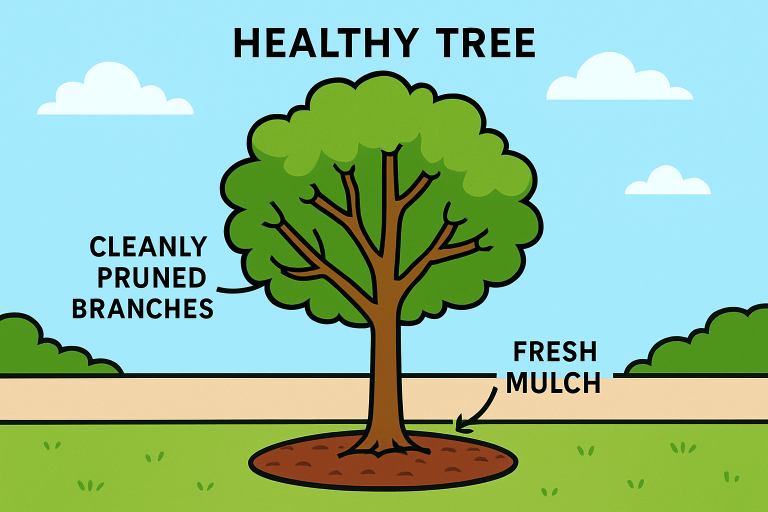
Routine pruning is fundamental to maintaining the health, shape, and safety of your trees. Removing dead or diseased limbs prevents hazards such as falling branches and helps the tree channel its energy into healthy growth. Strategic pruning, performed at the right times of year, can encourage stronger structure, better airflow, and increased resilience against high winds or storms.
Professional tree care resources, such as the Arbor Day Foundation, emphasize the importance of making clean, precise cuts to minimize stress on the tree. Every cut changes the way a tree grows, so careful planning and knowledge of each species’ growth habits are crucial. Avoid excessive or improper cuts, as these can leave the tree vulnerable to disease and pest infestation.
Effective Watering Practices
Consistent and appropriate watering is a basic element of tree care, yet it often goes overlooked. Both overwatering and underwatering create serious problems: too much water can suffocate roots and promote rot, while too little can cause drought stress, weak growth, and increased susceptibility to disease. The amount and frequency of water needed depend on factors such as the tree’s age, species, location, and recent weather patterns. Young, newly planted trees require more frequent watering to establish healthy root systems, while mature trees generally need deeper, less frequent irrigation.
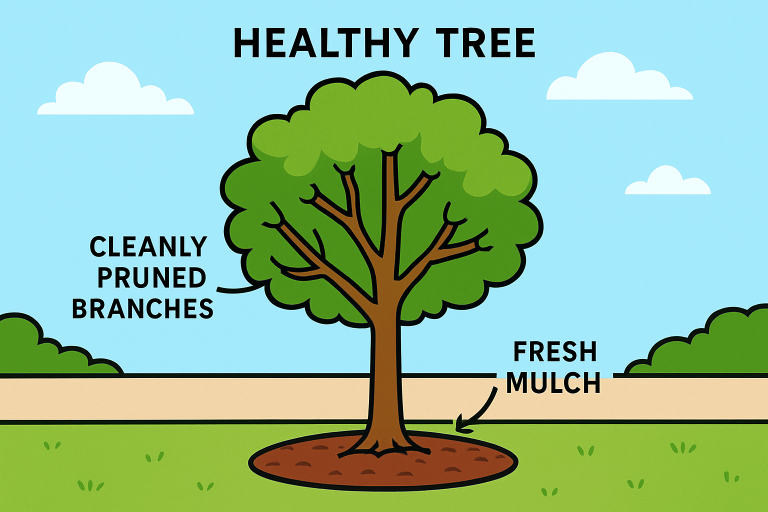
Mulching can aid in severe retention and root protection, but should be done thoughtfully. Avoid piling mulch directly against the trunk, as this can create moisture problems and invite pests. Learn more about proper mulching and watering at Arbor Day Foundation, which provides trusted advice for gardeners of all experience levels.
Seasonal Tree Care Tips
Each season introduces unique challenges for tree health. Late winter and early spring are usually the prime seasons for pruning many species, as trees are dormant and less likely to become stressed by trimming. However, it is crucial to recognize exceptions. For example, oaks are highly susceptible to oak wilt, a harmful fungal disease that can spread via pruning wounds at certain times. Check with local extension services or certified arborists to tailor your timing.
Fallen leaves and debris, especially in autumn, should be cleared regularly to reduce the likelihood of fungal infections come spring. In summer, monitor for drought stress and insect activity. Winter care should focus on protecting roots from freezing temperatures with an extra layer of mulch and monitoring for damage after ice or snow events.
When to Seek Professional Assistance
Certain tree issues go beyond what standard at-home care can address. When you notice advanced decay, large dead branches, signs of serious disease, or a tree that is dangerously close to structures or power lines, it is time to consult a certified arborist. These professionals can provide a thorough health assessment, recommend treatments, or safely perform removals that reduce risk to people and property. Taking proactive steps with expert help is often less costly and much safer than waiting until emergencies arise.
Common Tree Care Mistakes to Avoid
Poor tree maintenance decisions can have lasting impacts on your landscape’s safety and aesthetic appeal. Over-pruning or the practice known as “topping” (removing all large branches or the main canopy) severely weakens trees and makes them more susceptible to disease and storm damage. Planting trees too close to buildings, fences, or utility lines can also lead to future headaches as roots and branches grow. Always consider a tree’s mature size when selecting new plantings, and prioritize diversity in your landscaping to reduce vulnerability to pests and diseases. For further guidance on avoiding mistakes, resources from larger authorities, such as HGTV’s landscaping guide, are helpful.
Conclusion
Investing effort in proper tree care not only promotes the health and beauty of your landscape but also increases property value and cultivates long-term safety. By regularly pruning, responsibly watering, performing seasonal maintenance, and seeking professional guidance when needed, your trees can remain strong assets for generations. Remember that thoughtful tree care is an ongoing process, one that pays generous dividends in environmental benefits, personal enjoyment, and neighborhood appeal.