How to Prevent Costly Water Heater Repairs at Home
Homeowners often overlook the importance of water heater maintenance until problems arise, resulting in costly repairs or even full replacements. By practicing preventive care and being vigilant for early warning signs, you can avoid emergency situations and maintain a steady supply of hot water. For those seeking immediate assistance with their hot water system, water heater repair in Salt Lake City are readily available to address urgent needs and provide expert guidance.
Caring for your water heater translates into greater efficiency, lower utility bills, and fewer surprises. With just a few simple actions each year, your water heater will serve you reliably for years to come. Implementing these tips and being proactive about any irregularities can greatly enhance your household’s comfort and safety.
Also Read: The Role of Civil Engineering in Infrastructure Development
Neglecting water heater upkeep puts your home at risk for leaks, water damage, and unnecessary energy expenses. Taking the time to learn basic maintenance strategies gives you control over the system’s longevity. Many of these tasks are straightforward for homeowners to complete, allowing you to manage your home’s plumbing with confidence and avoid unplanned disruptions.
Beyond staying on top of routine care, recognizing when to seek professional help is crucial. Small symptoms, such as unusual noises, temperature fluctuations, or discolored water, can be early indicators of underlying issues that should not be ignored. Addressing concerns quickly ensures your water heater operates efficiently, protects your home, and keeps utility costs manageable.
Regular Maintenance
The backbone of avoiding expensive water heater repairs is consistent, annual maintenance. One of the most critical actions is flushing your water heater tank at least once a year. This flush removes sediment deposits that naturally accumulate at the bottom of the tank over time. If sediment is allowed to build up, it can cause the unit to overheat, corrode, or fail. Remove debris and check the pressure relief valve to ensure proper functionality.
Optimal Temperature Settings
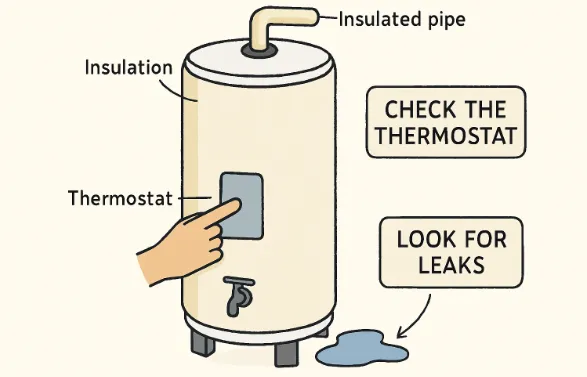
Water heater thermostats are often set too high. Experts recommend maintaining your heater at 120°F (49°C), which reduces energy use, minimizes mineral scaling inside the tank, and lowers the risk of accidental scalding. If your heater is set too high, you are spending more on energy than needed and increasing wear on internal components. Checking and adjusting your thermostat is a quick and effective way to keep utility bills in check while ensuring your home’s safety and comfort.
Insulating the Tank and Pipes
Upgrading insulation around your water heater tank and the nearby piping delivers immediate efficiency gains. Insulating hot water pipes helps reduce heat loss during transit, keeping water at the desired temperature for longer. Likewise, insulating the tank itself—especially if it is located in an unheated basement or garage—prevents standby heat loss, which drives up energy costs. According to the U.S. Department of Energy, these easy-to-install jackets and foam sleeves can pay for themselves in under a year through lower energy bills.
Detecting and Addressing Leaks
Water leaks pose a serious threat to both your water heater and home. Unresolved leaks can lead to extensive water damage, mold growth, and substantial repair bills. Make it a habit to inspect the area around your water heater for signs of trouble, such as puddles, rust, corrosion, or moisture build-up. Checking connections, the temperature and pressure relief valve, and the tank itself ensures that small leaks are caught before they escalate. If you notice any leakage, shut off power to the unit and call a plumbing professional immediately to limit damage and address the root cause.
Managing Water Quality
Hard water—water that’s high in minerals like calcium and magnesium—can be detrimental to your water heater’s efficiency and lifespan. Mineral deposits settle at the bottom of the tank, creating an insulating barrier that forces the unit to work harder and shortens its life. Installing a water softener or regularly applying descaling treatments can protect your heater from premature aging. Pay attention to any visible sediment in your water or noise coming from the tank, as these are signs that addressing water quality may be necessary.
Utilizing Vacation Mode
When leaving your home for vacation or a long trip, put your water heater into “vacation mode” if available. This feature reduces the temperature setting to a minimum yet safe level, saving energy and reducing unnecessary heating cycles while you’re away. Preventing the system from running at full capacity during periods of non-use also helps minimize the risk of sediment buildup and corrosion, which are often caused by stagnant water.
Scheduling Professional Inspections
Annual inspections from a qualified professional plumber are vital for long-term reliability and peace of mind. Plumbers are trained to spot early warning signs and subtle issues that homeowners may miss, including faulty thermostats, compromised anode rods, or developing leaks. These scheduled checkups provide an extra layer of protection against system failure, ensuring your water heater continues to deliver hot water safely and efficiently throughout the year.
Final Thoughts
Preventing unexpected water heater repairs in your home is achievable through careful, routine maintenance, early problem detection, and energy-efficient upgrades. By insulating the tank, monitoring temperature settings, and proactively addressing leaks or mineral buildup, you’ll maximize the lifespan of your water heater and safeguard your home. Make regular professional inspections part of your maintenance routine for complete confidence in your home’s hot water system and consistent energy savings.