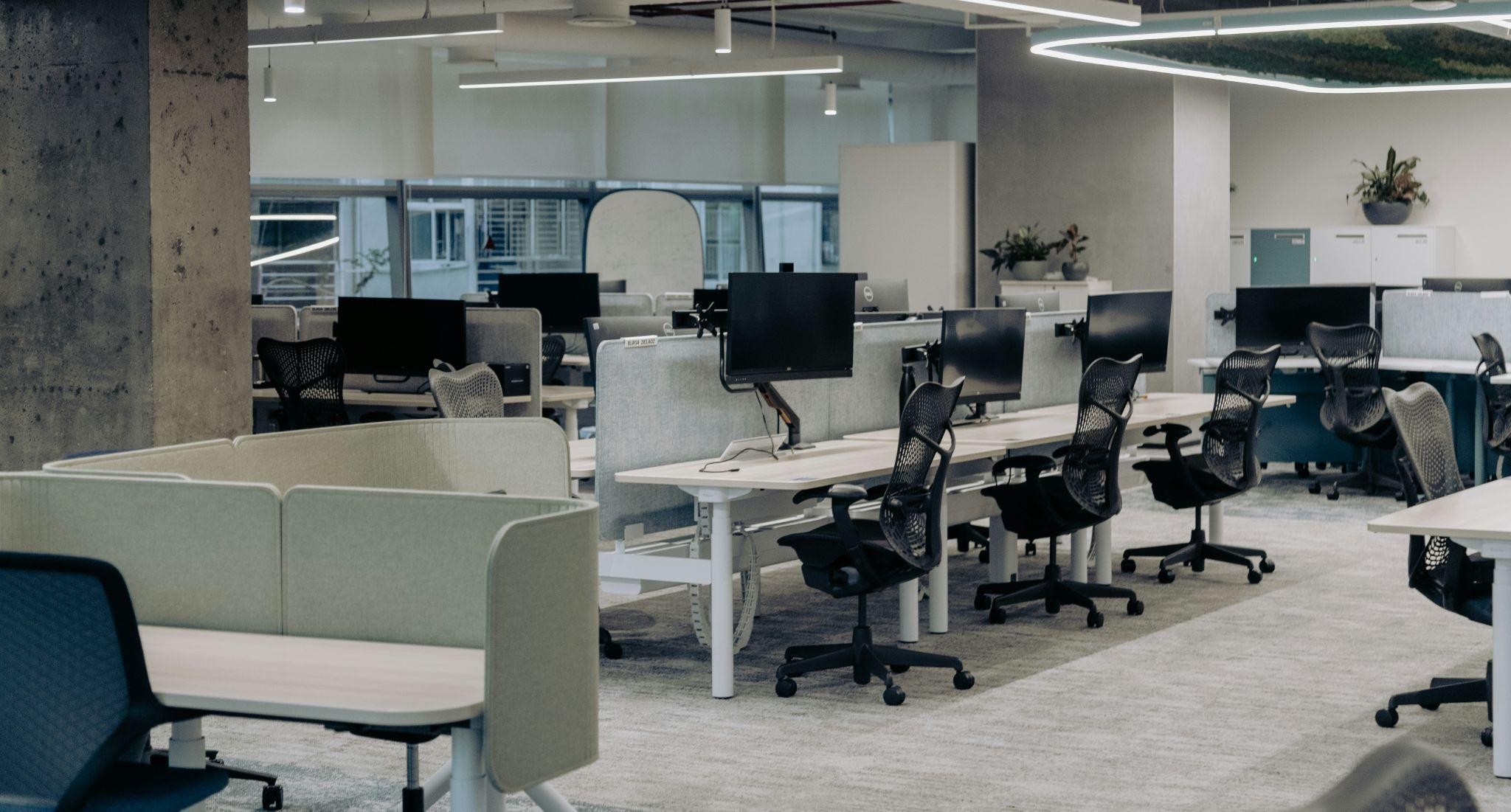
Modern Workspace Furniture for Better Productivity and Culture
The furniture in your workspace does more than just fill empty rooms it directly affects how people work, feel, and interact throughout the day. Modern workspace furniture takes into account ergonomics, flexibility, collaboration needs, and even psychological factors that traditional office setups ignored. Studies show that employees working with ergonomic, well-designed furniture report 17% higher productivity and 32% fewer musculoskeletal complaints. Companies investing in quality workspace furniture see measurable returns through reduced absenteeism and improved employee satisfaction scores. The shift toward modern furniture design reflects changing work patterns, with more emphasis on adaptability, comfort, and creating environments where different types of work can happen effectively. Getting the furniture right isn’t a luxury it’s a fundamental business decision.
Ergonomic Design Reduces Physical Strain
Sitting in poorly designed chairs for eight hours a day wrecks people’s bodies. Lower back pain, neck strain, shoulder tension these aren’t just comfort issues, they’re productivity killers and healthcare cost drivers. Modern workspace furniture prioritizes ergonomics based on actual biomechanical research.
Adjustable chairs with lumbar support, armrests at proper heights, and seat depth customization allow people to configure their seating to their body type. Not everyone is the same height or build, so one-size-fits-all furniture creates problems. Good ergonomic chairs include adjustment points for seat height, backrest angle, armrest position, and sometimes seat tilt.
Standing desks or sit-stand workstations have become popular for good reason. Research from the Texas A&M Health Science Center found that workers using sit-stand desks were 46% more productive than those with traditional seated desks. The ability to change positions throughout the day reduces fatigue and improves circulation. Modern workspace furniture increasingly incorporates height adjustability as a standard feature rather than a premium add-on.
Flexible Configurations Support Different Work Modes
People don’t do the same type of work all day. Sometimes you need deep focus, sometimes collaboration, sometimes quick conversations. Modern workspace furniture accommodates these different modes instead of forcing everything to happen at a traditional desk.
Modular furniture systems can be reconfigured as needs change. Tables on wheels, movable partitions, and furniture that serves multiple purposes create adaptable spaces. A team might push tables together for a brainstorming session, then separate them for individual work later. This flexibility was impossible with heavy, fixed furniture.
Hot-desking environments rely heavily on flexible furniture. When people don’t have assigned seats, the workspace needs furniture that works for anyone who sits there. Height-adjustable desks, movable monitors, and easily cleaned surfaces become essential rather than optional.
Collaborative Spaces Need Different Furniture Approaches
Conference rooms with one giant table don’t support how teams actually collaborate anymore. Modern collaborative furniture includes smaller breakout tables, lounge seating arranged for conversation, whiteboards or writable surfaces, and technology integration for remote participants.
Casual seating areas with comfortable chairs or sofas create spaces for informal discussions that often generate better ideas than formal meetings. There’s research backing this up—Stanford found that people walking or in casual settings produce more creative solutions than those sitting in traditional meeting rooms.
The furniture signals what kind of interaction should happen in different spaces. Stiff, formal seating suggests formal meetings. Comfortable, living-room-style furniture invites relaxed conversation. Height-adjustable tables for standing meetings keep things brief. Modern workspace furniture uses these psychological cues intentionally.
Acoustic Furniture Addresses Open Office Problems
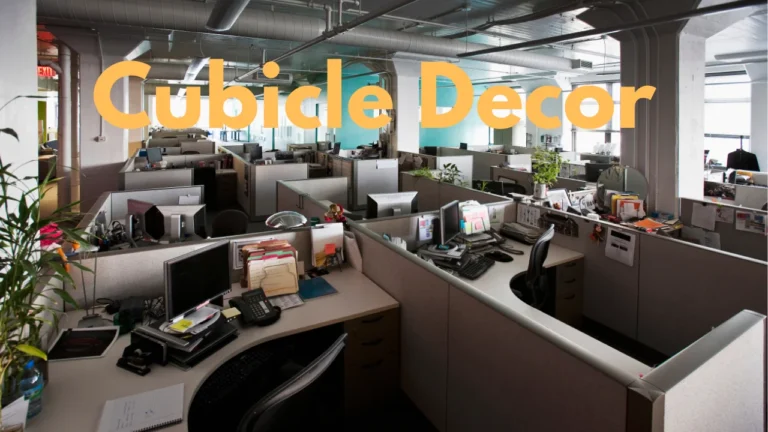
Open offices promised collaboration but delivered constant distraction. Modern workspace furniture includes acoustic solutions panels that absorb sound, phone booths for private calls, semi-enclosed workstations that provide some separation without full walls.
Acoustic panels integrated into furniture design reduce ambient noise without requiring construction. Desk-mounted screens, ceiling baffles that look like design elements, and strategically placed dividers all contribute to sound management. Companies using acoustic furniture solutions report 30% fewer noise complaints from employees.
Phone booths or small enclosed rooms have become essential in open offices. People need spaces for confidential calls or focused work without interruptions. These aren’t traditional offices they’re shared spaces designed for temporary use, outfitted with appropriate furniture for short-term occupation.
Material Choices Affect Durability and Maintenance
Commercial workspace furniture takes more abuse than residential furniture. People spill coffee, lean back hard in chairs, move furniture around, and generally treat it roughly. Material selection matters for longevity and maintenance requirements.
Wipeable surfaces on desks and tables make cleaning easy, which became even more important post-pandemic. Durable upholstery fabrics resist stains and wear. Metal frames withstand more abuse than plastic. These aren’t aesthetic choices—they’re practical decisions that affect total cost of ownership.
Sustainable materials have gained importance too. Furniture made from recycled materials, using low-VOC finishes, and designed for eventual disassembly and recycling appeals to environmentally conscious companies. Certifications like Greenguard or FSC tell you the furniture meets specific environmental standards.
Technology Integration Is Expected, Not Optional
Modern work requires power outlets, USB ports, cable management, and monitor mounts built into furniture rather than cobbled together afterward. Desks with integrated power strips and cable channels keep cords organized and accessible. Conference tables with built-in connectivity let people plug in laptops without crawling under furniture.
Wireless charging pads built into desk surfaces, height-adjustable monitor arms, and keyboard trays that accommodate modern peripherals show how furniture design has adapted to technology needs. When furniture ignores technology requirements, people create messy workarounds with extension cords and cable chaos.
Psychology of well-being and space
Modern workplace furniture also plays a big role in helping mental well-being. The way a space feels can either energize employees or drain them. Color, texture and layout all affect mood and focus. Soft seating areas help reduce stress by providing a relaxing escape from harsh workplaces, while natural materials such as wood or fabric finishes create a calming environment compared to cold metal or harsh fluorescent lighting. Studies in environmental psychology show that employees who work in aesthetically pleasing, comfortable spaces experience lower stress levels and report 15% higher job satisfaction overall. Incorporating biophilic elements such as plant-integrated furniture or a natural color palette has been shown to improve cognitive function and emotional resilience throughout the working day.