Strengthening Business Protection with Commercial Security Cameras
Commercial environments face unique security challenges that go beyond basic access control. Offices, warehouses, retail stores, and industrial facilities all experience constant movement of people, assets, and information. Without visibility into daily activity, it becomes difficult to monitor operations, investigate incidents, or discourage unwanted behavior. Security cameras play a critical role in providing that visibility by creating a reliable visual record of what happens across a property. Commercial security camera installation is not only about preventing theft or vandalism; it also supports accountability, operational awareness, and peace of mind for business owners and employees. When thoughtfully planned, camera systems become an integrated part of how organizations manage safety and oversight.
Also Read: Top 10 Warning Signs Your Chimney Needs Professional Cleaning
How Commercial Camera Systems Support Operations
- Assessing Risk and Planning Camera Coverage
Effective commercial security camera installation begins with understanding a business’s specific risks and operational patterns. Installers evaluate entry points, high-traffic zones, restricted areas, and locations where valuable assets are stored. Lighting conditions, building layout, and daily workflows all influence where cameras should be positioned. Poorly planned coverage can leave blind spots or produce footage that lacks useful detail. In many regions, discussions around security camera installation in New Haven often emphasize tailoring camera placement to local business environments rather than using generic layouts. Proper planning ensures that cameras capture meaningful activity without overwhelming staff with unnecessary footage. This risk-based approach allows businesses to focus surveillance resources where they provide the greatest value.
- Technology Choices and System Integration
Modern commercial camera systems offer a wide range of technologies, from high-definition imaging to remote monitoring. Choosing the right technology depends on how the system will be used in day-to-day operations. Some businesses require detailed footage for investigative purposes, while others prioritize broad coverage and real-time monitoring. Installers help match camera resolution, field of view, and storage capacity to operational needs. Integration with existing security infrastructure, such as access control or alarm systems, further enhances effectiveness. When systems communicate smoothly, security teams gain a more complete picture of events as they unfold. Thoughtful technology selection ensures that camera systems remain practical tools rather than underused installations.
- Installation Quality and Long-Term Reliability
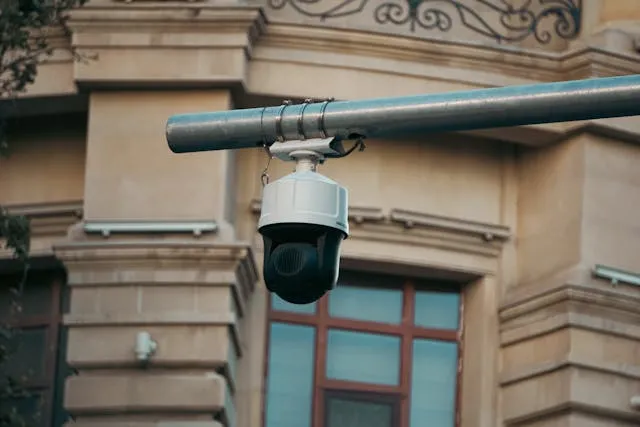
The physical installation of commercial security cameras directly affects system reliability. Secure mounting, proper cable management, and protection from environmental exposure all contribute to consistent performance. Cameras that are poorly installed may shift over time, lose focus, or suffer from signal issues. Installers account for vibration, weather, and potential interference when placing equipment. They also ensure that power and data connections are stable and protected. High-quality installation reduces maintenance needs and helps systems deliver dependable footage day after day. Reliability is especially important in commercial settings, where missing footage during an incident can have serious consequences.
- Data Management and Responsible Monitoring
Commercial security camera systems generate large volumes of data, making data management a key consideration. Installers help businesses determine how long footage should be stored and how it can be accessed securely. Clear data retention policies support compliance with privacy expectations and internal guidelines. Responsible monitoring also involves defining who can view footage and under what circumstances. When access is controlled and documented, businesses reduce the risk of misuse while maintaining transparency. Proper data management ensures that camera systems support accountability without creating new privacy or information-handling concerns.
- Ongoing Support and System Adaptability
Commercial environments evolve as businesses grow, reorganize, or adopt new processes. Security camera systems must adapt to these changes to remain effective. Installers provide ongoing support by adjusting camera placement, upgrading components, or expanding coverage as needs evolve. Regular system reviews help identify areas where visibility could be improved. Adaptability ensures camera systems remain aligned with operational realities rather than becoming outdated. This ongoing relationship between businesses and installers helps maintain consistent security coverage even as conditions shift.
Commercial security camera installation provides more than protection against incidents; it offers ongoing insight into how spaces are used and managed. Through careful planning, thoughtful technology selection, and reliable installation, camera systems become valuable business assets. They support safety, accountability, and informed decision-making across a wide range of commercial settings. When managed responsibly and adapted over time, surveillance systems contribute to a secure and well-organized environment. Rather than reacting to problems, businesses that invest in proper camera installation gain the confidence that comes from visibility and preparedness in their daily operations.