Tips for Designing a Functional and Stylish Home Addition
Expanding your living space with a home addition offers a unique opportunity to not only increase your home’s square footage but also boost its functionality and aesthetics. Creating a new room or overhauling an existing one should always prioritize seamless design, practicality, and personalization. When you work with an experienced Chicago, IL home builder, you’re more likely to get a space that meets your needs while complementing your home’s existing style.
Thoughtful planning is essential for maximizing your investment and ensuring your new addition feels like a cohesive part of your home. By incorporating wise design choices and sustainable materials, you can create an inviting, energy-efficient space that lasts for years to come. Additionally, considering factors such as lighting, storage, and technological enhancements can transform your addition from a simple extension to a standout feature.
Also Read: The Role of Civil Engineering in Infrastructure Development
Seamless Integration with Existing Structure
To maintain your home’s curb appeal and value, any addition must blend harmoniously with the original structure. This involves echoing key architectural features such as roof pitch, exterior finishes, trim, and window styles. Details like matching brickwork or siding and aligning rooflines can go a long way in making your addition feel intentional rather than tacked-on. Consulting design professionals or a builder who specializes in additions can help navigate these complex aspects, ensuring your project is visually cohesive.
Incorporate Multi-Functional Furniture
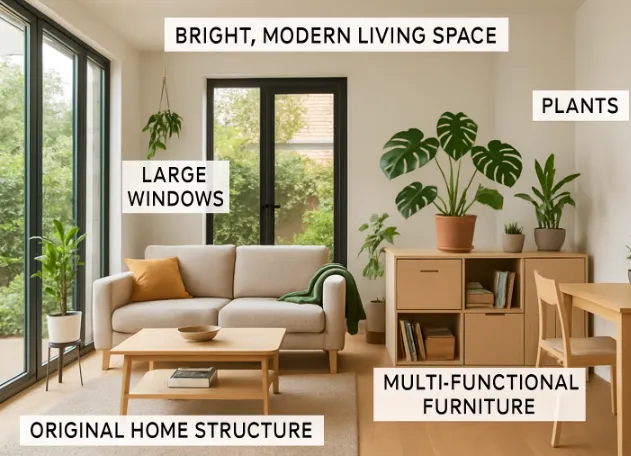
With modern home design trends focusing on flexibility, selecting furniture that serves multiple functions can significantly enhance your addition. Consider convertible sofas for guest rooms, built-in benches with storage, or modular shelving units that can adapt to various needs. This is particularly beneficial in smaller-scale additions, where efficient use of every inch is essential. Built-ins also tend to provide better durability and a custom look compared to freestanding options. For more inspiration, see this Architectural Digest guide on modular furniture for small spaces.
Maximize Natural Light and Ventilation
Ample natural light makes any space feel healthier and more expansive. Incorporate large windows, transoms, glass doors, and skylights wherever possible, and use open layouts to allow daylight to travel deeper into the space. Good ventilation is equally crucial for both comfort and indoor air quality; consider installing operable windows or mechanical ventilation systems to achieve optimal airflow. Subtle zoning elements, such as area rugs and pendant lighting, can help designate distinct zones in an open-plan room without the need for permanent walls, as recommended in this Architectural Digest article on multifunctional living tips.
Choose Sustainable Materials
Eco-friendly construction supports the environment and can significantly reduce your utility bills. Durable, rapidly renewable flooring materials like bamboo, recycled-content tiles, and non-toxic paints are excellent choices for sustainable home additions. Additionally, consider installing energy-efficient windows, using LED lighting, and utilizing programmable thermostats to reduce energy consumption. Insulating properly and opting for energy-efficient appliances helps minimize environmental impact while ensuring your space remains comfortable throughout the year.
Personalize Your Space
Your new addition should reflect your family’s personality and lifestyle. Whether it’s choosing colors that evoke your favorite moods, adding a feature wall of artwork, or displaying travel mementos, small personal touches go a long way. Consider mixing textures by using boldly patterned throws or pillows, and adding plants to create a lived-in feel. As emphasized in design resources such as Architectural Digest’s guide to multifunctional living tips, intentional decor and curated finishes create a welcoming, unique environment.
Integrate Smart Technology
Home additions are the perfect opportunity to upgrade your home’s technology and convenience. Install smart thermostats, Wi-Fi-enabled lighting, and automated window treatments to optimize energy usage and comfort. These modern solutions enable you to control various aspects of your home remotely, enhancing both security and efficiency. Smart tech integration can be seamlessly incorporated during the construction phase, often increasing property value in a tech-savvy market.
Plan Your Budget Wisely
Careful budget planning is key to a successful home addition project. Account for construction, materials, labor, and all relevant building permits. Don’t forget to set aside a contingency fund to cover unexpected costs, which are common in renovation or addition projects. Working closely with a trustworthy contractor or builder can also help you avoid overspending and stay aligned with your project goals and timeline.
Focus on Final Touches and Quality Assurance
Once the structural and functional elements are in place, shift your attention to selecting high-quality fixtures, hardware, and finishing materials. Thoroughly inspect all completed work, looking for minor defects or system issues that require attention. Address any concerns with your builder before signing off on the project. Quality assurance at this stage is crucial for your long-term satisfaction.
Designing a functional and stylish home addition takes planning, creativity, and attention to detail. By following these best practices, you can transform your home with a stunning, tailored space that serves your family’s needs—and enhances your property’s overall appeal.