What Atlanta Humidity Does to Your Home and Design Around It
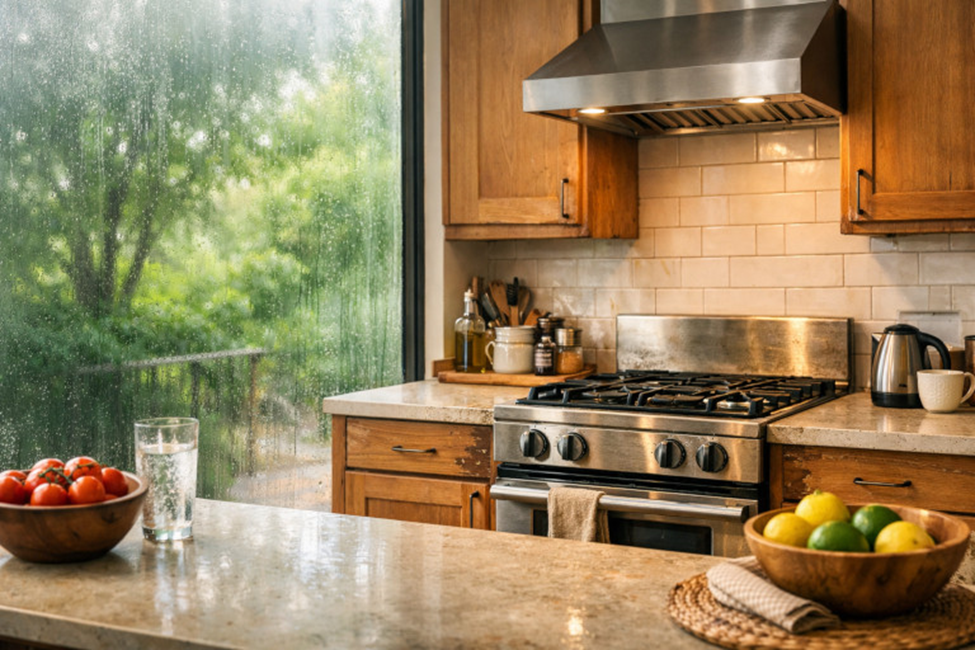
I didn’t fully understand how Atlanta’s humidity could affect a home until I watched a freshly painted cabinet start to bubble near the stove after just one summer. The paint wasn’t the problem. The ventilation wasn’t terrible. It was the combination of heat, cooking steam, and constant moisture in the air.
If you live in Atlanta, this isn’t a small detail. It’s one of the main forces shaping how your home ages.
I’ve worked with homeowners across Atlanta who want interiors that not only look good on day one but also hold up for five to ten years. This guide is for you if you’re designing, renovating, or maintaining a home in a climate where humidity is always working in the background.
Also Read: How Mock Interviews Build Confidence and Competence
Key Takeaways
• Atlanta’s humidity often exceeds 70%, directly affecting materials and finishes
• Moisture damage builds slowly and is usually noticed too late
• Material selection matters more here than in dry climates
• Ventilation plays a major role in preventing long-term damage
• Kitchens and basements are the most humidity-sensitive areas
• Designing for humidity does not limit style; it improves durability
How Atlanta’s Humidity Impacts Your Home Over Time?
Atlanta’s average relative humidity sits around 70% year-round, with summer mornings often exceeding 80%. That moisture doesn’t just sit in the air. It interacts with every surface in your home.
I see the same patterns repeatedly:
• Wood expands and contracts
• Paint loses adhesion
• Grout darkens and absorbs moisture
• Cabinet finishes degrade near heat and steam
These changes don’t happen overnight. They build gradually, which is why many homeowners miss the early warning signs.
Once you understand how humidity behaves, your decisions around materials and maintenance become much more intentional.
Choosing Flooring That Holds Up in Atlanta’s Climate
Hardwood Floors Need Careful Control
Atlanta homes, especially in neighborhoods like Candler Park and Morningside, often feature solid hardwood. It looks great, but it reacts to moisture.
In several homes I’ve worked on, poorly sealed hardwood has cupped or warped after just one humid season.
If you already have hardwood:
• Maintain a consistent indoor humidity level
• Reapply polyurethane finish on schedule
If you’re installing new flooring:
• Engineered hardwood performs better than solid wood
• Its layered construction resists moisture movement
Luxury Vinyl Plank Performs Reliably
In my experience, luxury vinyl plank (LVP) is one of the most dependable options for Atlanta homes.
It doesn’t swell or warp, even in high-moisture areas like:
• Kitchens
• Laundry rooms
• Basements
Not all LVP is equal. I recommend:
• At least a 6mm core thickness
• Attached underlayment for stability
Thin, budget options tend to fail faster under constant humidity.
Tile Works Well, but Grout Is the Weak Point
Ceramic and porcelain tile handle moisture extremely well. The issue is usually the grout.
Standard grout absorbs moisture over time, leading to:
• Discoloration
• Mildew
• Cracking
What I recommend:
• Use epoxy grout in wet or humid areas
• Seal traditional grout immediately and reapply yearly
Where Cabinetry and Millwork Fail in Atlanta’s Climate
Avoid MDF in Moisture-Prone Areas
MDF looks great when freshly painted, but it doesn’t hold up well in Atlanta humidity.
I’ve seen MDF cabinet edges swell and deteriorate within a few years in kitchens and bathrooms.
Better options:
• Solid wood doors
• Plywood cabinet boxes
They cost more upfront, but they last significantly longer.
Choose Plywood Over Particleboard
Cabinet boxes made from plywood perform better over time.
Particleboard tends to:
• Weaken when exposed to moisture
• Lose screw integrity
• Break down faster after repeated humidity cycles
Always ask what your cabinets are made from. Many lower-cost options default to particleboard.
Protect Cabinets on Exterior Walls
In older Atlanta homes, especially in areas like Grant Park, exterior walls often transfer moisture into the home.
I’ve seen cabinets installed against these walls develop hidden damage on the back panels.
Simple prevention during installation:
• Add a vapor barrier
• Seal the back panels properly
Choosing Paint and Finishes That Last in Atlanta
Use the Right Paint Finish
Flat and matte finishes don’t perform well in humid environments.
In Atlanta kitchens and bathrooms, I consistently recommend:
• Satin for general walls
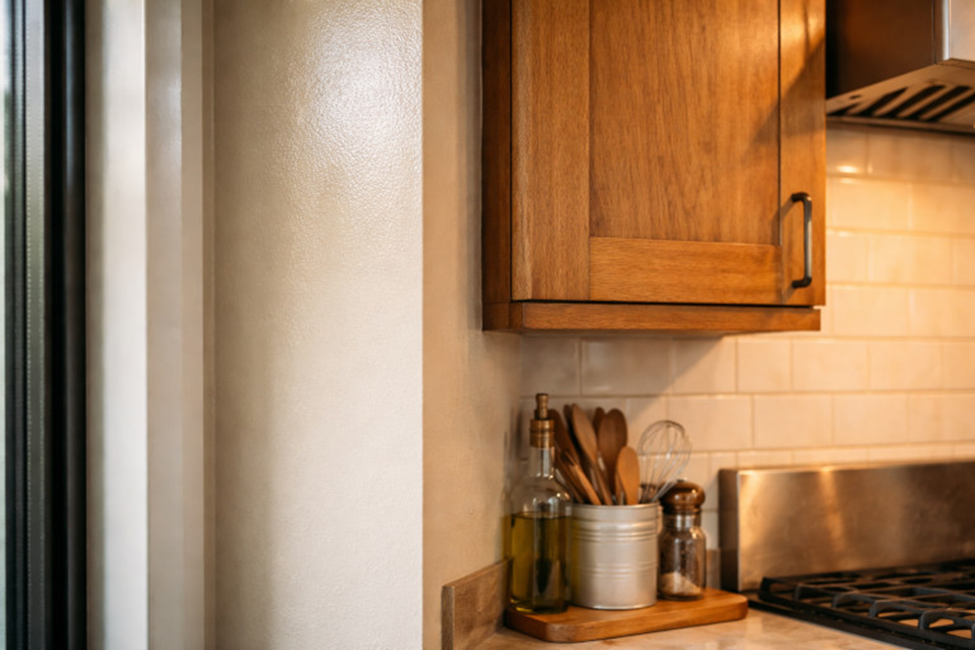
• Semi-gloss near cooking and high-moisture zones
These finishes resist moisture and are easier to clean. I’ve also seen how the right paint choices can completely change how a space looks and feels, especially when paired with the right finish. If you’re considering an update, this breakdown on how fresh paint can transform living spaces is a helpful place to start.
Don’t Skip a Moisture-Resistant Primer
Primer makes a noticeable difference in how long paint lasts.
In high-humidity areas:
• Use a dedicated moisture-blocking primer
• Avoid all-in-one paint and primer products
This step alone can extend your paint’s lifespan by years.
Watch Corners and Ceiling Lines
One of the first places I see paint failure is at wall and ceiling joints.
These areas tend to collect condensation. Before repainting:
• Clean and sand lightly
• Ensure proper airflow during drying
Designing Kitchens That Handle Heat and Humidity
The kitchen is the most demanding environment in any Atlanta home. You’re dealing with baseline humidity plus heat and steam from cooking.
Ventilation Makes the Biggest Difference
A recirculating hood is not enough here.
I always recommend:
• A ducted range hood that vents outside
• A short, direct duct path for efficiency
Good ventilation removes moisture before it settles on surfaces.
Appliance Placement Matters
I’ve seen faster cabinet and paint damage in kitchens where stoves are placed too close to walls.
Even small adjustments help:
• Add a few inches of clearance
• Avoid trapping heat and steam
Maintenance Reduces Moisture Load
Appliances that aren’t running properly generate excess heat and moisture. If your stove or range feels inconsistent, I recommend addressing it early. In many cases, working with a reliable provider like Appliance EMT for stove repair in Atlanta helps prevent unnecessary wear on nearby cabinetry, paint, and finishes.
Managing Moisture in Basements and Below-Grade Spaces
Basements in areas such as Buckhead and Brookhaven are exposed to constant moisture.
Use a Dehumidifier Year-Round
In Atlanta, this isn’t optional.
Without it, basement humidity often exceeds 60%, which increases mold risk.
What I recommend:
• A properly sized dehumidifier
• Continuous operation
Choose Flooring That Can Handle Moisture
Avoid carpet in basements. I’ve seen too many cases where it traps moisture and develops odor issues.
Better options:
• LVP
• Tile
• Polished concrete
Insulate the Right Way
A common mistake I see is fiberglass insulation on exterior basement walls.
A better approach:
• Closed-cell spray foam
• Acts as both insulation and a vapor barrier
Atlanta’s Tree Canopy and Humidity
Atlanta is often called the “city in a forest,” and that’s accurate. Neighborhoods like Decatur, Druid Hills, and Ansley Park are heavily shaded.
That canopy creates a microclimate:
• Moisture lingers longer after rain
• Sunlight doesn’t dry surfaces quickly
• Organic debris increases ground moisture
In my experience, north-facing rooms under heavy tree cover tend to have the highest indoor humidity.
These areas benefit most from:
• Better ventilation
• Moisture-resistant materials
Common Mistakes I See in Atlanta Homes
Moisture problems are usually caught too late. By the time you see bubbling paint or warped wood, the damage has been developing for months.
The cheapest materials rarely stay cheap in Atlanta. I’ve seen budget cabinetry fail within three years, costing more to replace than better materials would have upfront.
Ventilation upgrades consistently deliver the best return. A properly vented kitchen or bathroom protects every finish in the room.
I also don’t assume newer homes are better built. Some newer Atlanta properties lack proper moisture control because of rushed construction timelines.
Frequently Asked Questions
What humidity level should I maintain inside my Atlanta home?
I aim for 40% to 50%. In summer, this usually requires both air conditioning and a dehumidifier.
How do I reduce humidity in an Atlanta home?
Use a combination of air conditioning, dehumidifiers, and proper ventilation. Focus on kitchens, bathrooms, and basements first.
Does Atlanta’s humidity affect appliances?
Yes. Moisture accelerates wear on internal components, especially in kitchens and laundry rooms.
Is hardwood flooring a good choice in Atlanta?
Yes, but it requires maintenance. Engineered hardwood is more stable than solid wood in humid conditions.
What paint finish works best in humid areas?
Satin or semi-gloss. These finishes resist moisture and are easier to clean.
Designing Homes That Hold Up in Atlanta’s Climate
Designing a home in Atlanta means designing for humidity. It’s not something you can ignore or work around later.
In my experience, the homes that age well aren’t necessarily the most expensive. They’re the ones where material choices, ventilation, and layout were all considered in light of the climate.
If you get those decisions right early, your home won’t just look good. It will hold up for years without constant repairs.