
What to Expect During a Routine Dental Cleaning and Exam
Routine dental visits play a crucial role in maintaining oral health and preventing more serious issues down the line. Many people feel anxious or uncertain about what actually happens during a standard dental cleaning and exam. Understanding the steps and purpose of each part of the visit can ease that anxiety and help you feel more in control of your oral health journey. We will explore what to expect during a routine dental appointment, from the initial assessment to the final recommendations. By being informed, patients can approach dental visits with confidence, knowing that each stage is designed to maintain healthy teeth, gums, and overall oral hygiene. Awareness of what occurs during these visits also helps you ask informed questions and understand the value of preventive care.
Also Read: Google’s AI Search Mode Brings 2025 Travel Planning and Booking Tools
What Happens During a Routine Dental Cleaning and Exam
- Initial Assessment and Review of Medical History
When you first arrive at the dental office for general dentistry in Williamstown, your visit typically begins with a review of your medical history and any updates since your last appointment. This includes medications you are taking, past dental procedures, and any current concerns about your teeth, gums, or mouth. The dental team may also ask about lifestyle factors such as diet, smoking habits, or oral hygiene routines, as these can influence oral health. This initial step is important because it provides context for the dentist or dental hygienist, helping them understand potential risks or areas that require extra attention. A thorough review ensures that your treatment is safe and personalized, even during a routine visit. Being honest and detailed about your health history allows the dental team to detect potential issues early and provide guidance tailored to your specific needs.
- Physical Examination of the Mouth and Teeth
Following the medical review, the dentist or dental hygienist conducts a physical examination of your mouth. This involves visually inspecting your teeth, gums, tongue, cheeks, and the roof of your mouth. They look for signs of cavities, gum disease, plaque buildup, enamel wear, or other abnormalities that might indicate oral health issues. The dentist may use a small mirror and probe to examine hard-to-see areas and check the alignment of your bite. In some cases, X-rays are taken to assess underlying structures, detect tooth decay, or monitor bone health. This part of the appointment is essential for identifying problems early, even if you feel no discomfort. Regular exams allow the dental team to track changes over time, providing a clearer picture of your oral health and guiding recommendations for future care.
- Professional Teeth Cleaning
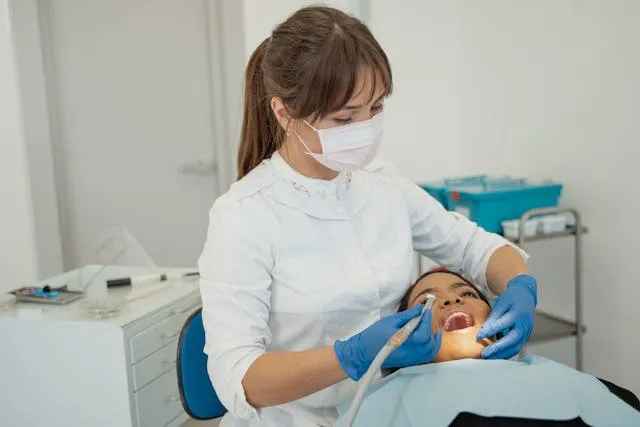
Professional cleaning is the main focus of a routine dental visit and involves several stages. First, the dental hygienist removes plaque and tartar buildup from the surface of your teeth using specialized tools. Plaque is a soft, sticky film that forms on teeth, while tartar is hardened plaque that cannot be removed by brushing alone. The hygienist carefully cleans above and below the gumline, paying close attention to areas often missed during daily oral hygiene. After scaling, the teeth are polished using a gritty paste to remove surface stains and smooth the enamel. This step not only improves the appearance of your teeth but also reduces the risk of cavities and gum disease. For patients prone to sensitivity, the hygienist may take extra care to minimize discomfort during cleaning. This process also gives you a chance to ask questions about your oral hygiene routine or products that may benefit you.
- Flossing and Fluoride Treatment
After the cleaning, the dental hygienist may perform professional flossing to remove debris and plaque from between the teeth. While daily flossing at home is important, professional flossing ensures that all areas are thoroughly cleaned. Some offices also provide fluoride treatments, which help strengthen the enamel and protect against cavities. Fluoride can be applied as a gel, foam, or varnish, depending on the practice. The hygienist applies it to the teeth and allows it to set for a short period before you rinse. These preventive measures are particularly beneficial for individuals at higher risk of decay or gum issues. The combination of professional cleaning, flossing, and fluoride treatment enhances oral health, reduces the risk of dental problems, and contributes to a brighter smile.
This trained dentist in San Antonio TX adds that these concluding steps of a professional visit provide a protective barrier that lingers long after you leave the chair.
- Discussion of Findings and Recommendations
Once the cleaning and examination are complete, the dentist reviews the findings with you. They may discuss areas of concern, such as early signs of cavities, gum inflammation, or tooth wear. The dentist will provide recommendations for at-home care, which may include adjustments to brushing and flossing techniques, the use of specific oral care products, or dietary changes to support dental health. If necessary, they will suggest follow-up procedures, such as fillings, sealants, or additional monitoring. This discussion is an opportunity for patients to ask questions, clarify instructions, and understand the rationale behind each recommendation. Open communication ensures that you are actively involved in maintaining your oral health and helps you make informed choices about ongoing care. Regular feedback from the dentist also reinforces good habits and helps prevent future complications.
- Scheduling Follow-Up Visits
Before leaving the office, the dental team will help you schedule your next routine visit. Most patients are advised to return every six months, though the frequency may vary depending on individual oral health needs. Consistent follow-ups are essential for monitoring changes, preventing progression of dental problems, and maintaining overall oral hygiene. During these visits, the dental team can compare your current condition with previous records, track improvements, and address new issues promptly. Scheduling ahead also ensures that you maintain a consistent routine, reducing the likelihood of missed appointments. The follow-up process emphasizes the importance of preventive care and reinforces the role of regular dental visits as an integral part of maintaining long-term oral health.
A routine dental cleaning and exam is more than just a superficial process; it is a comprehensive approach to maintaining oral health. From the initial review of your medical history to the detailed examination, cleaning, and follow-up discussions, each step is designed to prevent problems, detect issues early, and guide you in caring for your teeth and gums. Understanding what to expect during these visits can alleviate anxiety and empower you to take an active role in your dental health. By attending regular appointments, practicing good oral hygiene at home, and following professional guidance, you can preserve your teeth, prevent discomfort, and enjoy a healthy, confident smile for years to come. Routine visits offer peace of mind, helping you maintain both oral health and overall well-being while ensuring small concerns are addressed before they become larger problems.