
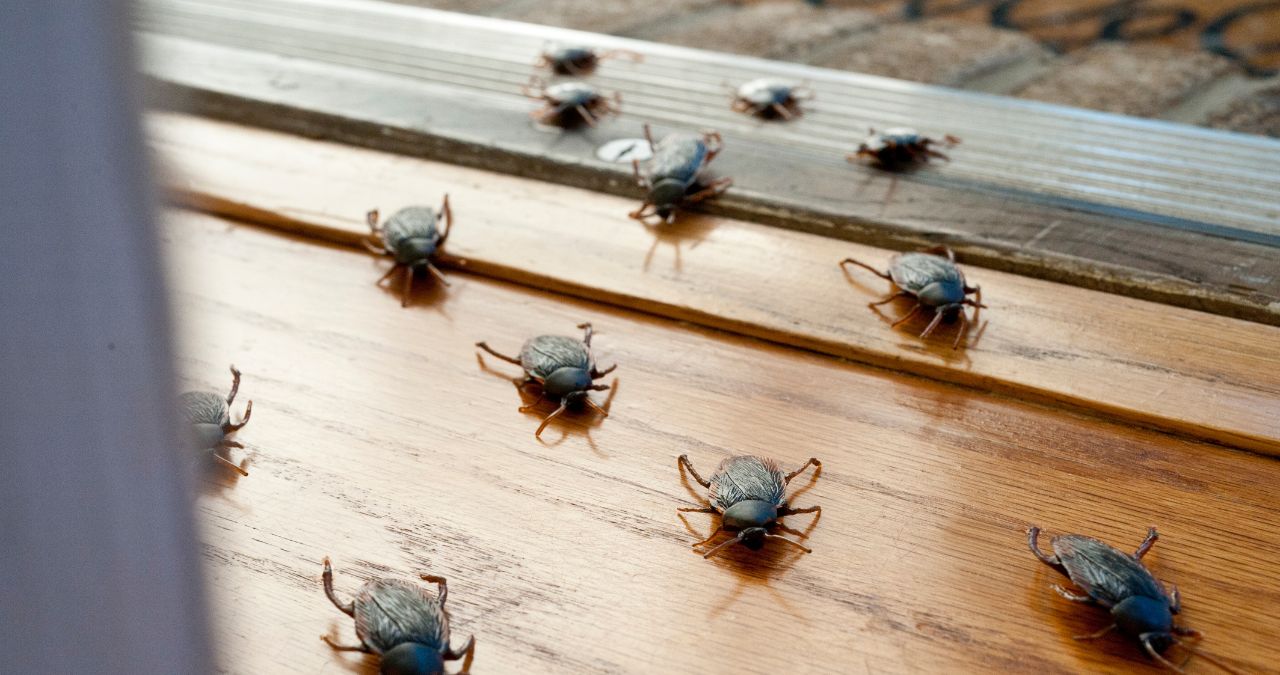
Why cockroaches appear in homes that are regularly cleaned?
Many homeowners are surprised and frustrated to find cockroaches in their homes despite maintaining a regular cleaning routine. The presence of these pests can be unsettling, especially when you take pride in keeping your living space tidy and hygienic. However, cockroaches are highly adaptable creatures that can thrive in a variety of environments, including those that appear spotless to the human eye. Understanding why cockroaches invade even the cleanest homes is essential for effective prevention and peace of mind. This article delves into the reasons behind these unwelcome visits and offers insights into keeping your home cockroach-free.
Read More: Top-Rated Employee Monitoring Software for Hybrid Workforces
Why clean homes still get cockroaches
Cockroaches’ remarkable adaptability
Cockroaches are among the most resilient pests on the planet, capable of surviving in conditions that would be inhospitable to many other insects. Their adaptability is a key reason they can be found in homes that are regularly cleaned. Cockroaches are not solely attracted to filth or visible food debris; they are opportunistic scavengers that can subsist on a wide range of organic materials. Even the smallest crumbs, grease residues, or traces of moisture can provide enough sustenance for them to survive and reproduce. Additionally, cockroaches are nocturnal and highly skilled at hiding in cracks, crevices, and behind appliances, making them difficult to detect until their numbers grow. Their ability to flatten their bodies allows them to squeeze into spaces as thin as a credit card, giving them access to areas that are rarely, if ever, cleaned. This remarkable adaptability means that even the most diligent cleaning routines may not be enough to keep cockroaches at bay if other conditions in the home are favorable for their survival.
Hidden food and water sources
While a home may appear spotless, cockroaches are experts at finding hidden sources of food and water that humans often overlook. They can feed on a variety of materials, including pet food left out overnight, crumbs trapped under appliances, and even the glue used in cardboard boxes. Water is equally important for their survival, and cockroaches are drawn to leaky pipes, condensation on windows, and even the moisture found in bathroom sinks or under refrigerators. These pests can survive for weeks without food but only a few days without water, making any source of moisture a significant attractant. Even if you clean your kitchen counters and floors daily, it is easy to miss the less obvious places where food particles and water accumulate. This is why cockroaches can persist in homes that are otherwise well-maintained. For those seeking cockroach control Pittsburgh, addressing these hidden attractants is just as important as regular cleaning.
Entry points and shelter
Cockroaches are adept at finding their way into homes through a variety of entry points that often go unnoticed. Small cracks in the foundation, gaps around doors and windows, and openings where utility lines enter the house can all serve as gateways for these pests. Once inside, cockroaches seek out dark, warm, and humid environments where they can hide and breed. Common hiding spots include behind kitchen appliances, inside cabinets, under sinks, and within wall voids. These areas are typically undisturbed and provide the perfect conditions for cockroaches to thrive. Even if you clean visible surfaces regularly, these hidden spaces can harbor cockroach populations that remain undetected until they become large enough to venture out in search of food. Sealing entry points and reducing clutter in potential hiding spots are crucial steps in preventing infestations, but these measures are often overlooked in routine cleaning practices. The ability of cockroaches to exploit even the smallest vulnerabilities in a home’s structure is a major reason why they can appear in clean environments.
Cockroaches and apartment living
In multi-unit buildings, cockroach infestations can be particularly challenging to control. Even if you maintain a spotless apartment, cockroaches can easily migrate from neighboring units through shared walls, plumbing, and ventilation systems. This means that your efforts to keep your living space clean may be undermined by conditions outside your control. Cockroaches are highly mobile and can travel significant distances in search of food, water, and shelter. In apartment complexes, a single untreated unit can serve as a reservoir for cockroaches, allowing them to spread throughout the building. Effective control in these settings often requires coordinated efforts among all residents and property management to address the problem at its source. Regular cleaning is important, but it may not be sufficient if the infestation is widespread or if other units are not taking similar precautions. Understanding the communal nature of cockroach infestations in apartment buildings is essential for developing effective prevention and control strategies.
The role of climate and environment
Cockroach activity is heavily influenced by environmental factors such as temperature and humidity. In regions with warm, humid climates, cockroaches are more likely to thrive and reproduce rapidly. Seasonal changes can also impact their behavior, with infestations often becoming more noticeable during the warmer months when cockroaches are more active. In colder climates, cockroaches may seek shelter indoors to escape harsh outdoor conditions, increasing the likelihood of infestations in homes that are otherwise clean. Urban environments provide additional challenges, as the dense concentration of buildings and people creates ample opportunities for cockroaches to find food, water, and shelter. Outdoor factors such as overflowing trash bins, compost piles, and nearby sewer systems can also contribute to indoor infestations, as cockroaches move between outdoor and indoor environments in search of resources. Being aware of how climate and environmental conditions affect cockroach behavior can help homeowners take proactive steps to reduce the risk of infestations, even in well-maintained homes.
Cockroach prevention tips
Preventing cockroach infestations requires more than just regular cleaning. Homeowners should focus on eliminating potential entry points by sealing cracks and gaps around doors, windows, and utility lines. Reducing moisture by fixing leaky pipes and using dehumidifiers can make your home less attractive to cockroaches. Storing food in airtight containers and promptly cleaning up spills and crumbs will help remove food sources. Regularly inspecting hidden areas, such as behind appliances and under sinks, can help detect early signs of cockroach activity. In apartment buildings, communicating with neighbors and property management about pest control efforts is essential for effective prevention. By combining these strategies with consistent cleaning, you can significantly reduce the likelihood of cockroach infestations, even in environments where these pests are common.
Conclusion
Cockroaches are persistent pests that can invade even the cleanest homes due to their adaptability, ability to find hidden food and water sources, and skill at exploiting entry points and shelter. Factors such as apartment living, climate, and environmental conditions can further increase the risk of infestations, making prevention a multifaceted challenge. While regular cleaning is important, it is not always enough to keep cockroaches away. Addressing hidden attractants, sealing entry points, and maintaining vigilance in less obvious areas are all crucial steps in keeping your home cockroach-free. By understanding the reasons behind cockroach infestations, homeowners can take more effective measures to protect their living spaces and maintain a healthy, comfortable environment.