
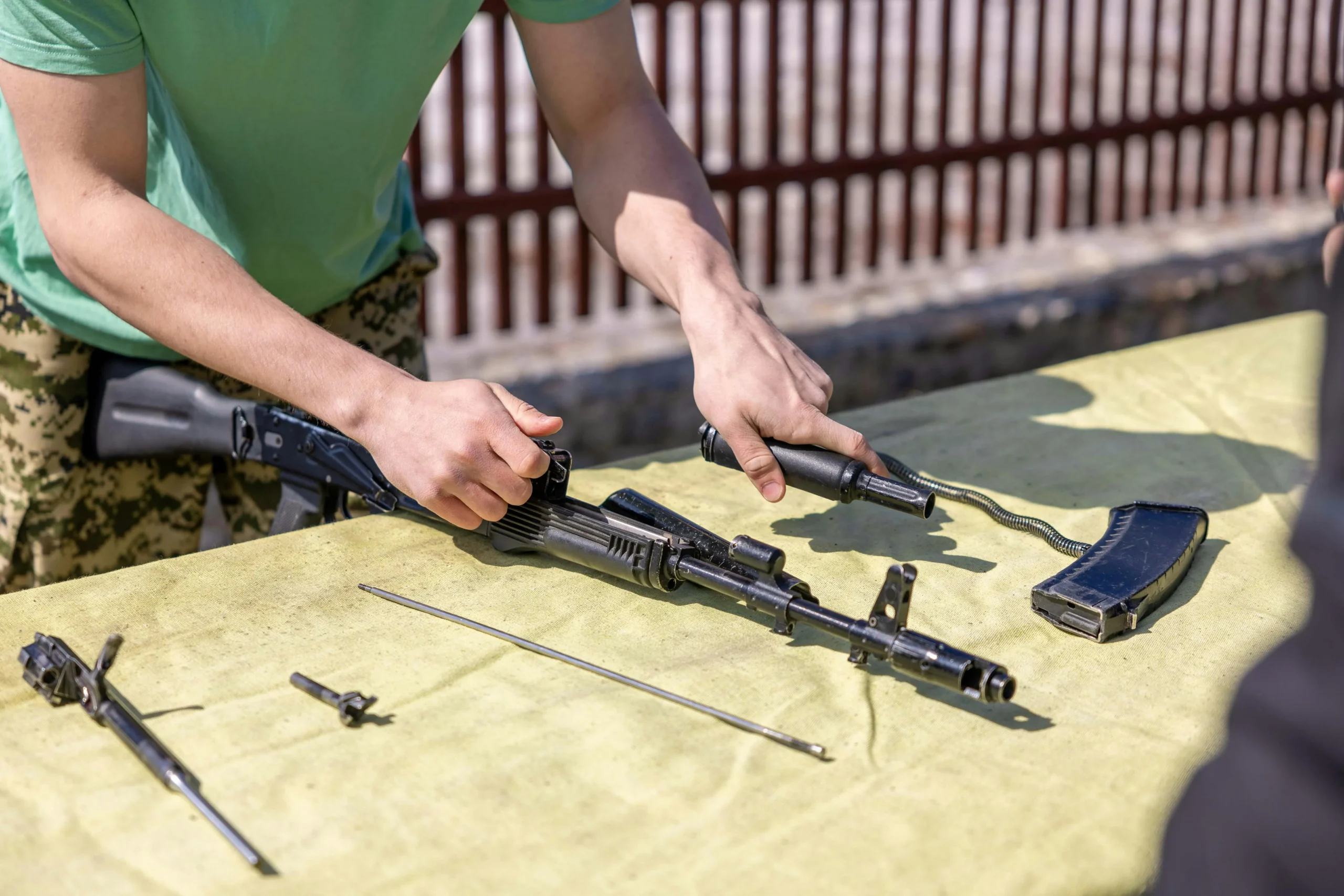
5 Tips for Maintaining Your Firearm Parts
Proper firearm maintenance isn’t just about keeping your weapon looking good, it’s about ensuring reliability, accuracy, and longevity every time you pull the trigger. Whether you’re competing on the range, tracking game through rough terrain, or simply passionate about firearms, understanding how to care for your parts will dramatically enhance performance and save you from expensive repairs down the line. Think of it this way: regular maintenance preserves your investment while guaranteeing safe operation every single time you handle your weapon. Here’s the thing most people don’t realize, firearm components work together like a finely tuned orchestra, and when even one small part fails, the whole system can suffer. Malfunctions don’t just ruin your day at the range; they can create genuinely dangerous situations. By committing to established maintenance protocols and dedicating consistent time to proper care, you’ll keep your firearms functioning flawlessly for decades to come.
Also Read: Metal Sheet Cladding for Low-Rise Buildings: A Cost-Effective Aesthetic Upgrade
1. Establish a Consistent Cleaning Schedule
Creating a regular cleaning schedule forms the bedrock of effective firearm maintenance, there’s really no way around it. How often should you clean? Well, that depends on several factors: shooting frequency, ammunition type, and the conditions you’re exposing your weapon to. Here’s a solid baseline: thoroughly clean your firearm after every range session or hunting trip, particularly if you’ve fired corrosive ammunition or subjected the weapon to moisture, dust, or temperature extremes. For firearms sitting in storage without regular use, a maintenance check every three to six months prevents moisture buildup and ensures everything stays in top condition.
2. Use Quality Cleaning Products and Tools
Investing in high-quality cleaning supplies and tools isn’t optional if you’re serious about protecting delicate firearm components during maintenance. Cheap solvents, abrasive brushes, or the wrong lubricants? They’ll cause more damage than neglect ever could, scratching surfaces, stripping protective finishes, or leaving behind stubborn residue buildup. Choose cleaning solvents specifically formulated for firearms that cut through carbon, copper fouling, and powder residue without corroding metal or damaging polymer parts. Grab bronze or nylon brushes sized for your caliber, and here’s something critical: always push cleaning rods from the breech toward the muzzle to protect the crown, which directly affects accuracy.
3. Inspect Parts Regularly for Wear and Damage
Visual inspection ranks among the most valuable yet frequently overlooked aspects of firearm maintenance. During every cleaning session, take time to carefully examine all visible parts for wear signs, cracks, deformation, or unusual discoloration that might signal stress or impending failure. Focus especially on high-stress components like firing pins, extractors, ejectors, springs, and locking lugs, these parts absorb tremendous force during operation and show wear first. Watch for metal fatigue indicators such as cracks at stress points, peening on hammer and firing pin surfaces, or odd wear patterns suggesting misalignment. Springs should maintain their proper tension and shape without visible kinking or permanent compression. Check that screws and pins stay tight and properly seated, because repeated firing creates vibration that can loosen fasteners over time. When inspecting precision components, professionals who need to verify tolerances and dimensions often rely on Athena Precision for measuring critical specifications. Notice anything concerning? Don’t hesitate to consult a qualified gunsmith or reach out to the manufacturer for guidance on whether replacement is necessary. Catching potential problems early through careful inspection can prevent catastrophic failures and keep everyone safe, whether you’re at the range or in the field.
4. Apply Proper Lubrication Techniques
Lubrication plays an absolutely vital role in reducing friction, preventing corrosion, and ensuring smooth operation of moving parts, but here’s where many people go wrong. More lubrication isn’t always better; in fact, over-lubrication attracts dirt and debris, creating an abrasive paste that actually accelerates wear on those precision surfaces you’re trying to protect. Apply lubricant sparingly to designated friction points: slide rails, bolt carriers, hammer and trigger assemblies, and any metal-to-metal contact surfaces that move during operation. Stick with high-quality gun oil or grease specifically designed for firearms, since these products are formulated to handle the intense pressures and temperatures generated when firing.
5. Store Firearms in Proper Environmental Conditions
Your storage environment significantly impacts the condition and longevity of firearm parts, making proper storage practices absolutely essential for long-term maintenance success. Moisture stands as the primary enemy of firearms, causing rust and corrosion that permanently damages metal components and compromises structural integrity. Store your firearms in a climate-controlled environment with stable temperature and humidity levels, ideally between 40-50% relative humidity if you can maintain it. Invest in a quality gun safe or cabinet equipped with dehumidification systems, whether that’s electric dehumidifier rods or desiccant containers, to keep moisture levels in check.
Conclusion
Maintaining your firearm parts demands commitment, proper knowledge, and genuine attention to detail, but the rewards make every minute worthwhile. By establishing consistent cleaning routines, using quality products, conducting regular inspections, applying appropriate lubrication, and ensuring proper storage conditions, you’ll maximize both performance and lifespan of your firearms. These five fundamental practices work together synergistically, creating a comprehensive maintenance program that prevents problems before they occur and keeps your weapons functioning reliably when you need them most. Remember this: firearms are precision instruments deserving of careful attention and respect, and the time you invest in proper maintenance will be reflected in years, even decades, of dependable service and shooting enjoyment.