Why Roof Maintenance is Crucial for Sarasota Homes: Florida Guide
Maintaining the roof over your Sarasota home is far more critical than many realize. Here, the combination of intense sun, high humidity, salt‑laden air and frequent storms places a unique burden on every component of your roof system. Roof maintenance in this climate isn’t optional, it’s essential. Without the right attention, you risk accelerated wear, hidden damage and major repair expense.
Also Read: What Is Window Insulation and Why It Matters for Your Home
The Florida Coastal Climate and Its Impact on Your Roof
Sarasota’s climate presents several stressors for roofs. The heat alone is relentless: sun‑bleached afternoons cause roofing materials to expand and contract, fasteners to loosen and protective coatings to break down. Humidity lingers long after the rain stops, meaning moisture permeates attic spaces, accumulates under roof layers and interacts with flashing and fasteners. Salt air adds a corrosive dimension: tiny aerosolised salt particles deposit on tile, metal and underlayment, speeding decay of the less visible components. And storms and high‑wind weather events are part of the rhythm: your roof must resist driving rain, wind uplift, debris impact and drainage overload.
In this environment your roof isn’t just a passive component—it’s under daily assault. A tile roof might look intact, but if flashing is rusting, underlayment is deteriorating or fasteners are loosening, the system is already compromised. That’s why maintenance focused on the whole system not just the visible surface is so important.
How Frequently Should Roof Maintenance Occur in Sarasota?
Given the climate conditions, homeowners should adopt a more proactive maintenance schedule than in inland regions. A minimum of one professional roof inspection per year is wise. For homes closer to the coast, under heavy tree cover, or exposed to salt air, inspections every six to twelve months are much more appropriate. After major weather events hurricanes, tropical storms, hail or sustained high winds—an immediate post‑event inspection is strongly recommended.
Why such frequency? Because small issues in this climate escalate—the corrosion that begins quietly can undermine flashing, underlayment or deck far sooner. Moisture that enters has more opportunity to spread. Regular inspection means detecting things early when they’re manageable, rather than waiting for visible damage when costs climb.
Does Humidity Shorten Roof Lifespan?
Yes humidity plays a major role in shortening roof lifespan in coastal Florida settings. When warm, humid air penetrates attic space or under roof layers it causes moisture accumulation on surfaces, wood and underside of decks. This persistent moisture weakens underlayment, loosens fasteners, fosters mold or mildew and gradually erodes structural integrity.
In practical terms, a roof system rated for 20‑30 years in a dry inland environment may perform significantly less in a high‑moisture coastal zone if not maintained. That’s because it’s not just the surface materials wearing out it’s the hidden layers that fail first: the underlayment, the flashing, the deck itself. When those fail, the visible tiles or shingles may still look fine but the protection is compromised.
Consequences of Skipping Maintenance
When roof maintenance is neglected in the Sarasota climate, the risks go beyond cosmetic wear. A small crack in a tile or a loose flashing clip becomes an entry point for water. Once water gets beneath the surface, the underlayment and deck are exposed. Interior ceilings begin to stain, attic insulation becomes damp, wood framing may rot, mold can form, and the cost of repair escalates dramatically.
In such cases the repair is no longer a simple tile swap—it becomes full underlayment replacement, deck repair, interior remediation, maybe even insulation or drywall replacement. Homes that skip maintenance often pay much more later. Their roof’s expected lifespan shortens, resale value suffers and insurance / home‑buyer concerns increase. In short: the cost of procrastination often exceeds the cost of upkeep.
Maintenance as Damage Prevention in Storms and Leaks
Routine maintenance doesn’t guarantee storm‑proofing, but it significantly improves resilience. When your roof has been recently inspected, cleared of debris, drainages verified, flashings secure and fasteners sound, it enters the stress climate (wind, rain, salt) in a stronger state. Rather than reacting to damage, you are prepared for it.
During a maintenance visit the technician checks those high‑risk areas: flashing changes, ridge caps, hip lines, valleys, attic ventilation, drainage systems. They correct minor issues before the next storm arrives. That kind of proactive approach prevents many emergency scenarios and keeps your home safer.
What to Expect During a Professional Roof Maintenance Visit
When you schedule professional roof maintenance in Sarasota, you should expect a comprehensive process.
The technician begins with a walk‑through of the roof exterior: examining tiles or shingles for cracks, looseness or color fade; inspecting flashings around hips, ridges, valleys, chimneys and vents; reviewing gutters, downspouts and valleys for debris or obstruction; verifying drainage paths and trim around roof edges.
Then there is the interior component: attic examination for signs of moisture intrusion, condensation on rafters, insulation condition, ventilation (soffit, ridge vents), structural irregularities such as sagging deck or displaced fasteners. Good professionals document what they observe with photographs, mark areas of concern and develop recommendations.
Following inspection you should receive a written summary: what was found, what was done on site (cleaning, debris removal, minor corrections), what requires monitoring and what should be scheduled for repair or replacement. You’ll also receive guidance on ongoing maintenance intervals and what you should watch for until the next visit.
Finally, basic services such as gutter cleaning, trimming overhanging branches, safe removal of moss or algae from tile surfaces may occur during the visit. The emphasis is on system health—not just surface cleaning.
Materials & Approaches That Withstand Florida’s Climate Best
Not all roof systems are equal in a coastal Florida home. If you’re in a maintenance mindset, think about the components as well as the surface material.
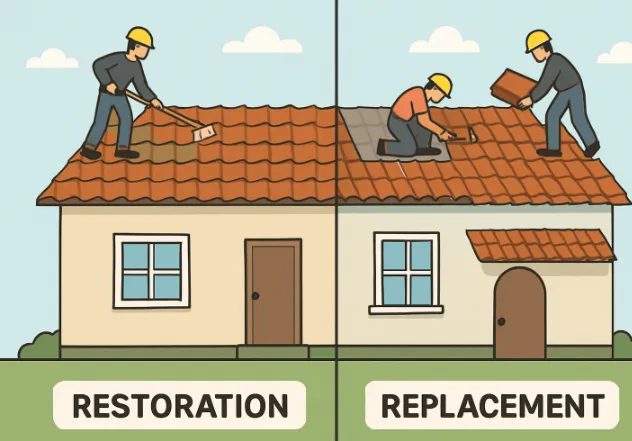
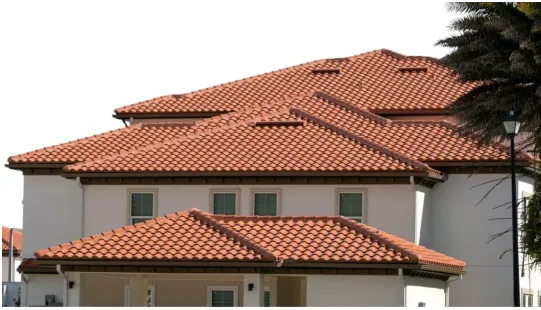
Tile roofing systems—clay or concrete—hug the coastline well because they are heavy, wind‑resistant and long‑lasting when installed correctly. But the hidden parts—underlayment, flashing, fasteners—must be appropriate for the environment. Corrosion‑resistant materials, upgraded flashings, high‑wind rated clips, proper drainage around roof penetrations and vegetation control all contribute.
For homes considering installation or replacement, selecting materials designed for salt‑air exposure, high humidity and frequent wind loading pays dividends. Professional maintenance then preserves that investment. Without the right foundation, even premium tiles can underperform.
Protect Your Sarasota Home from the Florida Climate
If you own a home in Sarasota, your roof is far more than a passive shield—it’s under constant assault from sun, moisture, salt, wind and debris. Maintenance isn’t just a good idea; it’s a necessity. Regular inspections, professional upkeep and the right materials are the keys to preserving your home’s protection, avoiding hidden damage and extending the life of your roof.
If you haven’t booked a professional roof maintenance check in the past year—or you live near the coast, under tree cover or have noticed subtle signs of wear now is the time to act. Your home’s long‑term safety and value depend on it.
Roof maintenance underpins every other investment you’ve made in your home. Treat it with the attention it deserves.