What to Know Before You Buy a Car Roof Tent
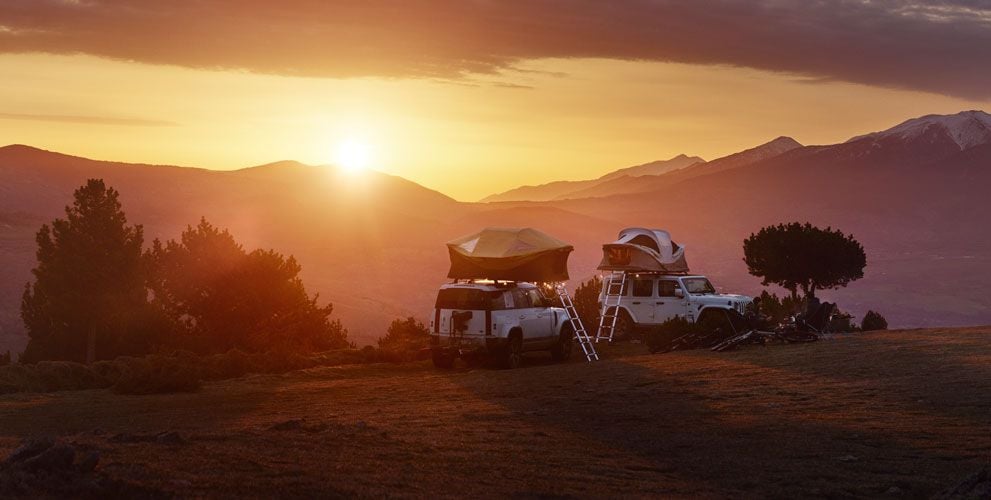
Before you buy car roof tent gear, there’s honestly a bunch of stuff you should figure out first. I see people jump into these purchases based on Instagram photos or YouTube videos, then realize the tent doesn’t fit their actual camping style or vehicle setup. Roof tents are a serious investment, usually between $1,200 and $4,500 depending on brand and features. And once it’s mounted up there, returning it becomes a whole ordeal. So let’s talk about the real considerations that matter beyond just the marketing hype and pretty sunset photos.
Your Vehicle’s Structural Limitations
This is where people mess up most often. You can’t just slap any tent on any car. Start by checking your owner’s manual for the static roof load capacity. That’s how much weight your parked vehicle can support on the roof. Most modern SUVs and trucks handle 500 to 800 pounds static, but sedans and smaller crossovers might only do 300 to 400 pounds. Now add up the tent weight (100 to 180 pounds typically), two adults (300 to 400 pounds), maybe some bedding and gear (another 30 pounds). You see how quickly you hit limits.
Also, look at your roof’s actual surface. Curved roofs or ones with a lot of plastic trim don’t work great with standard mounting systems. Some vehicles need special adapters or reinforcement plates. And if you’ve got a sunroof, check if the tent mounting will block it or put stress on the sunroof structure. I’ve heard of sunroof leaks developing after improper tent installation.
Setup Time and Real-World Usability
Marketing videos show these tents popping open in 30 seconds, which is true for hard shells. But soft shell tents take longer, and in the rain? You’re getting wet while you set up. Think about how you actually camp. If you move locations every night, setup time adds up fast. Some people get annoyed and stop using the tent altogether.
Height matters too. Most roof tents sit 5 to 6 feet off the ground when set up. If you’re not comfortable with ladders or have mobility issues, getting in and out gets old quick. Middle-of-the-night bathroom trips mean climbing down a ladder in the dark. Kids under 5 or 6 usually need help getting up and down safely.
Storage and Aerodynamic Impact
When the tent’s closed, it’s still up there adding 8 to 15 inches to your vehicle height. That means parking garages might be off limits. I learned this the hard way trying to park at a mall. Most garages have 7-foot clearances, and my SUV with tent measured 7 feet 3 inches.
Fuel economy takes a hit too. Studies show roof cargo reduces highway MPG by 5 to 25 percent depending on speed and vehicle type. At $3.50 per gallon, that adds up on long trips. Wind noise is another thing. Some tents are loud at highway speeds, creating a constant whooshing sound that drives passengers crazy.
Budget Beyond the Initial Purchase
The tent price is just the start. You need a roof rack system if you don’t have one already (add $300 to $800). Then there’s the mattress. Some tents include decent ones, others come with foam that’s basically cardboard. Upgrading to a quality 2 to 3 inch memory foam mattress runs $150 to $300. You might want an annex room for gear storage (another $200 to $500), a winter insulation kit ($100 to $200), or a shower attachment ($50 to $150). By the time you’re done, you could be $2,000 over your original budget.