How to Pick the Perfect 16 Inch Kids Bike for Comfort and Safety
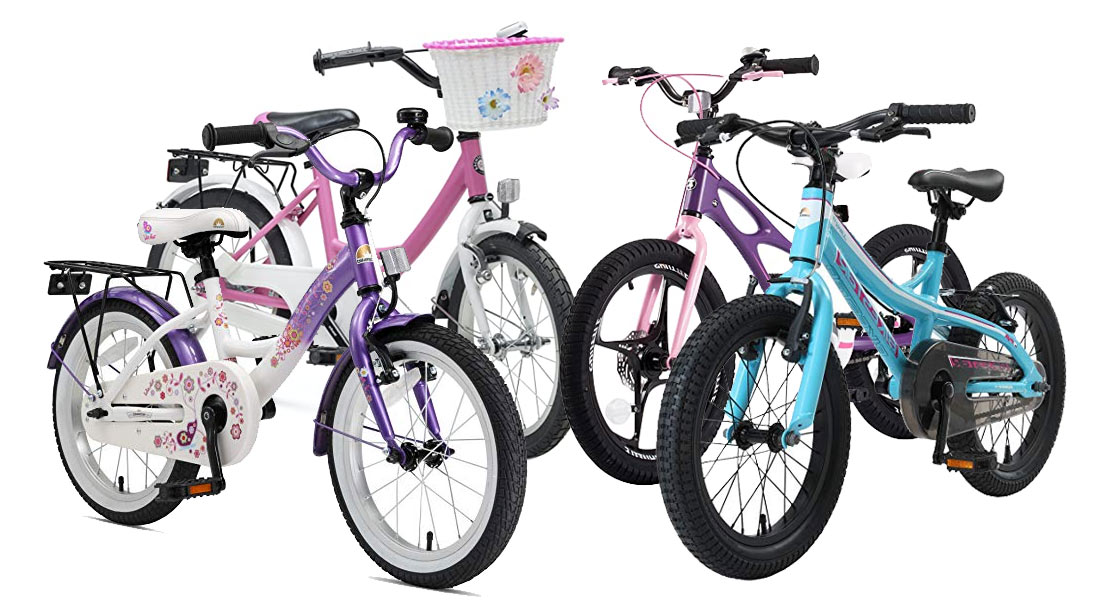
Finding the right 16 inch kids bikes isn’t as simple as just matching the wheel size to your child’s age. I see parents do this all the time and wonder why their kid struggles to ride or loses interest quickly. A 16-inch bike typically works for kids ages 4 to 6, roughly 40 to 48 inches tall, but there’s so much variation in how kids are built. Leg length matters way more than overall height. And then you’ve got frame geometry, weight distribution, brake types, and a bunch of technical stuff that affects whether your kid can actually control the bike safely. Let me break down what actually matters beyond the marketing pictures of smiling kids riding through fields.
Getting the Fit Right Through Measurements
Inseam length is what you need to measure, not just height. Have your kid stand barefoot with their back against a wall, then measure from the floor to their crotch. For a 16-inch bike, you want an inseam between 16 and 22 inches generally. The rule is they should be able to stand over the bike frame with both feet flat on the ground and have at least 1 to 2 inches of clearance between the top tube and their body.
When sitting on the seat at its lowest position, your kid’s leg should have a slight bend (about 5 to 15 degrees) when the pedal is at its lowest point. If their leg is completely straight, they’ll have trouble generating power and the bike is probably too big. If there’s too much bend, they’re not getting efficient pedaling motion and will tire quickly.
Handlebar reach matters too but gets overlooked. When your kid is seated and holding the handlebars, their arms should be slightly bent, not stretched out straight or bunched up. Overreaching causes fatigue and poor steering control. You can usually adjust handlebar height and angle, but reach distance is fixed by frame design.
Frame Weight and Material Considerations
Here’s something that surprises people. Most 16-inch bikes weigh between 18 and 25 pounds, but that’s often 50 percent or more of a young child’s body weight. Imagine riding a bike that weighs half what you do. It’s exhausting and makes learning harder.
Better quality bikes use aluminum frames that weigh 15 to 18 pounds total. The lighter weight makes a massive difference in how quickly kids learn balance and gain confidence. Steel frames are cheaper but heavier (usually 20 to 25 pounds). Some parents think the extra weight makes the bike more stable, but research on motor learning in children shows lighter bikes actually improve balance acquisition because kids can make quicker corrective movements.
Look at the frame geometry too. A lower center of gravity (lower standover height and bottom bracket) makes the bike more stable. The wheelbase (distance between front and rear axles) affects handling. Shorter wheelbases (around 24 to 26 inches for 16-inch bikes) make turning easier but can feel twitchy. Longer wheelbases (27 to 29 inches) provide more stability but require more effort to maneuver.
Brake Systems and Hand Size
This is critical for safety. Coaster brakes (where you pedal backward to stop) are common on cheaper bikes because they’re simple and don’t require hand strength. But they teach bad habits. Kids don’t learn proper braking technique, and coaster brakes can be dangerous on hills because you can’t brake and pedal at the same time.
Hand brakes are better if your kid has sufficient hand strength, which most do by age 4 or 5. The problem is many bikes have brake levers designed for adult hands. Your kid can’t reach them properly or apply enough force. Look for short-reach brake levers specifically sized for small hands (usually adjustable from 1.5 to 2.5 inches from the handlebar).
Some bikes now come with both coaster and hand brakes, which is actually ideal for learning. Kids can rely on the coaster brake while building hand strength and learning to use hand brakes progressively.