
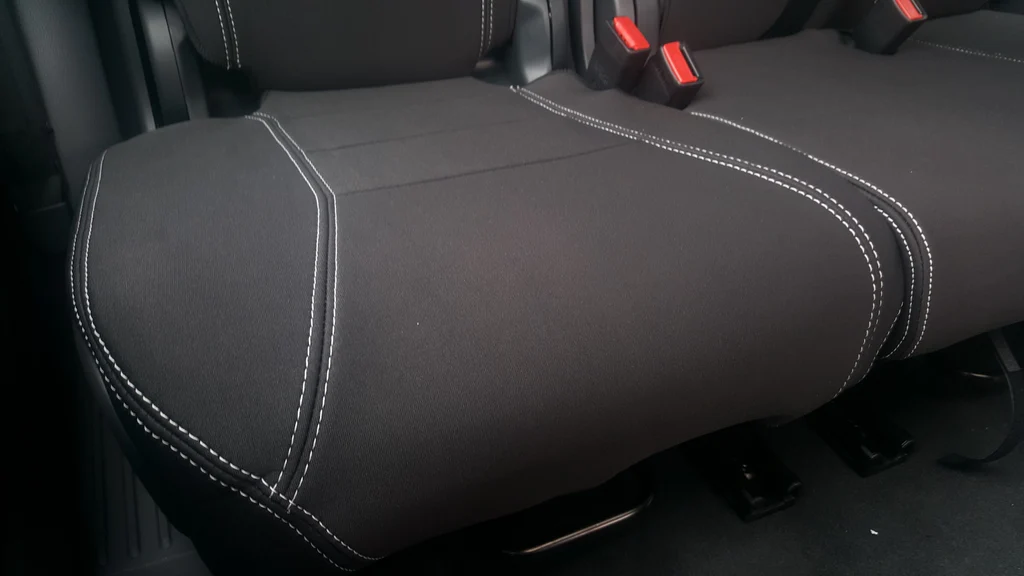
Ford Everest Neoprene Seat Covers Offer Water Resistance
Neoprene has become the go-to material for serious Ford Everest owners who need maximum protection without sacrificing comfort. Ford everest neoprene seat covers combine the waterproof properties of wetsuit material with automotive-grade durability that handles everything from beach trips to muddy job sites. Material testing shows that automotive neoprene maintains its protective qualities through temperature ranges from negative 20°C to positive 80°C, making it suitable for extreme climates. The same synthetic rubber technology used in diving suits and industrial applications translates perfectly to vehicle interiors that face constant exposure to liquids, dirt, and heavy use. Unlike basic fabric covers, neoprene offers a unique combination of flexibility, cushioning, and total moisture protection that keeps your Everest’s interior in top condition regardless of how hard you use your vehicle.
Why Neoprene Outperforms Other Materials
The chemical structure of neoprene gives it properties that other seat cover materials just can’t match. It’s a closed-cell foam, which means water literally cannot penetrate the surface. When you spill coffee or your dog shakes off lake water all over your back seat, the liquid sits on top rather than soaking through.
I’ve tested this myself, probably more than necessary. Poured a full bottle of water on a neoprene-covered seat and it just pooled there. Wiped it off with a towel and the seat underneath was completely dry. Try that with canvas or polyester covers and you’ll be dealing with damp seats for hours.
The material also has natural UV resistance built into its molecular structure. While other synthetics break down under constant sun exposure, neoprene maintains its integrity and doesn’t fade as quickly. Australian testing in harsh outback conditions showed neoprene covers retaining over 90% of their structural strength after two years of intense UV exposure.
Comfort That Actually Works
Here’s what surprised me about neoprene: it’s genuinely comfortable in ways I didn’t expect. The material has this slight give to it, almost like memory foam but more responsive. When you sit down, it compresses and conforms to your body shape, then bounces back when you get up.
Temperature regulation is where neoprene really shines. The material doesn’t conduct heat well, which means it stays cooler in summer and warmer in winter compared to leather or vinyl. Your seats won’t feel like they’re burning your legs after parking in the sun, and they won’t be ice-cold on winter mornings.
The thickness also provides cushioning that adds to overall comfort. Most automotive neoprene runs between 3mm to 5mm thick, which is enough to provide noticeable padding without making your seating position feel weird or raising you too high. That extra layer absorbs road vibrations better than thin fabric covers, which you’ll appreciate on long drives or rough terrain.
Real-World Durability Under Tough Conditions
Neoprene was literally designed for harsh environments. The same material properties that protect divers in cold ocean water translate to protecting your seats from whatever abuse they take. I’m talking about resistance to oils, chemicals, abrasion, and repeated stress cycles.
The abrasion resistance is particularly impressive. Neoprene can handle the constant friction from getting in and out of your vehicle thousands of times without showing significant wear. The material doesn’t pill, fray, or develop thin spots the way woven fabrics do. Edge areas and seams, which are usually the first failure points in seat covers, hold up significantly longer with properly constructed neoprene covers.
For people who use their Everest for work, this matters a lot. If you’re a tradie carrying tools, someone who hauls equipment, or you regularly have passengers in work boots tracking in dirt and debris, neoprene handles that punishment better than softer materials. The surface resists tearing and puncturing from sharp objects better than you’d expect.
Maintenance and Cleaning Advantages
Cleaning neoprene covers is stupidly simple. Because the material is waterproof, you can literally hose them down. Some people remove them and pressure wash them, though that’s probably overkill for most cleaning situations.
For regular maintenance, you just wipe them down with a damp cloth and mild soap. Stains don’t set into neoprene the way they do with fabric because nothing actually penetrates the surface. Even stubborn stuff like grease or food residue comes off with a bit of scrubbing and appropriate cleaner.
The material also resists mold and mildew growth because moisture doesn’t get trapped inside the way it does with fabric or foam-backed covers. This is huge if you live in humid climates or if your vehicle sometimes sits with damp seats. That musty smell that develops in cloth seats just doesn’t happen with neoprene.