Common Causes of Roof Damage in Residential and Commercial Buildings
Roofs are designed to protect buildings from constant exposure to environmental and structural stress, yet damage can develop gradually or appear suddenly, depending on conditions. Residential and commercial roofs face different usage patterns, materials, and design demands, but both are vulnerable to similar sources of deterioration. Weather, age, construction methods, and maintenance habits all influence how long a roof remains reliable. Many forms of roof damage begin unnoticed, spreading beneath surface materials until visible signs appear inside the building. Understanding the most common causes of roof damage helps property owners take preventive steps, recognize early warning signs, and protect both structural integrity and long-term investment value.
Also Read: The Hidden Math of Compensation for Long-Term Loss of Income
Key Factors Behind Roof Deterioration
- Weather Exposure and Environmental Stress
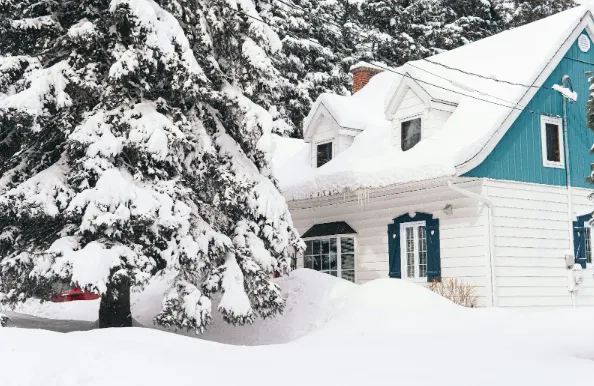
Weather is one of the leading causes of roof damage for both residential and commercial buildings. Constant exposure to sun, rain, snow, wind, and temperature fluctuations gradually weakens roofing materials. Ultraviolet rays can dry out shingles and membranes, causing cracking and loss of flexibility. Heavy rain and snow place stress on drainage systems, increasing the risk of pooling water and moisture intrusion. Strong winds may lift materials, loosen fasteners, or carry debris that impacts the roof surface. Over time, these forces compound, especially in regions with seasonal extremes. Contractors such as AAA Midwest Roofing often encounter damage from prolonged exposure to weather that timely inspections and routine maintenance could have prevented. Weather-related stress is unavoidable, but its impact can be managed when risks are understood early.
- Poor Installation and Construction Errors
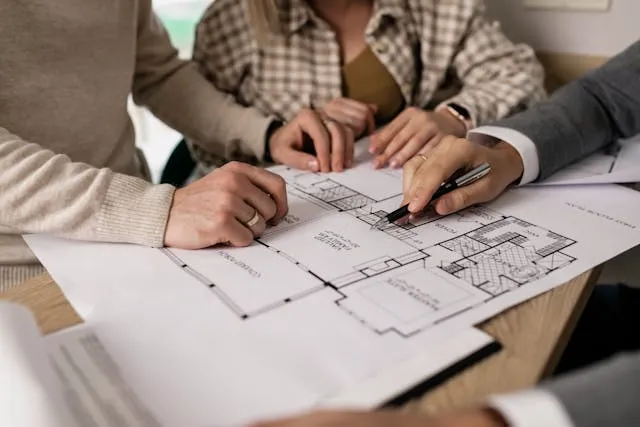
Roof damage often begins with installation errors. Improper material alignment, incorrect fastening, or poorly sealed transitions can leave roofs vulnerable from the start. These issues may not cause immediate leaks, but they weaken the system’s ability to handle environmental stress. In commercial buildings, complex roof layouts increase the risk of installation errors at seams, penetrations, and edges. Residential roofs may suffer from inadequate underlayment or misaligned shingles. Over time, small construction flaws allow moisture and air to penetrate, accelerating deterioration. Installation quality plays a critical role in determining how well a roof performs throughout its lifespan.
- Lack of Routine Maintenance
Neglecting routine maintenance is a major contributor to roof damage in both residential and commercial settings. Debris accumulation, clogged drainage systems, and unnoticed surface wear create conditions that trap moisture. Without periodic inspections, minor issues such as loose flashing or cracked sealant can worsen unnoticed. Commercial roofs are particularly vulnerable due to their size and limited visibility from ground level. Residential roofs also suffer when maintenance is delayed, especially after storms. Regular inspection helps identify issues before they spread, preserving roof performance and preventing interior damage. Maintenance is often less costly than reactive repair, yet it is frequently overlooked until damage becomes obvious.
- Water Drainage and Pooling Issues
Improper water drainage is a common cause of roof damage, especially on flat or low-slope commercial roofs. When water fails to flow away efficiently, it pools on the surface, increasing pressure on seams and membranes. Over time, standing water degrades materials and increases the risk of leaks. Residential roofs can also experience drainage problems when gutters are blocked or slopes are insufficient. Water that repeatedly collects in the same areas accelerates deterioration and promotes mold growth beneath roofing layers. Effective drainage design and upkeep are essential for maintaining roof health.
- Foot Traffic and Mechanical Stress
Commercial roofs often experience foot traffic from maintenance crews, equipment installation, or inspections. Repeated walking on roofing surfaces can compress insulation, damage membranes, and loosen components. Residential roofs may experience similar stress during maintenance or when accessed for unrelated repairs. Roofing materials are not always designed to withstand frequent movement, and improper access increases the risk of punctures or surface wear. Mechanical stress may not be immediately visible, but can compromise protective layers over time. Limiting unnecessary access helps reduce this form of damage.
- Thermal Expansion and Material Fatigue
Temperature changes cause roofing materials to expand and contract. Over time, this movement leads to material fatigue, cracking, and seam separation. Metal roofing systems are particularly susceptible to thermal expansion when not properly designed with movement allowances. Membranes and sealants may also lose elasticity after repeated temperature cycles. Both residential and commercial roofs experience this stress, though larger commercial surfaces often magnify its effects. Material fatigue weakens the roof’s ability to remain watertight and structurally sound, increasing the likelihood of leaks.
- Poor Ventilation and Moisture Buildup
Inadequate ventilation contributes to roof damage by trapping heat and moisture within the building structure. Residential roofs may suffer from attic condensation, leading to rot and mold growth beneath shingles. Commercial buildings can experience similar issues when ventilation systems fail to manage humidity effectively. Moisture buildup weakens wood components, corrodes metal elements, and degrades insulation. Proper airflow supports temperature regulation and moisture control, protecting both roofing materials and underlying structures. Ventilation issues often develop slowly, making them easy to overlook until damage becomes extensive.
- Impact Damage From Debris and Accidents
Falling branches, hail, construction debris, and accidental impacts can cause immediate roof damage. While some impact damage is visible, other forms may be hidden beneath surface layers. Even small punctures can allow moisture to enter, leading to gradual deterioration. Commercial roofs near construction zones or industrial areas may face higher impact risks. Residential roofs are vulnerable during storms or high winds. Prompt assessment after impact events helps identify damage before it spreads.
- Aging Materials and Natural Wear
All roofing materials have a finite lifespan. As materials age, they lose flexibility, strength, and resistance to environmental stress. Shingles may become brittle, membranes may thin, and sealants may dry out. Aging increases susceptibility to cracks, leaks, and detachment. Residential and commercial roofs alike experience natural wear, but the rate varies depending on material quality, climate, and maintenance history. Recognizing the signs of aging allows property owners to plan timely repairs or replacement before widespread failure occurs.
Roof damage in residential and commercial buildings often results from a combination of environmental exposure, construction quality, maintenance habits, and material aging. While some factors, such as weather, are unavoidable, many causes can be managed through awareness and preventive care. Poor installation, drainage issues, moisture buildup, and mechanical stress all contribute to gradual deterioration that worsens when ignored. By understanding these common causes, property owners can take proactive steps to protect their roofs, reduce long-term costs, and preserve structural integrity. Early attention remains the most effective way to extend roof service life and maintain reliable protection.