
The Role of Civil Engineering in Infrastructure Development
Introduction
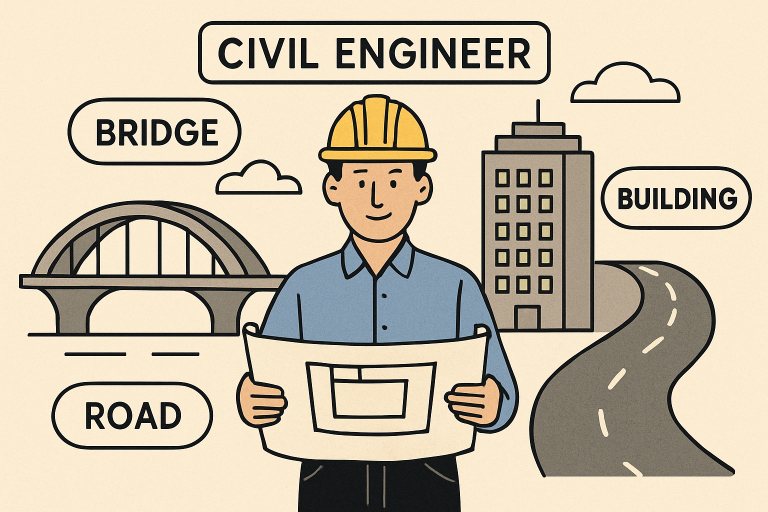
Civil engineering is fundamental to the design, construction, and maintenance of the infrastructure that shapes our communities. From bridges to water treatment plants, the expertise and innovation of civil engineers ensure that societies can thrive in modern, interconnected environments.
Also Read: Ensuring Structural Reliability with Pressure Pipe Fittings and Civil Supply
A reputable civil engineering firm in Washington, DC, can be instrumental in creating efficient transportation systems, durable buildings, and resilient utilities that withstand the test of time.
As urbanization continues, the need for robust and sustainable infrastructure becomes even more pressing. Civil engineering professionals are at the forefront of addressing challenges such as climate change, population growth, and evolving community needs, using cutting-edge technology and creative problem-solving to deliver projects that are both functional and future-proof.
Planning and Design
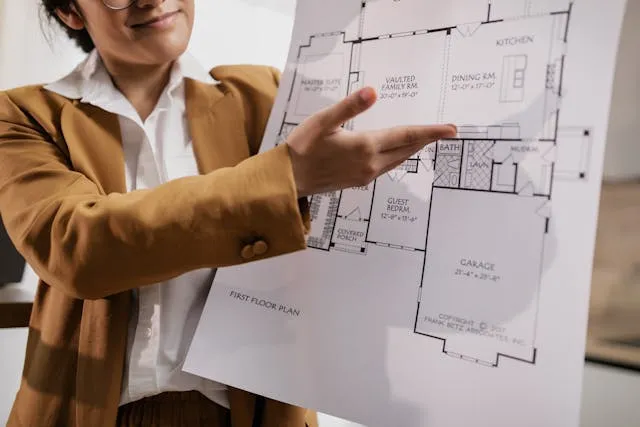
The journey of infrastructure development begins with thorough planning and thoughtful design. Civil engineers must conduct feasibility studies, analyze local geography, anticipate environmental impacts, and forecast population changes to deliver work that will benefit communities for decades. This process is deeply collaborative, often engaging with stakeholders to ensure the final design meets public safety, accessibility, and sustainability standards. According to insights from McKinsey on best-in-class infrastructure planning, excelling in infrastructure development requires not only technical expertise but also a strategic alignment of resources, risk management, and continuous improvement practices.
Modern planning methods use advanced modeling and simulation tools that enable engineers to test different scenarios and optimize designs before construction begins. These digital solutions, paired with a rigorous adherence to regulations and codes, help safeguard against costly revisions and ensure infrastructure is built right the first time.
Construction and Implementation
Transitioning from plans to physical structures, civil engineers rise to the challenge of managing construction projects that might span years and employ hundreds of people. Effective oversight is critical: project managers balance budgets, material procurement, and labor allocation with unwavering attention to deadlines and safety protocols.
Unpredictable weather conditions, unexpected ground conditions, and logistical hurdles require adaptable strategies and clear communication with all stakeholders. Quality control measures—such as onsite testing, regular inspections, and performance monitoring—are implemented at every stage to uphold structural integrity and protect future users.
Maintenance and Rehabilitation
Infrastructure must not only be built to last but also remain functional and safe throughout its lifecycle. Civil engineers conduct routine inspections and deploy maintenance programs tailored to specific structures, whether it’s a city bridge or a stormwater management system. Early identification of wear and tear can prevent costly repairs and minimize disruptions to public services.
When infrastructure ages or is stressed by increased usage, rehabilitation projects leverage new materials and techniques to restore performance, often integrating new technologies to enhance long-term resilience. Proactive upgrades, such as seismic retrofitting or the installation of smart monitoring systems, help infrastructure meet current and future demands. For more on innovative maintenance strategies.
Technological Innovations
Transformative advances in technology are reshaping civil engineering from the ground up. Building Information Modeling (BIM) has become standard practice, enabling project teams to collaborate through shared digital mock-ups that identify clashes, optimize logistics, and reduce costly mistakes. The use of sustainable materials such as recycled aggregates, permeable pavement, and carbon-neutral concrete contributes to environmentally responsible development.
Additionally, the deployment of smart sensors embedded in roads, bridges, and buildings provides real-time data on structural health, enabling predictive maintenance, efficient resource allocation, and improved safety. Drone technology and remote monitoring streamline inspections, especially in hard-to-access or hazardous environments, further enhancing the value of technological integration.
Environmental Sustainability
Sustainable civil engineering practices aim to reduce environmental impact by integrating eco-friendly solutions throughout the project lifecycle. This often involves designing energy-efficient buildings, incorporating renewable energy sources, and prioritizing resource conservation. Urban green spaces, rain gardens, and permeable surfaces help manage stormwater naturally, improving local ecosystems while lowering infrastructure strain.
Policies and regulations increasingly mandate that infrastructure meet strict environmental criteria, encouraging the adoption of circular-economy principles—such as reusing demolition materials and designing for easy disassembly. These efforts ensure that large-scale development advances public welfare while protecting natural resources for future generations.
Collaboration and Interdisciplinary Approaches
Successful infrastructure projects demand a collaborative mindset. Civil engineers work closely with urban planners to harmonize development with city growth strategies, while environmental scientists provide critical input on ecological impact. Engaging with policymakers, public health experts, and community leaders ensures that infrastructure aligns with regulations and broader societal goals.
This interdisciplinary approach leverages diverse expertise to overcome complex challenges—whether integrating equitable access to transportation or implementing disaster-resilience measures—ensuring that infrastructure investments serve both present and future needs.
Conclusion
Civil engineering is indispensable for creating infrastructure that upholds quality of life, economic vitality, and environmental stewardship. Through meticulous planning, technological innovation, and interdisciplinary collaboration, civil engineers continue to advance resilient, sustainable, and adaptable built environments worldwide.