Pop Up Food Businesses: Infrastructure Essentials You Miss
The pop-up food scene has exploded across Australia, with mobile eateries generating over $2.3 billion annually according to IBISWorld research. From weekend markets to festival circuits and corporate events, temporary food businesses offer entrepreneurs a lower-risk entry into the culinary industry compared to traditional brick-and-mortar restaurants.
Also Read: Easy Guide to Developing Your Home Fire Safety Strategy
But success in this space depends on more than just great recipes. The infrastructure you choose can make or break your operation, affecting everything from food safety compliance to customer experience and profitability.
Why Traditional Kitchen Rentals Often Fall Short
Many aspiring pop-up operators start by renting commercial kitchen space by the hour. While this works for catering prep, it creates logistical headaches for mobile operations. You’re constantly transporting equipment, ingredients, and finished products between locations. Storage becomes a puzzle, and you’re paying for space you’re not using.
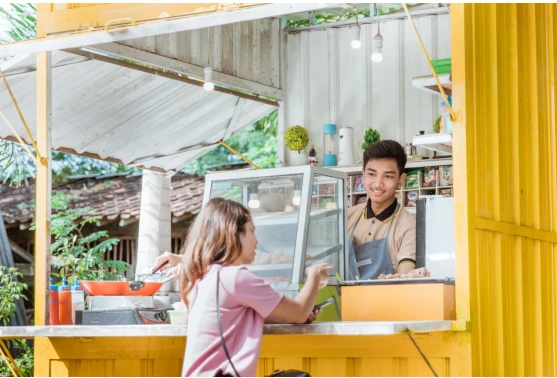
A shipping container kitchen solves these challenges by putting your entire operation on wheels. These purpose-built units include commercial-grade equipment, proper ventilation, food-grade surfaces, and built-in refrigeration. You can park at your venue, open for service, and maintain consistent quality regardless of location.
The upfront cost ranges from $45,000 to $85,000 for a fully fitted unit, but the math works in your favor quickly. Compare that to $3,000-$5,000 monthly for brick-and-mortar rent plus utilities, and the container pays for itself within two years while giving you complete mobility.
What Health Departments Actually Inspect
Food safety regulations vary by state, but inspectors consistently focus on these areas:
Temperature control ranks as the top violation category. Your refrigeration must maintain 5°C or below, with digital monitoring preferred. Freezers need to hit -18°C. If you’re using a container-based setup, ensure backup power options exist for equipment failures.
Water and waste systems must meet potable water standards. You’ll need minimum 40-liter freshwater capacity and equal greywater storage. Some councils require additional handwashing stations separate from food prep sinks.
Ventilation and extraction prevent grease buildup and smoke issues. Commercial canopy hoods with minimum 500 cubic meters per hour extraction capacity are standard requirements. Poor ventilation fails inspections immediately.
Food contact surfaces must be stainless steel or approved food-grade materials. Wood cutting boards are out. Sealed floors and walls prevent pest harboring. Inspectors check corners and joints carefully.
Documentation matters too. You need temperature logs, cleaning schedules, supplier invoices proving food traceability, and staff training records. Keep six months of records readily available.
Storage Solutions That Scale With Your Business
Pop-up operations generate unique storage challenges. You’re dealing with dry goods, refrigerated items, equipment, serving ware, signage, and generator fuel. Everything needs secure, accessible storage between events.
Smart operators separate storage by category and access frequency. Daily-use items stay in the kitchen unit. Backup supplies, seasonal equipment, and business records need separate secure space. This is where container-based storage becomes a practical extension of a mobile food business. Many operators use providers like Instant Sea Containers to secure short- or medium-term storage that can handle fluctuating inventory levels without locking them into long-term warehouse leases.
Orchestrated storage planning prevents the common mistake of overcommitting to space during slower months or scrambling for capacity during peak event season. Following established frameworks for how to plan temporary storage for short-term projects helps operators avoid unnecessary costs while maintaining compliance and operational efficiency.
Climate control becomes critical for certain inventory. Dry goods tolerate temperature swings, but chocolate, dairy products, and some produce require consistent cool storage even in dry form. Premium ingredients justify the added protection of sealed, weather-resistant storage units.
Security features matter more than most operators realise. Theft accounts for 3–7 percent of inventory loss in mobile food operations according to industry surveys. Quality locking systems, well-lit storage areas, and restricted access dramatically reduce risk. Container-based storage offers an added advantage here, as units can be secured, monitored, and positioned close to event locations to limit transport exposure.
Power Requirements Most Beginners Underestimate
Running a commercial kitchen takes serious power. A basic pop-up setup draws 15-30 amps continuously. Add refrigeration, lighting, and point-of-sale systems, and you’re looking at 50-amp service minimum.
Not all venues provide adequate power. Festivals often allocate 15-amp connections per vendor, forcing you to bring generators. A 7-8 kVA generator handles most single-operator setups, but check your equipment specifications. Underpowered generators cause voltage drops that damage refrigeration compressors.
Fuel consumption runs higher than expected. Budget 4-6 liters of diesel per service day for a mid-sized generator running intermittently. Busy weekend events need 15-20 liters. Store approved jerry cans safely away from cooking areas and maintain spill kits.
Solar panels combined with battery systems offer a quieter, more sustainable option gaining popularity. Initial costs run $8,000-$15,000, but eliminate fuel expenses and generator maintenance. The technology works well for daytime operations with moderate power needs.
Permit Navigation: What Takes Longest
Getting legal takes time. Budget 6-12 weeks for full approval, longer if council meetings delay decisions.
Food business registration with your state health department comes first. Applications require floor plans, equipment lists, water source details, and waste disposal methods. Processing takes 2-4 weeks typically.
Development approval from local councils applies when operating from private land or semi-permanent locations. Councils assess traffic impact, noise, operating hours, and neighborhood compatibility. Some areas prohibit mobile food businesses entirely, so research thoroughly before committing to locations.
Fire safety certificates become mandatory when using gas or solid fuel cooking. Licensed inspectors verify equipment installation, clearances, and fire suppression systems. Many operators fail first inspection due to inadequate clearances around cooking equipment.
Public liability insurance isn’t technically a permit but venues won’t let you operate without it. Minimum $10 million coverage is standard. Expect $1,200-$2,500 annually depending on menu risk factors and revenue.
Food handler certifications are required for all staff touching food. Online courses cost $30-40 per person and take 3-4 hours. Renewal cycles vary by state.
Equipment That Actually Gets Used
Resist the urge to over-equip initially. Successful operators build equipment lists around their core menu, adding items only when volume justifies the investment.
Commercial refrigeration is non-negotiable. Under-counter units work for compact spaces. Upright fridges offer better organisation for higher volumes. Always choose stainless steel interiors for hygiene and durability.
Cooking equipment should match your menu exactly. If you’re doing burgers and fries, you need a flat-top griddle and deep fryer. Asian fusion? Invest in high-BTU wok burners. Don’t buy equipment for menu items you might add later.
Prep tables need space for mise en place plus assembly work. Stainless steel with under-shelf storage maximises limited square footage. Height matters for ergonomics during long service hours.
Serving and display equipment varies by concept. Cold food needs sneeze guards and chilled wells. Hot food requires warming cabinets or steam tables. Calculate serving capacity against expected hourly customer volume.
Washing stations get overlooked but create bottlenecks fast. Three-compartment sinks for dishware, separate handwashing stations for staff, and mop sinks for cleaning equipment are all mandatory in most jurisdictions.
Location Strategy: Where Permits Mean Profit
Location selection involves more than foot traffic counts. The regulatory environment varies dramatically between councils.
Market circuits offer established customer bases and simplified permitting. Organisers handle site approvals, and you’re dealing with one agreement covering multiple dates. Competition is higher, but so is vendor support infrastructure.
Private events (weddings, corporate functions, parties) pay premium rates but involve more complex negotiations. Venues often have preferred caterer lists you’ll need to join. Liability requirements typically increase for alcohol service environments.
Street trading in high-traffic areas faces the strictest regulations. Many Australian cities limit mobile food vendors through quota systems or outright bans in CBDs. Where permitted, fees run $100-$500 per day depending on location prestige.
Festival circuits deliver concentrated revenue but demand experience. Major festivals receive hundreds of applications for limited vendor spots. Build your reputation at smaller community events first, documenting customer volume and menu execution.
The Real Costs No One Mentions
Beyond obvious expenses like equipment and permits, several hidden costs catch new operators off guard.
Commissary fees apply even when using your own mobile kitchen. Most states require mobile food businesses to operate from an approved commissary for cleaning and servicing. Fees range from $300-$800 monthly depending on services needed.
Waste disposal at events often charges by bin size. Budget $50-$150 per event day. Grease trap pumping costs another $200-$400 quarterly.
Vehicle maintenance accelerates when towing heavy kitchen units. Brakes, tires, and suspension wear faster. Set aside $2,000-$3,000 annually for the tow vehicle, separate from standard car maintenance.
Menu testing and waste during development phases easily reaches $2,000-$3,000. Factor this into startup budgets rather than operational expenses.
Seasonal slowdowns hit harder than expected. Festival season runs hot September through April in most regions, but winter months drop revenue 50-70%. Cash reserves need to cover 3-4 months of slow business.
Building a Sustainable Operation
Long-term success in pop-up food requires systems thinking, not just culinary skills.
Menu engineering should prioritise items with overlapping ingredients to minimize waste and storage needs. A focused menu of 6-8 items outsells sprawling options in mobile settings. Customers appreciate speed and specialty.
Supplier relationships directly impact margins. Direct accounts with wholesalers save 15-25% compared to retail purchasing. Payment terms improve as you prove reliable volume.
Staff training deserves more investment than most operators provide. Cross-training crew members on all stations prevents service breakdowns when someone calls in sick. Standard operating procedures ensure consistent quality regardless of who’s working.
Customer data collection through loyalty programs or social media builds the asset most valuable for pop-up businesses: a following that travels with you to new locations. Email lists drive 40-60% higher per-event revenue than relying solely on walk-up traffic.
Financial tracking separates hobbyists from professionals. Know your food cost percentage (target 28-32%), labor percentage (25-30%), and break-even point for each event type. Review these weekly.
Making Your First Year Count
The pop-up food industry rewards operators who treat temporary setups as seriously as permanent restaurants. Infrastructure choices in year one determine whether you’re still operating in year five.
Start with equipment and storage that gives you flexibility to test different venues and events. Avoid long-term commitments to locations or suppliers until you’ve proven concept-market fit. Use slower periods to refine systems, not just survive.
The businesses that scale successfully invest in proper infrastructure early, even when it seems excessive for current volume. That shipping container kitchen feels like overkill when you’re doing weekend markets, but it becomes your competitive advantage when festival season hits and you’re the only vendor ready to handle the volume.