Making Events and Worksites Truly Accessible
Around 4.4 million Australians live with disability, representing roughly 18% of the population. Despite this significant number, accessible facilities at outdoor events, construction sites, and temporary venues remain inconsistent at best. The gap between legal requirements and genuine accessibility creates barriers that prevent people from participating fully in work, recreation, and community life.
Also Read: How Modern Roofing Solutions Are Changing Homes
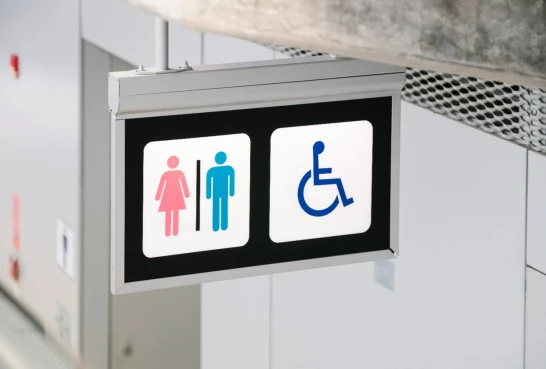
Planning accessible temporary facilities requires more than placing a single unit with a wheelchair symbol on the door. True accessibility considers mobility aids, transfer techniques, personal care needs, and dignity. Getting these details right transforms spaces from technically compliant to genuinely welcoming.
Why Accessibility Goes Beyond Compliance
Australian standards set minimum requirements, but minimum rarely equals adequate. The Disability Discrimination Act 1992 prohibits discrimination based on disability, yet enforcement focuses mainly on permanent structures. Temporary facilities often occupy a gray area where organisers assume basic compliance suffices.
The cost of poor accessibility extends beyond potential legal issues. Events lose attendees when word spreads about inadequate facilities. Construction companies face higher insurance premiums and WorkCover claims when workers lack proper amenities. Festivals and sporting events damage their reputation when accessibility becomes an afterthought rather than a planning priority.
Consider the 2022 Commonwealth Games on the Gold Coast, which received praise for accessibility planning. Organisers consulted disability advocates during the design phase, resulting in facilities that worked for actual users rather than just meeting checklist requirements. Attendance from people with disabilities exceeded projections by 23%, demonstrating how proper planning expands audience reach.
Understanding User Needs in Temporary Facilities
Wheelchair users represent only one segment of people requiring accessible facilities. Mobility impairments vary widely, including those who use walkers, crutches, or walking sticks. Some people have limited hand strength or dexterity. Others manage continence challenges or require assistance from carers.
Temporary facilities must accommodate these diverse needs without creating a separate, stigmatised space. Integration matters. Placing accessible units far from main activity areas or in poorly lit corners sends a message about whose participation matters. Accessible facilities should have equivalent proximity and quality to standard units.
Size specifications tell only part of the story. A disabled portable toilet needs an adequate turning radius for wheelchairs, but also requires sturdy grab rails positioned at correct heights, a basin within reach from the toilet, and emergency call buttons positioned where someone who has fallen can access them. Door width matters less if the door requires excessive force to open or has a high threshold.
Lighting deserves special attention in temporary facilities. Standard portable toilets often have minimal natural light and no electrical lighting. Accessible units need bright, even lighting that helps users with visual impairments while avoiding harsh shadows that disorient people with cognitive disabilities.
Hygiene and Maintenance Standards
Accessible facilities require more frequent servicing than standard units. Higher usage, medical needs, and the physical demands of transfers mean these units need attention beyond the typical twice-weekly service schedule.
Floors must remain completely dry. Water, mud, or cleaning solution creates serious hazards for people using mobility aids. Non-slip surfaces help, but prevention beats remediation. Service providers should check accessible units daily at high-traffic events, addressing spills immediately.
Hand sanitiser placement matters more than most organisers realise. Wall-mounted dispensers positioned for standing users become useless for wheelchair users. Placing sanitiser at multiple heights or providing portable dispensers acknowledges different reach ranges.
Waste bins, paper towel dispensers, and soap systems need similar consideration. A bin requiring a foot pedal excludes wheelchair users. Automatic systems work better, though manual options positioned within reach provide a backup when batteries fail.
Shower Facilities: The Often-Overlooked Accessibility Need
Multi-day events, remote worksites, and emergency situations create showering needs that standard accessible toilets cannot address. Construction projects lasting weeks or months require facilities where workers can clean up after shifts. Music festivals spanning several days need shower options for campers. Disaster relief scenarios demand dignity-preserving hygiene solutions.
Standard shower trailers rarely accommodate wheelchair users or people with limited mobility. Step-up entry, narrow doorways, and fixed showerheads create barriers. Wheelchair accessible shower facilities solve these problems with roll-in designs, adjustable fixtures, and adequate space for assisted showering when needed.
Providers such as Instant Toilets & Showers supply purpose-built accessible toilet and shower solutions designed specifically for events, worksites, and remote locations. Their range includes compliant layouts, reinforced grab rails, level entry points, and service schedules suited to high-use environments, making them a practical option for organisers aiming to meet accessibility expectations without compromising hygiene or reliability.
Temperature control becomes critical in accessible showers. People with reduced sensation from spinal injuries or diabetes face scalding risks from inconsistent water temperature. Thermostatic mixing valves prevent dangerous temperature spikes, while clear temperature indicators help users adjust water safely.
Seating options matter whether users transfer from wheelchairs or need rest during showering. Fixed benches work for some users but limit flexibility. Fold-down seats conserve space while providing support. Padding helps users with reduced tissue tolerance who might develop pressure sores from hard surfaces.
Drainage systems in accessible showers must handle higher water volumes without creating puddles or flooding. Level thresholds that allow wheelchair access also let water escape more easily. Adequate floor slope and drain capacity prevent standing water that creates slip hazards and hygiene concerns.
Site Layout and Placement Considerations
Accessible facilities belong on stable, level ground along accessible paths. Gravel, mud, or uneven surfaces negate the accessibility of even the best-designed units. Hard surfaces like concrete, asphalt, or stable compacted gravel provide suitable foundations.
Proximity to activities matters, but so does privacy. Placing accessible units directly next to main stages or high-traffic areas may seem convenient but creates noise issues and reduces privacy. A balance between accessibility and comfort works best, typically positioning facilities 20-30 meters from main areas with clear, well-lit paths.
Signage must be visible, clear, and placed at multiple heights. International accessibility symbols work, but adding text helps people with cognitive disabilities or those unfamiliar with symbols. Directional signs along pathways prevent the frustration of wandering while searching for facilities.
Weather protection extends accessibility. Covered walkways or nearby shelter allow people to wait comfortably during service periods or when facilities are occupied. Rain, strong sun, or wind affect people with disabilities more severely than many organisers realise, particularly those with temperature regulation issues or who move more slowly.
Real-World Applications and Success Stories
The Splendour in the Grass music festival transformed its accessibility offerings after receiving consistent feedback about inadequate facilities. The 2023 event featured dedicated accessible camping areas with nearby toilet and shower facilities, plus accessible paths connecting all major stages. Attendance from festival-goers with disabilities increased 40% compared to previous years.
Construction company Multiplex reported reduced injury rates after upgrading site facilities on a major Brisbane project. Adding accessible toilets and showers for all workers, not just those with documented disabilities, created a more comfortable work environment. Workers who previously avoided drinking water to reduce toilet use stayed better hydrated. Shower facilities allowed proper cleanup after working with hazardous materials.
Local councils running outdoor community events found that improving accessible facilities increased overall satisfaction scores. When families attending events could use clean, properly maintained accessible facilities regardless of whether they had a disability, the entire event felt more welcoming. Accessible facilities became the preferred choice for parents with young children, people with temporary injuries, and older adults.
Planning Checklist for Accessible Temporary Facilities
Quantity Calculations:
- Minimum one accessible toilet per 50-75 attendees at public events
- Construction sites require one accessible unit per 30 workers
- Multi-day events need accessible shower facilities in addition to toilets
- Consider peak usage times when calculating numbers
Essential Features:
- Interior dimensions minimum 2.3m x 2.3m for wheelchair turning
- Grab rails on both sides of toilet, positioned 700-750mm above floor
- Toilet seat height 460-480mm
- Basin accessible from seated position
- Emergency call button within reach from floor level
- Adequate lighting (natural plus backup electrical)
- Non-slip flooring with level threshold
- Wide-lever taps requiring minimal hand strength
Maintenance Requirements:
- Daily inspection and cleaning for events over 500 people
- Immediate response system for reported issues
- Spare toilet paper, soap, and paper towels stocked
- Regular checks of lighting systems and emergency buttons
- Documented service schedule available to attendees
Location Planning:
- Level, stable ground with hard surface access
- Maximum 50-meter distance from main activity areas
- Clear signage from multiple approach directions
- Weather protection or covered waiting area
- Adequate lighting for evening/night use
- Emergency vehicle access if required
Practical Implementation Steps
Start planning accessible facilities during initial site design, not as an afterthought. Consulting with disability advocates or access consultants early prevents costly redesigns. Many councils offer free accessibility advice for community events.
Request detailed specifications from facility suppliers. Generic “accessible” descriptions hide significant quality variations. Ask about specific dimensions, rail positions, lighting types, and maintenance schedules. Photos help, but site visits to similar installations provide better information.
Train staff and volunteers on accessibility etiquette. Well-meaning helpers sometimes create barriers through misguided assistance. Basic training covers asking before helping, respecting personal space, and understanding that not all disabilities are visible.
Budget adequate funds for accessibility. Quality accessible facilities cost more than standard units, but the investment pays returns through increased participation, reduced liability, and enhanced reputation. Cutting accessibility budgets creates problems that cost far more to fix than proper initial planning.
Moving Forward
Accessible temporary facilities remain underprovided across Australia despite growing awareness of disability inclusion. Changing this situation requires organisers who see accessibility as enhancing events for everyone, not accommodating a small minority.
The business case for accessibility grows stronger as population aging increases the percentage of Australians with mobility limitations. Events, worksites, and public spaces that ignore accessibility needs shrink their potential audience and workforce. Those that embrace inclusive design position themselves for demographic changes already underway.
Quality accessible facilities demonstrate respect for all participants. Whether at a construction site, music festival, or community fair, proper facilities send a clear message: everyone belongs here, and their dignity matters. That message transforms spaces from merely compliant to genuinely welcoming.