How Weather Conditions Affect Roof Longevity
Homeowners face an ongoing challenge in maintaining their roof’s longevity. Weather conditions, from scorching sunlight to harsh winter storms, directly influence how well roofing materials stand the test of time.
Also Read: Top 5 Roofing Certifications Every Professional About 2026
A clear understanding of these impacts can help protect a home and avoid costly repairs. For those seeking expert advice or service, SureBuild Roofing offers solutions tailored to specific climate concerns and roof types.
Roofs serve as the first line of defense against the elements, but every shingle and seam is tested daily by environmental changes. Sun exposure, rain, snow, and wind each present unique threats. Understanding how these conditions interact with roofing materials helps homeowners make informed decisions about maintenance, repairs, and replacements.
Temperature Fluctuations and Their Impact
Roofing materials are designed to withstand environmental stress, but persistent temperature swings challenge their durability. In regions with hot summers and cold winters, such as the American Midwest and the South, materials like asphalt shingles expand, then contract as temperatures fall. Over time, this repeated movement creates cracks, warped areas, and weak points that let moisture seep in. If left unchecked, these vulnerabilities accelerate deterioration and shorten the lifespan of the entire roof system. According to Forbes Home, regular inspection helps catch issues before they escalate.
Sun Exposure and UV Radiation
Even the toughest roofing materials are at risk from relentless sun and ultraviolet (UV) exposure. While newer products often include UV-resistant compounds, sunlight gradually fades, dries, and weakens shingles, tiles, and coatings. In particular, asphalt and wood-shake roofs may become brittle or crack, making them more vulnerable to leaks during storms. Reflective coatings, specialized granules, or alternative roofing options can mitigate these effects in sunny climates. Preventative measures are especially valuable for homes in high-altitude areas, where UV intensity is higher.
Heavy Rainfall and Moisture Infiltration
Heavy rain puts significant stress on roofs, especially over time. Water wears away protective coatings and, when allowed to linger, can penetrate tiny cracks and seams. Once beneath the surface, moisture fosters mold and mildew, which threaten the underlying wood structure and insulation. This not only affects indoor air quality but also weakens the overall roof support. Maintaining gutters, downspouts, and flashing is crucial in minimizing rainwater infiltration and protecting roof longevity.
Snow and Ice Accumulation
In colder regions, snow and ice build-up can be as destructive as rain. These conditions can add tremendous weight, causing stress on beams and rafters. The formation of ice dams, which occurs when melting snow refreezes at the roof’s eaves, can force water up and under shingles. This leads to leaks and eventually to water damage in the attic or the ceiling. Homeowners are encouraged to keep attics properly insulated and ventilated to help mitigate ice dam risks.
Strong Winds and Storm Damage
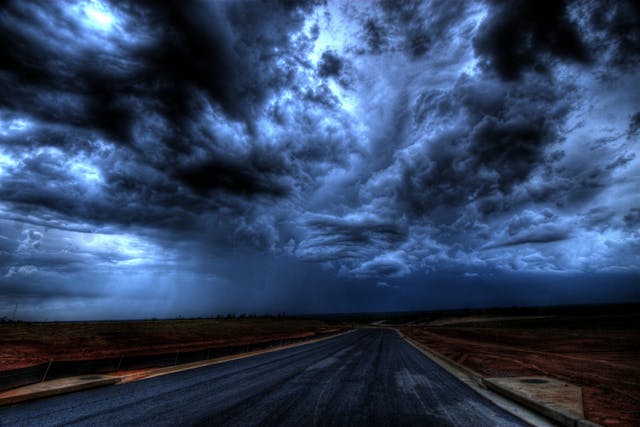
Storms, especially those accompanied by strong winds, can lift, loosen, or completely remove shingles. Even a few missing shingles can expose underlayment and decking to water damage, rot, and pests. In severe-weather areas, impact-resistant materials and reinforced installation methods may provide crucial protection. After any major storm, a thorough inspection identifies and addresses potential vulnerabilities before they escalate into more extensive repairs.
Humidity and Mold Growth
High humidity provides the perfect environment for mold, mildew, and algae to thrive. These invaders can damage not just the visible roofing material but also undermine the wood decking, leading to rot. Poor attic ventilation and clogged gutters or downspouts exacerbate this problem by allowing moisture to linger. Homeowners in humid climates should schedule regular roof cleanings and ensure proper airflow in their attics.
Protective Measures and Maintenance
Proactive Roof Care
Staying ahead of weather damage begins with a proactive maintenance routine. Regular professional inspections catch small issues early, such as cracked or curling shingles, clogged gutters, or loosening flashing. This limits exposure to further damage and can prevent unexpected expenses.
Climate-Specific Roofing Choices
Choosing the right roofing material for your local conditions lays the foundation for longevity. For example, metal roofing stands up well to hail, wind, and snow, while clay or slate may be preferable for hot, dry climates. Matching materials and construction methods to the environment ensures better resistance to weather extremes.
General Best Practices
- Clean gutters and downspouts regularly to prevent water back-up.
- Trim trees and remove debris after storms.
- Ensure adequate attic insulation and ventilation to control temperature and humidity levels.
- Schedule a professional roof inspection after major storms or at least once a year.
Taking these steps helps extend the serviceable life of any roof, giving homeowners peace of mind, regardless of the season or climate challenges.