
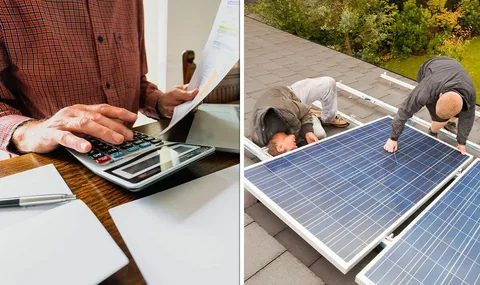
Solar Panels Save More Than Just Electricity Bills
Most homeowners considering solar panels focus exclusively on one question: how much will this reduce my monthly electric bill? It’s a reasonable starting point, but it misses the bigger financial picture. Solar installations deliver cost savings and benefits that extend well beyond the utility meter, affecting everything from roof maintenance to property taxes to equipment longevity.
The hidden financial advantages often surprise homeowners after installation. These secondary benefits compound over time, creating value that far exceeds initial projections based solely on electricity savings. Companies offering professional solar installation work with homeowners to maximize not just energy savings, but the full spectrum of financial advantages solar systems provide throughout their operational lifespan.
Roof Protection & Extended Lifespan
Solar panels function as a protective shield for the roof sections they cover, absorbing direct UV radiation, hail, and weather that would otherwise degrade roofing materials. This protection extends roof life considerably, particularly in regions with intense sun exposure or frequent severe weather.
Asphalt shingle roofs typically require replacement every fifteen to twenty-five years depending on quality and climate. The portion covered by solar panels experiences significantly less wear, potentially adding years to service life. This delayed replacement timeline saves thousands in deferred capital expenditure. When roof work eventually becomes necessary, many homeowners discover covered sections remain in better condition than exposed areas.
Beyond longevity, panels reduce thermal cycling damage. Roofs expand and contract with temperature changes throughout the day. Solar panels moderate these temperature swings by blocking direct sunlight during peak heat hours, reducing the stress that causes shingles to crack, curl, and fail prematurely.
HVAC Load Reduction & Lower Cooling Costs
Solar panels don’t just generate electricity. They also reduce heat transfer into your attic space. The gap between panels and roof surface creates a thermal buffer that keeps attic temperatures lower during summer months.
Lower attic temperatures translate directly into reduced air conditioning costs. HVAC systems work less to maintain comfortable interior temperatures when the space above isn’t radiating stored heat downward through ceilings. This effect proves particularly valuable in second-floor bedrooms and upper-level living spaces that typically run warmer than ground floors.
The cooling benefit compounds with panel-generated electricity. Not only does your air conditioner run less frequently due to reduced heat gain, but when it does operate, it’s powered partly or entirely by solar electricity. Equipment longevity improves as well, with air conditioners cycling less frequently and experiencing reduced wear on compressors, fans, and controls.
Grid Independence During Power Outages
For homes equipped with battery storage systems, solar panels provide backup power during grid outages. This capability eliminates several costs homeowners don’t consider until they experience extended power loss.
Spoiled food from prolonged refrigerator and freezer outages can easily cost hundreds of dollars. Battery-backed solar systems keep refrigeration running, protecting grocery investments and preventing waste. They also maintain home security systems, preventing potential losses from disabled alarms during outages.
The comfort factor carries financial value too. Homes maintaining power during neighborhood outages avoid hotel costs that families with medical needs or young children might otherwise incur during extended summer outages. The growing number of people working from home benefit from solar battery systems preventing lost income from missed work, maintaining internet connectivity and powering essential equipment when neighbors lose productivity.
Property Tax Benefits & Incentives by State
Many states exclude solar panel value from property tax assessments, meaning your home’s market value increases without triggering higher annual taxes. This allows you to build equity while keeping tax obligations unchanged.
Federal tax credits and various state-level incentives can significantly reduce installation costs. These financial benefits vary by location, so checking what’s available in your area helps maximize returns. Some programs offer upfront rebates while others provide ongoing payments for energy production.
The Complete Financial Picture
Electricity bill savings represent just one component of total financial benefit. Roof protection, HVAC efficiency, tax advantages, and backup power capabilities combine to create returns that substantially exceed simple utility savings calculations.
Evaluating solar purely on monthly electric bill reduction misses these compounding advantages. A comprehensive analysis accounting for roof longevity, cooling cost reductions, tax benefits, and energy independence reveals why solar installations often deliver better returns than homeowners initially expect. The question shifts from whether solar saves money to understanding the multiple ways it reduces household expenses while building long-term home value and providing resilience against utility price increases and grid disruptions.