Urban Waste in Dense Streets Is Creating Pest Problems
In many dense urban streets, the situation is familiar. Shared bins overflow before collection day, waste bags are left beside footpaths, and communal disposal areas are constantly in use. Even when residents maintain clean homes, pest sightings continue. Rats move between buildings at night, cockroaches appear in kitchens, and flies gather around entryways.
This disconnect is frustrating. People take care of their indoor hygiene, yet still deal with infestations. The problem often lies outside individual control. Waste systems, shared spaces, and building conditions all contribute to the issue. This is where solutions like a pest control service Sydney become necessary, as the problem extends beyond a single household and is shaped by the surrounding environment.
Why Dense Urban Areas Attract Persistent Pest Activity
Urban environments naturally create ideal conditions for pests. High population density leads to continuous waste generation, often concentrated in limited spaces. Unlike suburban areas, city buildings rely on shared disposal zones, where multiple households or businesses use the same bins.
This constant availability of food waste attracts pests and encourages them to remain in the area. Buildings in dense areas are also closely connected, allowing pests to move easily between properties through walls, pipes, and ceilings.
Urban heat also plays a role. Surfaces like concrete and asphalt retain warmth, creating a stable environment where pests can stay active for longer periods. These combined factors make pest problems persistent rather than occasional.
How Waste Systems Contribute to Infestations
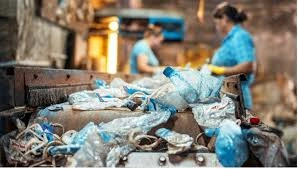
Waste systems in dense areas are designed for convenience, but not always for pest prevention. Shared bins often fill quickly, leading to overflow. When waste is left exposed, it becomes an immediate food source for pests.
Inconsistent collection schedules worsen the situation. Waste that remains in place for extended periods begins to break down, producing odours that attract rodents and insects. Poorly maintained bins, such as those with broken lids or gaps, make it easier for pests to access food.
These conditions create a cycle. Waste attracts pests, pests establish themselves nearby, and infestations continue to grow. Addressing this requires more than basic cleaning. It requires coordinated waste management and professional intervention.
Why Individual Efforts Are Not Enough
Many residents assume that keeping their homes clean should prevent pest problems. In dense urban settings, this is not always effective. Pests do not depend on a single source of food or shelter.
Even if one household maintains strict hygiene, nearby waste areas or neighbouring properties may still attract pests. These pests then move into surrounding spaces, including clean homes. This is why infestations often appear even when residents are doing everything correctly.
Because the source of the problem is external, individual efforts alone cannot fully resolve it. A broader approach, including a pest control service in Sydney, is often required to address the issue at its root.
The Role of Building Conditions in Pest Spread
The structure and condition of buildings play a major role in how pests spread. Small gaps in walls, damaged seals, and poorly maintained drainage systems create entry points for pests.
Moisture is another key factor. Leaks, condensation, and poor ventilation create damp environments that attract pests such as cockroaches and rodents. These conditions also make it easier for pests to establish nesting areas within buildings.
In high-density housing, shared walls and infrastructure allow pests to travel easily between units. This makes infestations difficult to contain without addressing the building itself. Proper maintenance and structural improvements are essential for long-term pest control.
Public Health Risks Linked to Urban Pest Activity
Pest infestations are not just an inconvenience. They pose real risks to public health. Rodents and insects can carry bacteria and contaminate food preparation areas. Flies, for example, can transfer bacteria from waste to surfaces inside homes.
Cockroaches are known to trigger allergies and respiratory issues, particularly in children. Rodents can damage property and spread disease through contact with contaminated surfaces.
These risks highlight the importance of addressing pest problems promptly. Relying solely on temporary fixes does not eliminate the underlying cause. A consistent and coordinated approach is needed to protect both hygiene and health.
Why Professional Pest Control Is Necessary
Urban pest problems require more than occasional cleaning or basic prevention. Professional pest control focuses on identifying the root causes of infestations, including entry points, nesting areas, and environmental factors.
A pest control service Sydney typically involves inspection, targeted treatment, and ongoing monitoring. This approach helps break the cycle of infestation rather than providing temporary relief.
However, treatment alone is not enough. It must be combined with improved waste management and building maintenance. Without addressing these contributing factors, pests are likely to return.
The Importance of Coordinated Urban Management
Effective pest control in dense areas requires cooperation. Residents, property managers, and local councils all play a role in managing waste and maintaining shared spaces.
Sealed bins, regular waste collection, and proper storage practices can significantly reduce pest attraction. Building maintenance, including sealing entry points and improving ventilation, also helps prevent infestations.
When these measures are combined with professional pest control, the results are more sustainable. Addressing the issue at a community level is far more effective than isolated efforts.
Conclusion
Pest problems in dense urban streets are rarely caused by a single household. They are the result of shared waste systems, building conditions, and environmental factors that create ideal conditions for pests.
Even the cleanest homes can experience infestations when external factors are involved. Addressing these problems requires more than individual effort. It involves coordinated waste management, proper building maintenance, and professional intervention.
Using a pest control service in Sydney as part of a broader strategy helps reduce infestations and maintain a healthier living environment. Long-term solutions depend on addressing both the visible problem and the conditions that allow it to persist.
FAQs
1. Why are pests common in dense urban areas?
High population density and constant waste generation create ideal conditions for pests to thrive.
2. Can clean homes still have pest problems?
Yes. Pests often originate from shared waste areas or neighbouring properties.
3. How does waste contribute to infestations?
Food waste provides a reliable food source and breeding ground for pests.
4. What role do building conditions play?
Poor maintenance, gaps, and moisture create entry points and suitable habitats for pests.
5. Why is professional pest control important?
It addresses the root causes of infestations and provides long-term solutions rather than temporary fixes.
6. What is the best way to prevent urban pest problems?
A combination of proper waste management, building maintenance, and regular pest control is most effective.