Why Regular Tree Maintenance Is Essential for Property
Key Takeaways
- Regular tree maintenance enhances curb appeal and can significantly increase property value, making homes more attractive to buyers and tenants.
- Strategic pruning and placement help trees complement your landscape rather than obstruct views or access.
- Consistent care prevents disease, pest infestations, and premature tree decline, reducing long-term costs.
- Healthy soil, proper fertilization, and root care are just as important as trimming for overall tree vitality.
- Well-maintained trees improve energy efficiency by providing shade in summer and wind protection in winter.
- Trees contribute to better air quality and environmental sustainability when kept in good condition.
- Routine inspections and pruning reduce safety risks such as falling branches and storm damage.
- Proper documentation and upkeep can help protect property owners from legal or insurance issues.
- Working with certified arborists ensures trees are maintained correctly and continue to thrive long-term.
- Proactive tree care preserves both the beauty and functionality of your property while avoiding costly emergencies.
Introduction
Trees provide more than beauty to a landscape. They contribute to environmental health, improve energy efficiency, and significantly boost property value. Yet, trees need consistent care to retain these benefits and avoid becoming potential hazards. Homeowners and property managers who invest in professional tree trimming and removal in Utah can better protect their property while preserving its appeal and functionality.
Without regular upkeep, trees may deteriorate due to neglect, spread disease, or grow in ways that endanger buildings or people. Taking an active role in tree maintenance both protects and enhances your property. This article explains the vital reasons and best practices for ongoing tree care, with a focus on safety and increasing your property’s value.
Enhancing Curb Appeal and Marketability
First Impressions Matter
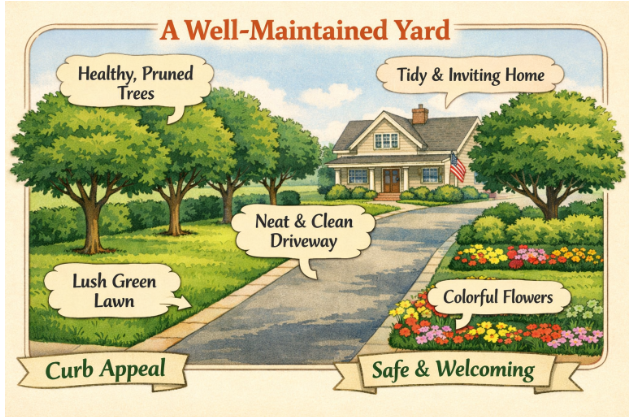
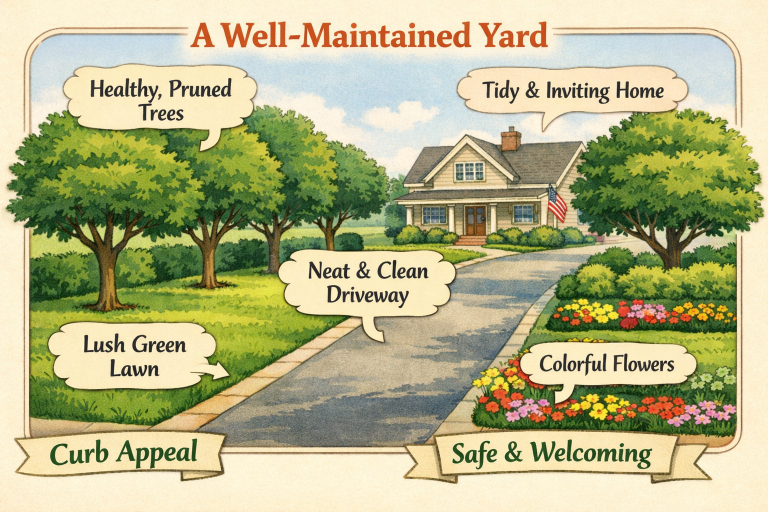
The landscape of your property, especially the trees, creates an immediate impression on anyone who visits or passes by. Well-tended trees suggest a property owner’s commitment to maintenance and detail, which naturally attracts potential buyers or tenants. Studies from the New York Times highlight how mature, healthy trees can elevate real estate value by as much as 15 percent, showing a direct connection between curb appeal and property marketability.
Strategic Tree Placement
Beyond their beauty, strategically placed trees define landscape structure. Trees located near entrances, driveways, or patios create appealing focal points that draw the eye and welcome visitors. Regular pruning ensures that these trees enhance rather than detract from sightlines or access. Ongoing maintenance keeps the overall look open, vibrant, and inviting.
Promoting Tree Health and Longevity
Preventing Disease and Pest Infestations
Just as regular yard work prevents overgrowth, consistent tree care can identify signs of disease or pest activity before they escalate. Infestations can quickly spread, endangering not only the affected tree but also others nearby. Routine inspections, along with early treatments such as pruning infected branches or applying necessary remedies, help protect trees from premature decline and the expense of later removal.
Nutrient Management and Soil Health
Good tree maintenance addresses more than just branches and leaves. Soil quality, mulching, and targeted fertilization foster healthy root development and robust growth. Soil compaction or poor nutrient balance weakens trees, making them more susceptible to weather and pests. By focusing care on what lies below the surface, property owners nurture the strength and appearance of their trees, supporting landscape prosperity.
Increasing Energy Efficiency and Environmental Value
Shade and Climate Control
Properly maintained trees help moderate temperatures around buildings. They offer shade during hot months, reducing indoor cooling costs, and serve as windbreaks in winter, lowering heating needs. Ensuring optimal canopy thickness through pruning maximizes these energy benefits. Energy-efficient landscaping not only saves money but also attracts eco-conscious buyers who value green living.
Air Quality and Carbon Sequestration
Healthy trees improve air quality by filtering pollutants and absorbing carbon dioxide, contributing to a cleaner environment for everyone. Maintenance ensures that trees remain vigorous enough to perform these critical ecological services. A well-kept urban forest signals environmental responsibility, which can further elevate property value in today’s sustainability-focused market.
Safety and Liability Considerations
Reducing Risk of Damage
Neglected trees raise the risk of falling branches or toppled trunks, particularly during storms. This can result in property damage or personal injury. Regular pruning and prompt removal of compromised limbs drastically reduce these dangers. Proactive care often prevents more costly emergencies, preserving both safety and peace of mind.
Legal and Insurance Implications
Property owners may be held liable if poorly maintained trees cause injury or damage. Keeping detailed maintenance records, scheduling professional inspections, and documenting care can demonstrate responsible management to insurers and legal authorities, minimizing exposure to claims or lawsuits.
Best Practices for Effective Tree Maintenance
Regular Inspection and Pruning
It is essential to schedule annual or biannual inspections with certified arborists who recognize early indications of health or structural issues. Pruning should be methodical, focusing on removing dead or weak branches while shaping growth. Proper technique ensures trees thrive and develop strength, whereas haphazard trimming risks long-term damage.
Soil and Root Care
Effective tree maintenance includes periodic assessment of soil conditions, strategic use of organic mulch, and responsible watering practices. Protecting root systems from construction projects, vehicle traffic, or careless planting helps maintain tree stability and longevity. Investing in these practices upholds the integrity of your landscape and prevents costly repairs to adjacent infrastructure.
Final Thoughts
Regular tree maintenance offers substantial advantages for anyone invested in property value, environmental stewardship, and safety. Through attentive care, you can ensure trees enhance your landscape rather than detract from it. Staying proactive protects your assets and demonstrates a commitment to sustainable, responsible property management in the long term.