Choosing Right Insulation Vacuum Bags for Clean Jobs
Efficient cleanup is a critical part of any insulation project, whether you’re working in residential attics or large commercial spaces. The right tools not only save time but also improve safety and overall results. Among these tools, vacuum systems play a major role, and selecting the right accessories can make a significant difference.
Also Read: Are Products on Vicorpus Tested and Verified for Quality?
When it comes to optimizing your equipment, insulation vacuum bags are an essential component. These bags are specifically designed to handle debris like fiberglass, cellulose, and other insulation materials, ensuring smooth disposal and minimal mess during cleanup.
Why Insulation Vacuum Bags Matter
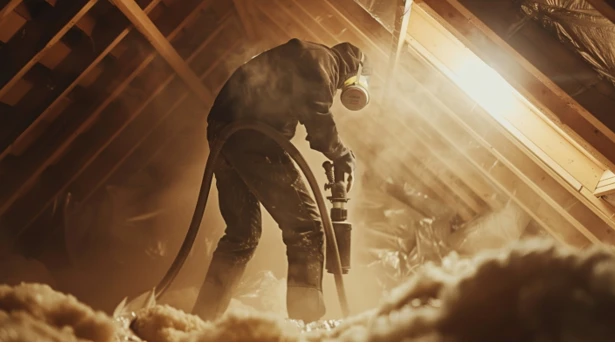
Insulation removal can be messy and hazardous if not handled properly. Dust, debris, and fine particles can spread quickly, posing risks to both workers and the environment. High-quality vacuum bags help contain these materials effectively, reducing airborne particles and simplifying disposal.
Improved Efficiency
Using the right vacuum bags allows for continuous operation without frequent interruptions. Durable bags can hold larger volumes of insulation material, reducing downtime and boosting productivity on the job site.
Better Dust Containment
Properly designed bags prevent leaks and minimize dust escape. This is especially important when dealing with older insulation that may contain contaminants.
Key Features to Look For
Not all vacuum bags are created equal. Choosing the right one requires understanding the features that impact performance and durability.
Material Strength
Look for heavy-duty materials that can withstand sharp debris and heavy loads. Reinforced seams and tear-resistant fabric are essential for preventing breakage during use.
Capacity and Size
Different projects require different bag sizes. Larger bags are ideal for commercial jobs, while smaller ones may be more suitable for tight residential spaces.
Compatibility
Ensure the vacuum bags you choose are compatible with your equipment. Not all bags fit every vacuum system, so checking specifications is crucial.
Types of Insulation Vacuum Bags
There are several types of vacuum bags available, each suited for specific applications.
Disposable Bags
Disposable options are convenient and easy to use. They are ideal for one-time projects or situations where quick cleanup is needed without the hassle of cleaning reusable bags.
Reusable Bags
Reusable vacuum bags are more cost-effective in the long run. Made from durable materials, they can be emptied and reused multiple times, making them a sustainable choice for frequent use.
How to Choose the Best Option
Selecting the right vacuum bag depends on your project requirements and work environment.
Consider the Job Size
For large-scale projects, opt for high-capacity, heavy-duty bags that can handle continuous use. Smaller jobs may benefit from lightweight and disposable options.
Evaluate Durability Needs
If you’re working with dense or abrasive materials, investing in stronger, reinforced bags will prevent costly interruptions.
Balance Cost and Value
While cheaper options may seem appealing, higher-quality bags often provide better performance and longevity, ultimately saving money over time.
Final Thoughts
Choosing the right insulation vacuum bags is essential for efficient and safe cleanup. By focusing on durability, capacity, and compatibility, you can improve workflow and reduce job site hazards. Investing in the right tools ensures smoother operations and better results, making every insulation project more manageable and effective.