Why Skipping Spring AC Maintenance Hurts in August
Every year, it happens around the same time.
A long stretch of hot, humid weather rolls into Naperville, the AC starts running nonstop, and suddenly, homeowners notice something feels off. Maybe the airflow seems weaker than usual. Maybe certain rooms never cool down properly anymore. In some homes, the system stops working entirely during the hottest week of the summer.
Also Read: Best Practices for Commercial Property Management in Texas
What catches many people off guard is that the problem usually did not begin in August.
It started months earlier.
Small maintenance issues that seemed harmless in spring slowly built up under the surface until the air conditioner could no longer handle the pressure of peak summer demand. A clogged filter, dirty condenser coil, weak capacitor, or minor refrigerant issue may not create obvious symptoms in April or May. Once the system begins battling 90-degree temperatures and heavy Illinois humidity, those neglected problems become impossible to ignore.
That is why HVAC technicians are often busiest during late summer. August has a way of exposing every issue homeowners put off earlier in the year.
Spring Is When Most AC Problems Start Developing
Air conditioners rarely fail without warning.
In many cases, the signs begin showing up long before the breakdown itself. The challenge is that homeowners often miss those early signals because the weather still feels manageable in spring.
The system may still cool the home, just not as efficiently as before. Cooling cycles may become slightly longer. Energy bills may creep upward little by little. None of those issues seem urgent until the unit is pushed harder during the hottest part of summer.
Naperville summers can place serious strain on HVAC equipment, especially during stretches of high humidity. Once the system starts running for hours at a time, even small performance issues become magnified.
That is when neglected maintenance catches up with people.
A dirty outdoor condenser coil, for example, may only reduce efficiency slightly during mild temperatures. By August, that same buildup can trap heat inside the system and force the compressor to work much harder than it should. The homeowner suddenly notices the house struggling to stay cool during the afternoon, even though the thermostat keeps running constantly.
At that point, the issue is no longer minor.
Dirty Coils Quietly Reduce Efficiency All Summer Long
One of the biggest maintenance issues technicians find during summer service calls is dirty coils.
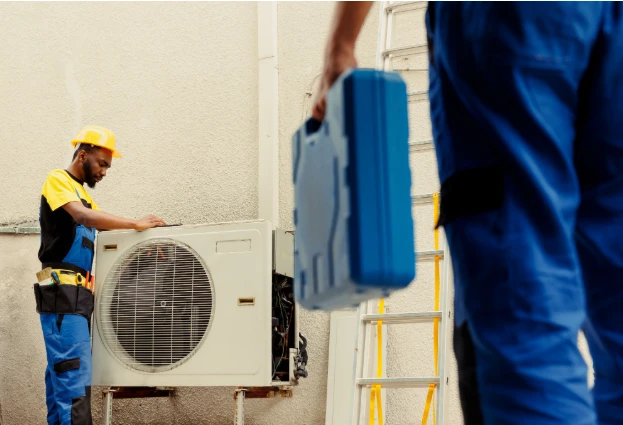
The outdoor condenser unit naturally collects dust, cottonwood, pollen, grass clippings, and debris throughout spring and early summer. Homeowners may rinse the exterior occasionally, but buildup deeper inside the coil often goes unnoticed.
As airflow becomes restricted, the system loses its ability to release heat efficiently.
That leads to longer run times, higher energy use, and additional stress on critical components. Many homeowners do not realize how much extra strain this places on the compressor until the AC begins short cycling or blowing warmer air during extreme heat.
Indoor evaporator coils can create similar problems. Dust accumulation inside the system affects airflow and cooling performance while also contributing to humidity problems inside the home.
In places like Naperville, where summer humidity can become intense, poor airflow creates a noticeable difference in comfort levels. Some homes start feeling sticky indoors even when the AC appears to be running normally.
The equipment may still function, but it is no longer operating efficiently.
Refrigerant Problems Usually Get Worse Over Time
Low refrigerant is another issue that often starts quietly in spring before becoming a major problem later in summer.
An air conditioner with slightly low refrigerant may continue cooling reasonably well during mild temperatures. Once outdoor heat rises, the system struggles to maintain indoor comfort. Cooling cycles become longer, airflow may weaken, and frozen evaporator coils can begin developing inside the unit.
Many homeowners assume refrigerant naturally runs low over time, but that is not actually how the system is designed to work. Refrigerant operates inside a sealed system. If levels are low, there is usually a leak somewhere that needs attention.
Unfortunately, people often ignore the early warning signs because the unit still produces cool air.
By August, the strain becomes much more noticeable.
Longer run times increase operating costs while placing additional pressure on the compressor, which is one of the most expensive parts of the entire AC system. What could have been a manageable repair in spring sometimes turns into a larger service issue by late summer.
Homeowners searching for AC repair in Naperville during August are often dealing with problems that had been developing quietly for months.
Air Filters Cause More Problems Than Most People Expect
Few maintenance tasks get ignored more often than air filter replacement.
Because filters look simple, many homeowners underestimate how heavily they affect the entire HVAC system. Once airflow becomes restricted, the AC has to work much harder to circulate cool air throughout the home.
The effects usually build gradually.
Rooms cool unevenly. Airflow weakens slightly. Utility bills increase. Dust becomes more noticeable indoors. Then, during peak summer temperatures, the system suddenly struggles to keep up at all.
Clogged filters can even contribute to frozen evaporator coils because restricted airflow prevents proper heat exchange inside the system.
Homes with pets, nearby construction, seasonal allergies, or larger families often need filter changes more frequently than homeowners expect. Yet many systems go months without inspection.
A neglected filter may seem minor, but combined with summer heat and humidity, it often becomes part of a much larger performance problem.
Electrical Components Often Fail During Heat Waves
One reason so many AC systems stop working during August is because extreme heat places additional pressure on aging electrical components.
Capacitors, relays, contactors, and blower motors wear down gradually over time. During spring, those components may continue functioning well enough that homeowners notice nothing unusual. Once the system begins running almost nonstop in peak summer conditions, weaker parts finally give out.
This is why many homeowners experience sudden breakdowns during the hottest weekend of the year.
The failure itself feels abrupt, but the wear had likely been building for quite some time.
Electrical issues are especially frustrating because they often happen without much warning. One day the system seems fine. The next day the thermostat is set to 72, but warm air is coming through the vents.
Late summer also tends to be the busiest season for HVAC service companies throughout the western suburbs. Waiting until the system completely fails can leave homeowners scrambling for emergency appointments during periods of heavy demand.
Preventive maintenance significantly lowers the chances of dealing with that situation in the middle of August.
Older Air Conditioners Need Preventive Maintenance Even More
Older AC systems can still perform reliably, but they usually have less room for neglected maintenance.
As equipment ages, natural wear affects overall efficiency. Motors weaken, coils collect buildup more easily, electrical connections loosen, and airflow problems become harder for the system to overcome.
That does not automatically mean replacement is necessary.
Many older units continue cooling homes effectively for years when they receive consistent service and timely repairs. Problems usually begin when maintenance gets delayed repeatedly and the system is forced to operate under heavy summer demand without inspection.
This becomes especially important for landlords and property managers trying to avoid emergency service calls during tenant occupancy.
A breakdown during a humid August weekend rarely stays a small inconvenience for long.
Rising Energy Bills Usually Point to an Efficiency Problem
Homeowners often notice higher electric bills before they notice an actual cooling issue.
When an air conditioner loses efficiency, it simply runs longer to maintain the same indoor temperature. That extra runtime increases energy consumption steadily throughout the summer.
People sometimes blame utility rate increases alone, but HVAC inefficiency is frequently part of the problem.
Dirty coils, restricted airflow, refrigerant leaks, thermostat issues, and neglected maintenance all force the system to work harder than necessary. The longer those conditions continue, the more expensive cooling the home becomes.
Spring inspections help identify these issues early before they begin affecting both comfort and operating costs during peak cooling season.
Why Preventive Maintenance Matters More Than People Think
Most homeowners do not schedule maintenance because they enjoy HVAC appointments.
They do it to avoid the stress that comes with emergency breakdowns during extreme weather.
A properly maintained air conditioner usually cools more consistently, controls humidity better, and operates more efficiently throughout the summer. Just as importantly, regular inspections help identify small developing problems before they turn into expensive repairs.
That becomes especially valuable during long heat waves when AC systems throughout Naperville are under constant strain.
Once August arrives, neglected maintenance tends to reveal itself quickly.
FAQs About AC Maintenance and Summer Breakdowns
How often should an air conditioner be serviced?
Most HVAC professionals recommend scheduling AC maintenance once per year, ideally during spring before heavy summer usage begins. Annual inspections help identify worn components, airflow problems, refrigerant issues, and efficiency concerns before they become larger repairs.
Why do air conditioners stop working during hot weather?
Extreme summer heat forces air conditioners to run longer and work harder than usual. Existing problems like dirty coils, low refrigerant, clogged filters, or weak electrical components often become worse under heavy demand, leading to breakdowns during heat waves.
Can a dirty air filter damage an AC system?
Yes. Restricted airflow caused by a clogged filter can place additional strain on the blower motor and evaporator coil. In some cases, dirty filters can contribute to frozen coils, poor cooling performance, and increased wear on HVAC components.
Is AC maintenance really worth the cost?
Routine maintenance is usually far less expensive than emergency summer repairs. Preventive service can improve efficiency, reduce wear on major components, extend system lifespan, and help homeowners avoid unexpected breakdowns during peak cooling season.
What are signs an AC system may need repair?
Common warning signs include weak airflow, uneven cooling, unusual noises, rising energy bills, excess indoor humidity, short cycling, or warm air coming from vents. Addressing these issues early often helps prevent larger repairs later.
Should older AC systems still receive regular maintenance?
Absolutely. Older systems often benefit even more from preventive maintenance because aging components experience greater wear over time. Regular inspections can help extend equipment lifespan and reduce the likelihood of mid-summer failures.