Causes of Heating System Failures and How to Prevent Them
Maintaining a warm and comfortable home during the colder months is essential for both safety and peace of mind. However, even the best heating systems can fail unexpectedly, often at the most inconvenient times. Knowing the typical reasons behind these failures and the steps you can take to prevent them makes a significant difference.
Also Read: Why Skipping Spring AC Maintenance Hurts in August
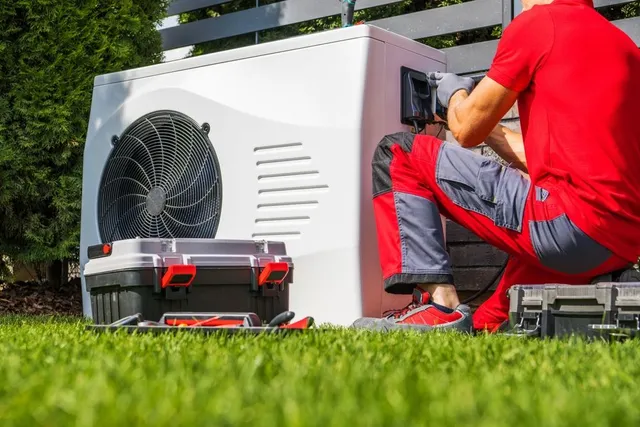
For those who need professional assistance with heating system repair and installation in Katy, regular attention to these issues can help you avoid potential discomfort and costly emergencies. Many heating system problems are preventable with simple routine care and early intervention. By understanding the most frequent causes of breakdowns, homeowners are empowered to keep their heating systems running smoothly and efficiently all season long.
Another important aspect to keep in mind is that proactive measures often cost far less than major repairs or replacements down the line. Homeowners who invest time and effort into maintaining their systems will enjoy more reliable heat and lower energy bills, even during the coldest spells.
Lack of Regular Maintenance
One of the main contributors to heating system malfunctions is neglecting basic upkeep. Skipping routine checkups allows dust, dirt, and debris to build up in the system. Over time, this excess grime can prevent key components from operating as they should, sometimes leading to a complete system shutdown. Routine inspections enable professionals to identify minor issues before they turn into costly problems. According to the U.S. Department of Energy, regular professional maintenance is the best way to keep heating systems working efficiently and extend their lifespan.
Dirty or Clogged Air Filters
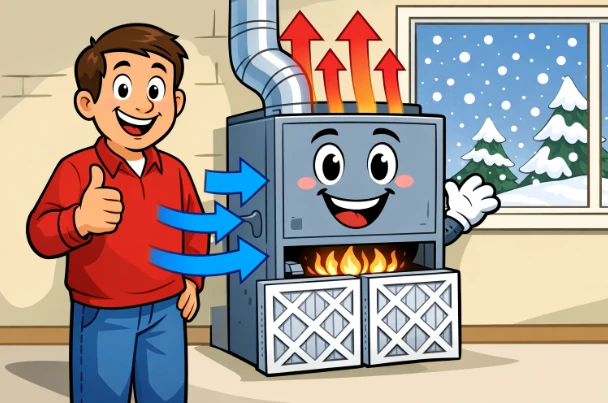
Air filters serve as the first line of defense for most heating systems, keeping dust, pollen, and other contaminants away from internal components. When these filters become dirty or clogged, airflow within the system is restricted. This restricted airflow can cause overheating and force the system’s safety mechanisms to shut it down. Homeowners should check their filters every month and replace them whenever they appear dirty, ideally every one to three months during heavy use seasons.
Thermostat Malfunctions
Thermostats play an essential role in regulating the temperature inside your home. When a thermostat malfunctions or is miscalibrated, the heating system may run more frequently than needed or not at all. Common problems include dead batteries, dusty sensors, or improper placement near drafts or heating vents. Homeowners should ensure their thermostat works accurately and is positioned in an area that best represents the intended room temperature. Upgrading to a programmable or smart thermostat can enhance efficiency and help avoid these malfunctions.
Improper System Sizing
Choosing a heating system that’s either too large or too small for your home can have lasting negative effects. An oversized unit will heat your home quickly but will frequently turn on and off, leading to unnecessary wear and higher utility costs. Conversely, an undersized system will have to work overtime, often running for hours without adequately warming the living space. Consulting with an HVAC professional to perform load calculations during installation is crucial. Proper system sizing not only improves comfort but also prolongs the life of your heating equipment.
Frozen Components
When the temperature outside drops drastically, exposed parts of your heating system, such as condensate lines, can freeze and cause significant damage or system shutdowns. Homeowners should take steps to insulate vulnerable pipes and ensure that outdoor units are adequately protected from wind and ice buildup. Preventing freeze-ups is far more manageable than repairing or replacing components after they have suffered from freezing temperatures.
Electrical Issues
Heating system failures are sometimes the result of electrical problems. Tripped circuit breakers, loose wiring, and worn-out contacts can interrupt the flow of power needed for your system to function. Electrical components degrade over time and must be checked regularly by a qualified technician. Addressing electrical issues early not only prevents total failures but also helps improve overall safety in your home.
Age and Wear
Even well-maintained heating systems have a finite lifespan. As they age, their internal components become more prone to breakdown. Heating systems typically last 15 to 20 years with proper care, but signs such as frequent repairs, uneven heating, or rising utility bills indicate it may be time for an upgrade. Planning for a replacement before the system fails completely can save on both money and inconvenience during the peak winter months.
Preventive Measures
To prolong the efficiency and reliability of your heating system, proactive maintenance is essential. Homeowners can follow these steps to minimize the risk of unexpected breakdowns:
- Schedule professional inspections and tune-ups every year before the heating season begins.
- Replace or clean air filters on a regular schedule.
- Keep the area around the furnace or heater clear of dust, debris, and storage items.
- Ensure that all vents and registers are open and free from obstructions.
- Be attentive to unusual noises or odors coming from the system, as these may indicate underlying problems.
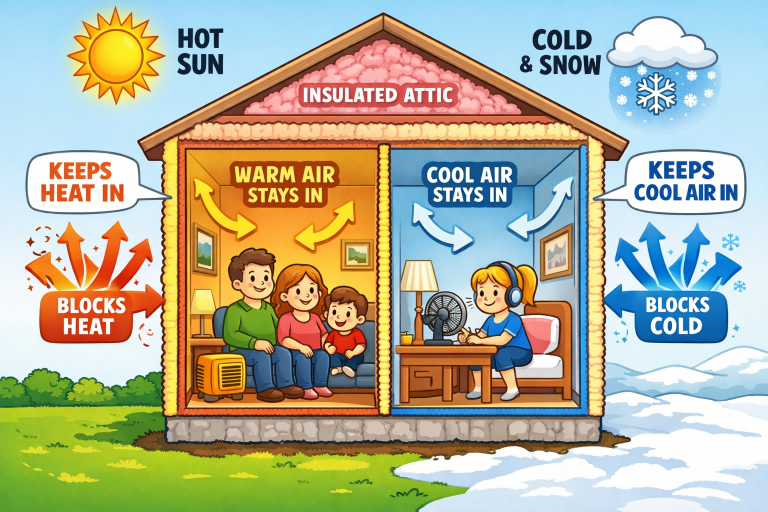
- Check that home insulation is adequate to protect sensitive components from extreme cold.
- Test and calibrate the thermostat at the start of each heating season.
By following these recommendations and staying vigilant with routine care, homeowners can keep their heating systems working efficiently through the harshest weather. When professional help is necessary, timely attention to issues ensures comfort and peace of mind all winter long.