Common Plumbing Problems and Simple Fixes Every Homeowner
Key Takeaways
- Address common plumbing issues quickly to avoid expensive repairs down the road.
- Many fixes are straightforward and manageable for handy homeowners, while some jobs are safer handled by professionals.
- Regular maintenance is key to preventing frequent plumbing headaches and water damage.
Table of Contents
- Dripping Faucets
- Clogged Drains
- Running Toilets
- Low Water Pressure
- Leaky Pipes
- Water Heater Issues
- Garbage Disposal Jams
- Sump Pump Failure
- Conclusion
Plumbing issues can disrupt your household routine and strain your budget if left unaddressed. Most homeowners eventually face problems such as dripping faucets, clogged drains, and leaky pipes. Knowing how to spot and resolve these issues can help you keep your home safe and dry. If you are searching for experienced help, a Kansas City plumbing company can offer professional assistance when problems exceed simple DIY fixes. Preventative care and basic repairs can go a long way toward extending the life of your plumbing system. Attention to routine maintenance and early intervention can help minimize costs while keeping your water flowing smoothly. Whether you enjoy tackling projects yourself or prefer to rely on professional services, understanding the fundamentals ensures your plumbing remains in top condition for years to come.
Dripping Faucets
Dripping faucets are not just an annoyance. Over time, even a slow drip can waste thousands of gallons of water annually and inflate your utility bill. Usually, this issue results from a worn washer or O-ring inside the fixture that no longer forms a tight seal.
Simple Fix:
- Shut off the water supply to the faucet you are repairing.
- Carefully remove the faucet handle to access the faulty washer or O-ring.
- Swap the old part with a new one of the same size and type.
- Reassemble the faucet and turn the water supply back on, checking for leaks.
For step-by-step photographs and extra tips, consult Bob Vila’s guide to fixing leaky faucets.
Clogged Drains
Kitchen and bathroom drains often clog due to hair, soap buildup, or food waste collecting in pipes. Over time, this accumulation slows water flow or blocks it entirely.
Simple Fix:
- Try a plunger to free up the blockage with air pressure.
- For tougher clogs, use a drain snake or auger to clear out obstructions deeper in the pipe.
- Skip harsh chemical drain cleaners, which can cause pipe damage and environmental harm.
Running Toilets
Running toilets can waste as much as 200 gallons of water each day, often due to issues with the flapper valve or the fill tube inside the tank. These parts control how water flows through the toilet and when it shuts off.
Simple Fix:
- Lift the tank lid and inspect the rubber flapper at the bottom of the tank. If it is worn or warped, replace it.
- If water continues flowing after the tank is full, check the fill valve and adjust or replace it as needed.
Low Water Pressure
Low water pressure makes showers and dishwashing less effective and may signal a deeper problem, such as mineral buildup in the pipes, hidden leaks, or general plumbing corrosion.
Simple Fix:
- If only one fixture is affected, remove the aerator and clean out any trapped debris or mineral deposits.
- Soak showerheads in vinegar overnight to loosen and clear away mineral scaling.
- If low pressure is a widespread problem throughout the house, it could point to leaks or pipe corrosion that call for professional diagnosis.
Leaky Pipes
Pipes can start leaking due to aging, corrosion, or physical damage. Addressing leaks quickly is crucial to preventing costly water damage and potential mold growth.
Simple Fix:
- Immediately turn off the main water supply to prevent flooding.
- Apply plumber’s tape or a pipe clamp to the leak as a temporary measure.
- Schedule a professional repair to replace damaged pipe sections for a long-term solution.
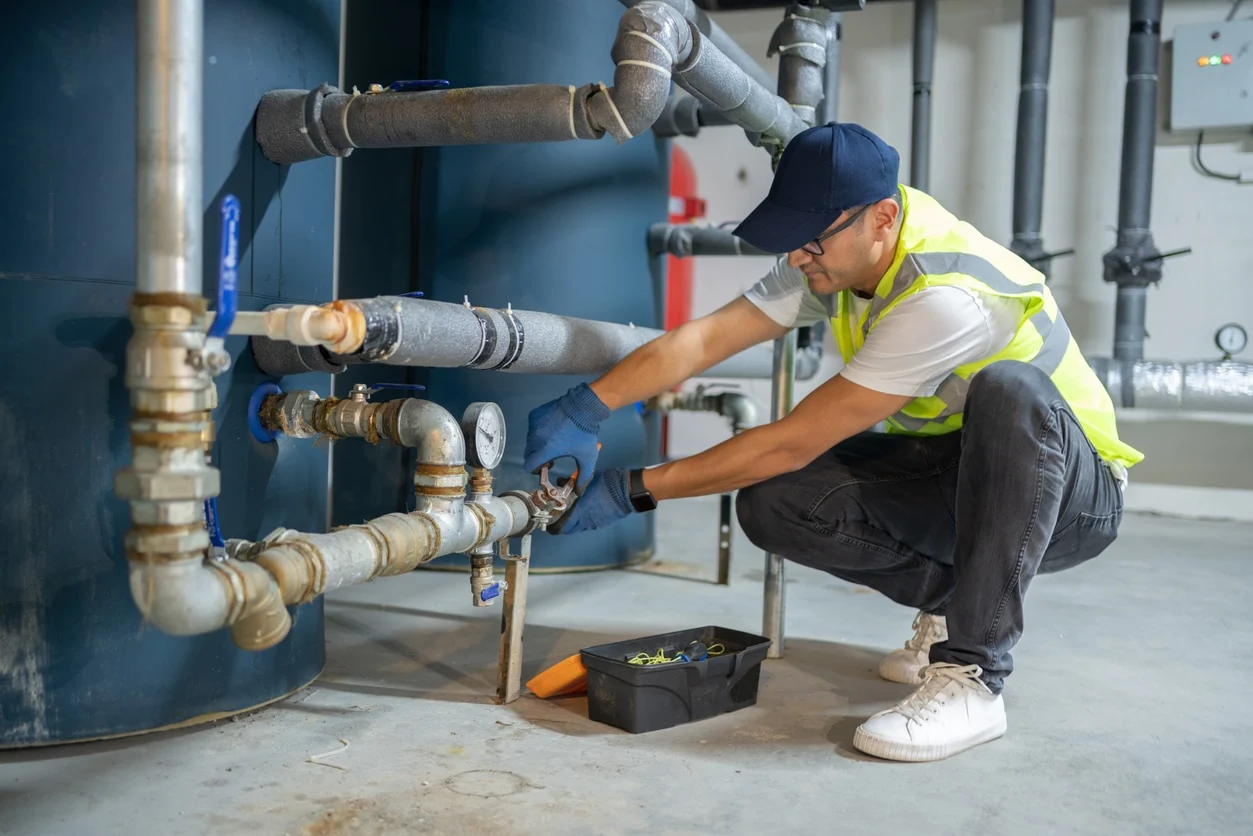
Water Heater Issues
Problems with inconsistent hot water or no hot water at all often stem from sediment buildup inside the tank or a malfunctioning thermostat. Regular maintenance helps reduce the likelihood of these issues and extends the unit’s lifespan.
Simple Fix:
- Periodically flush your water heater to clear sediment from the bottom of the tank.
- Check the thermostat settings and adjust as necessary.
- If the unit continues to perform poorly, consult a licensed plumber to assess heating elements or gas controls.
Garbage Disposal Jams
Garbage disposals can jam if fibrous materials, bones, or non-food objects end up inside. Attempting to run the unit in this state can damage the motor or blades.
Simple Fix:
- Turn off and unplug the disposal to avoid accidents.
- Use an Allen wrench to manually turn the disposer’s motor from below the unit to free the jam.
- Carefully remove any objects blocking the blades with pliers or tongs.
- Once clear, restore power and test the unit.
Sump Pump Failure
A sump pump is designed to prevent basement flooding by removing excess water. Pump failure, especially during heavy rainfall, can quickly result in water damage and costly repairs.
Simple Fix:
- Regularly test your sump pump by pouring water into the basin and ensuring it activates correctly.
- Remove debris from the pit and ensure the float switch moves freely.
- If the pump fails to operate or shows signs of malfunction, contact a professional for repair or replacement to protect your home’s foundation.
Proactively learning about and addressing these common plumbing problems can save you time, money, and frustration as a homeowner. Reliable DIY techniques and reputable resources provide effective solutions, but know your limits and contact a professional if you encounter an unfamiliar or extensive plumbing issue.
Conclusion
Understanding and addressing common plumbing problems early can help prevent costly repairs, water damage, and unnecessary stress. While many issues, such as dripping faucets or clogged drains, can be resolved with basic DIY solutions, regular maintenance and timely professional assistance are essential for keeping your plumbing system running efficiently. By staying proactive and recognizing warning signs early, you can protect your home, conserve water, and ensure long-term plumbing reliability.